
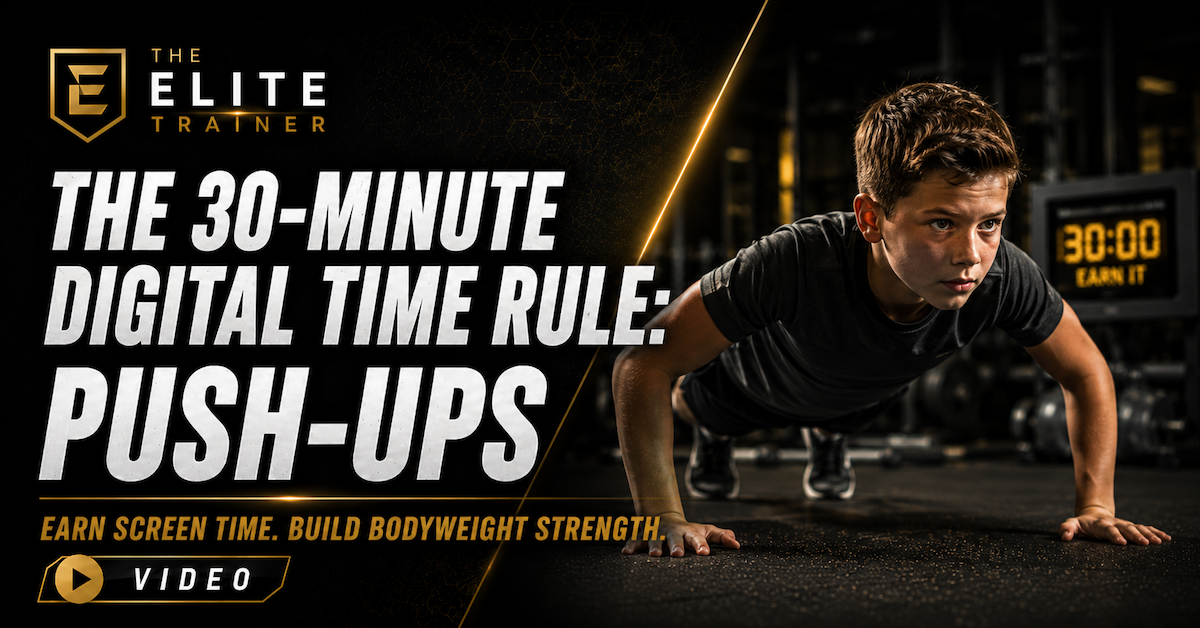
Screen time does not have to mean motionless time. The 30-minute digital rule turns device use into a trigger for push-ups, posture awareness, and regular movement breaks.

Shoulder irritation often persists because lifters keep provoking the same tissues. Stabilizing the scapula and respecting shoulder position can stop the cycle from repeating.
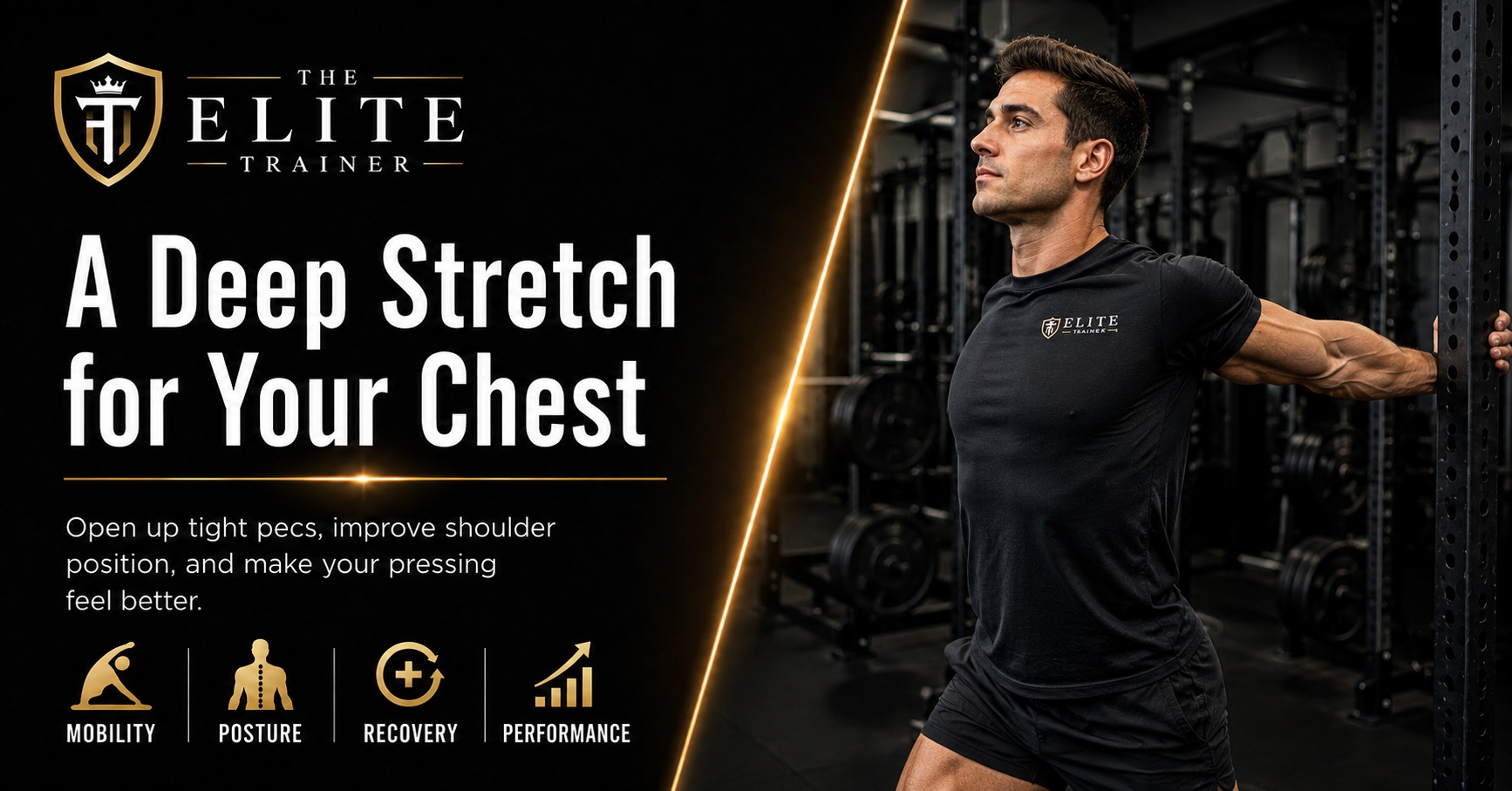
A power-rack chest stretch can hit the pecs harder than the usual doorway version. Bar placement, body position, and loading make the difference.

From warm-ups and deadlifts to posture, sprinting, hormones, and hypertrophy, this research roundup pulls practical takeaways for trainers who like their advice backed by more than gym folklore.
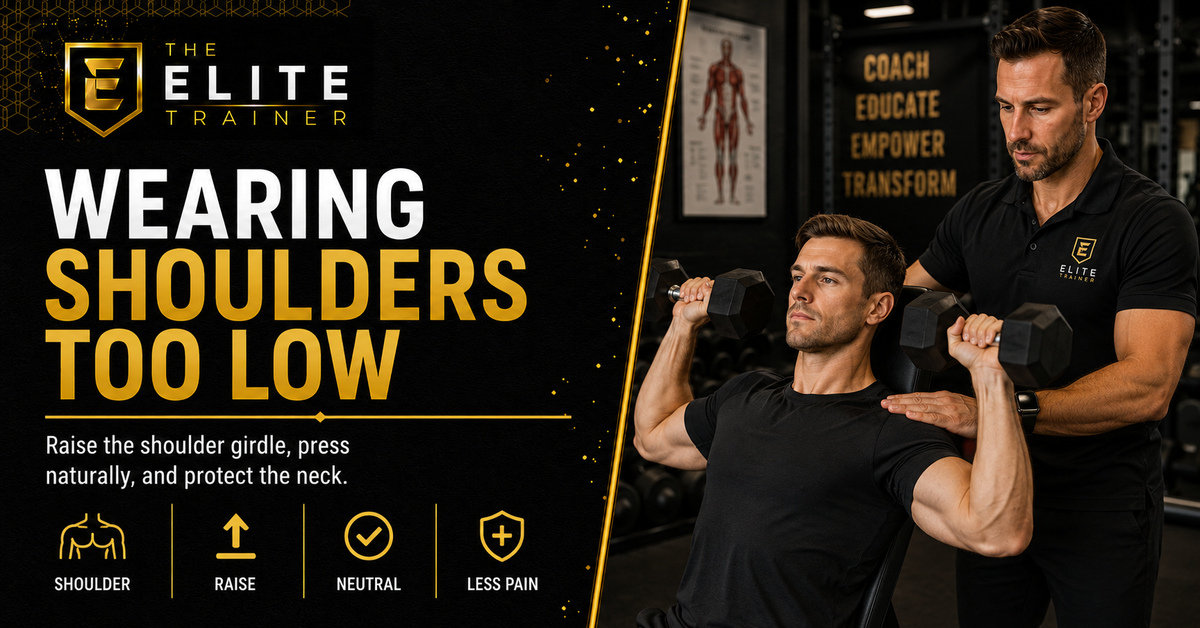
Shoulder position matters more than most lifters think. Drawing from Shirley Sahrmann’s work, the discussion explains how depressed shoulders can affect movement quality and upper-body mechanics.
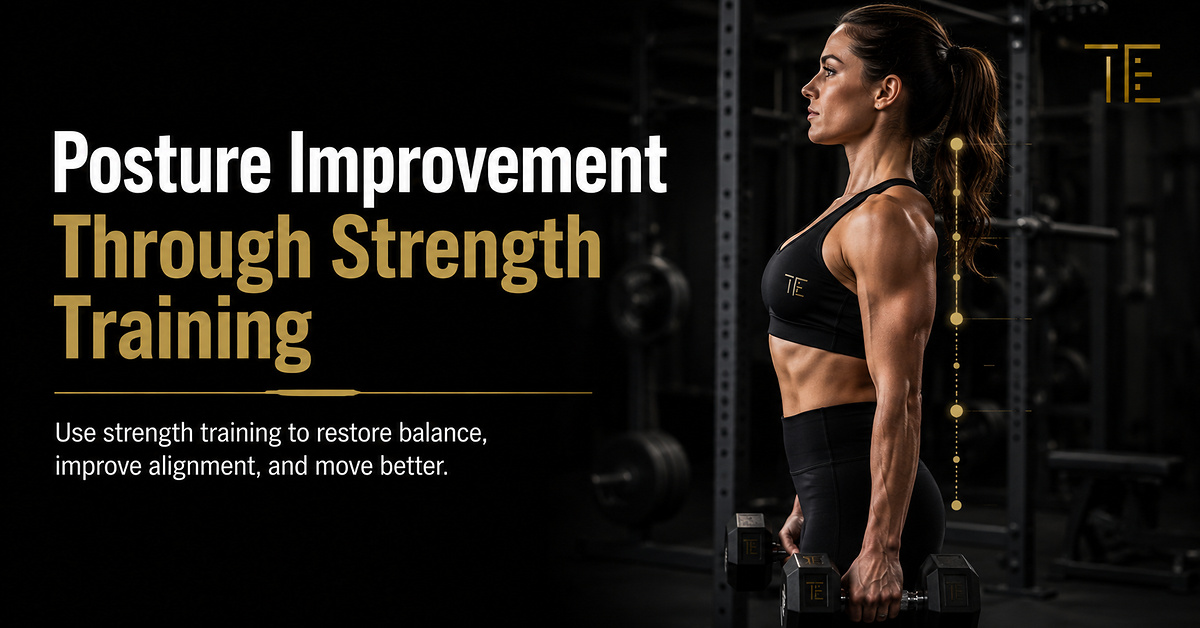
A clear case for improving posture through strength training rather than passive stretching alone. The article connects muscle balance, mobility, kyphosis, lordosis, and full-range lifting to better alignment.

A rowing variation aimed at the upper back, rear delts, and postural muscles instead of just the lats. The seated rope row to neck is presented as a smarter tool for shoulder balance and posture correction.