

Movement, elevation, traction, and heat make the case for a more active recovery model. The METH approach challenges old-school icing habits without turning recovery into complete rest.

RICE has dominated injury advice for decades, but it is not the only way to think about recovery. Movement, circulation, and smarter loading offer a more active path forward.

Injury recovery is rarely solved by sitting still and hoping for the best. Systemic enzymes, circulation, and controlled movement get examined here as part of a more active recovery approach.

Active recovery can change the way mild ankle sprains are handled. A real client example shows how the METH protocol helped restore movement quickly without defaulting to rest and ice.

Rest and ice are not the only options after an injury. The METH method puts movement first and uses active recovery to support a smarter return to function.
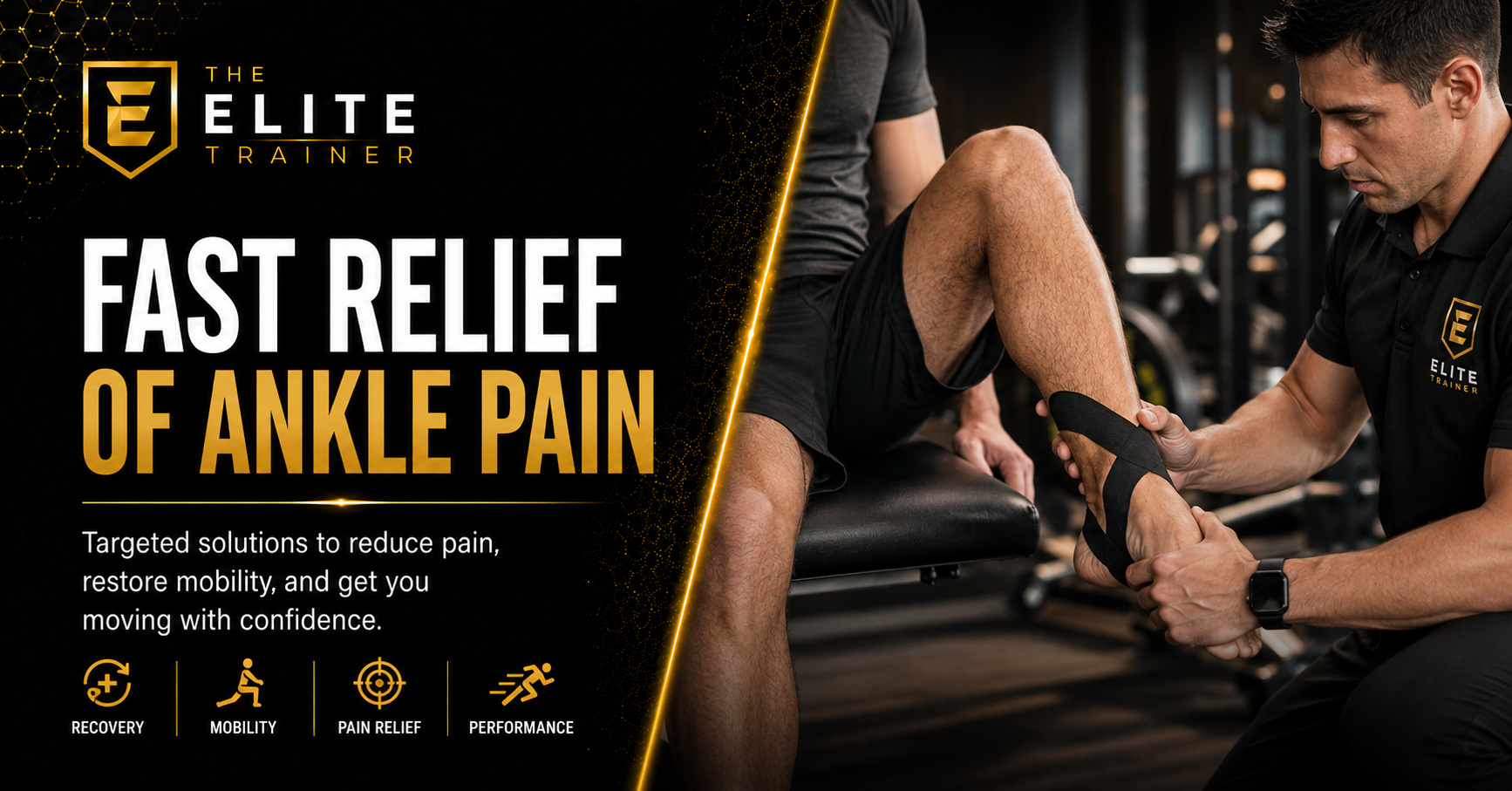
A real-world ankle-pain case showing how movement, circulation, and smart recovery strategies can sometimes beat the standard rest-and-ice routine.
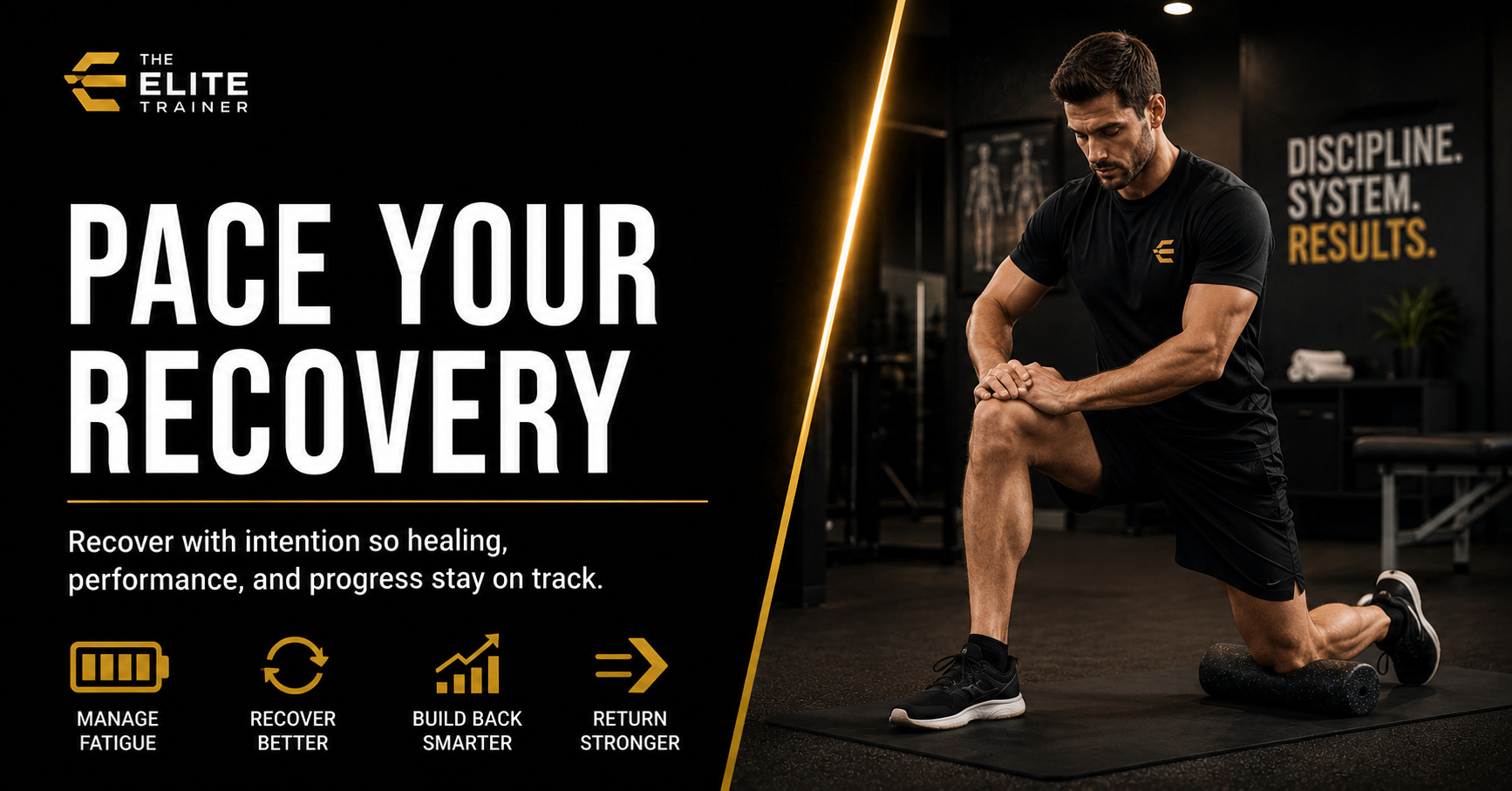
A useful reminder that recovery between sets is not dead time—it is a chance to stay warm, stay focused, and keep performance moving.

Cardio can help recovery, but too much of the wrong kind can work against strength, power, and muscle. Aerobic activity works best when treated as a restoration tool—not a punishment.

Recovery is not a couch sport. This post explains why light movement, circulation, and lymphatic flow can matter after brutal training sessions.