

Chin-ups are a back exercise first, but many lifters turn them into an arm-dominant grind. Better intent, setup, and execution help the lats do the job they are built to do.

Leo’s first two chin-ups mark the moment the work starts paying off. Isometrics, eccentrics, and controlled progression show how beginners can move from assisted work to real reps.

Pull-up handles can change more than grip comfort. Swissies-SP handles create new angles, reduce strain for some lifters, and add fresh variety to chin-ups and pull-ups.

Leo’s chin-up journey starts at zero, which is exactly where many clients begin. Eccentrics, consistency, and smart coaching set the foundation for real bodyweight strength.

Travel does not have to wreck your training. With a few bodyweight staples and a no-excuse mindset, hotel rooms, airports, and busy schedules can still support a solid workout.
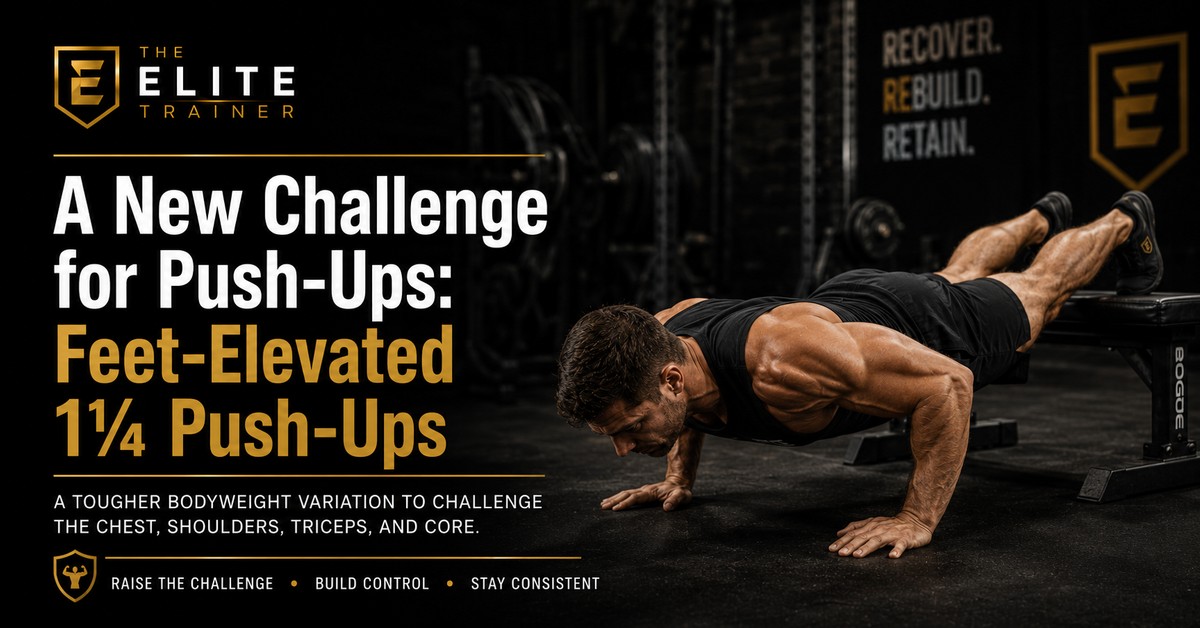
Feet-elevated 1¼ push-ups make a basic bodyweight exercise much nastier. The added partial rep increases time under tension and gives the chest, shoulders, triceps, and core a tougher challenge.
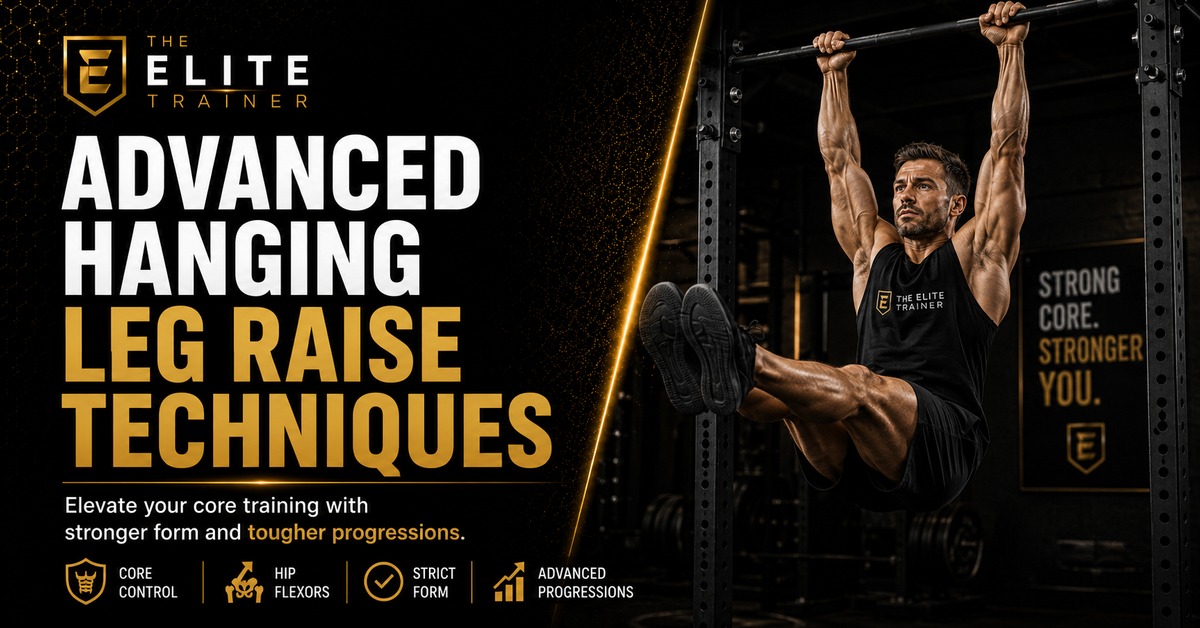
Hanging leg raises can progress far beyond basic reps. Added resistance and advanced variations turn this classic core exercise into a serious test of lower-abdominal and hip-flexor strength.

Chin-ups and dips are skills that reward real training, not random exercise. Amanda’s progress from zero to ten reps shows what consistent programming, recovery, and patience can do.

One-arm chin-up training needs a progression, not wishful thinking. Mixed-grip work and wrist-grip chin-ups give lifters a practical path toward the goal.

Chin-ups and dips respond to patient progression, smart loading, and consistency. Amanda and Heather’s progress shows how eccentric work can build real upper-body strength.