

Hanging leg raises can progress far beyond basic reps. Added resistance and advanced variations turn this classic core exercise into a serious test of lower-abdominal and hip-flexor strength.

Rotational strength belongs in a complete core program. Cable woodchops train the abs, obliques, hips, and shoulders through a functional pattern that carries beyond standard crunches.

Horizontal ring chin-ups, or inverted rows, reward strict form and punish sloppy range. Brace the core, set the shoulder blades, pause at the top, and progress only when quality stays high.

Strategic pauses remove momentum and force the muscles to do more honest work. Use pause training to build strength where you need it most.
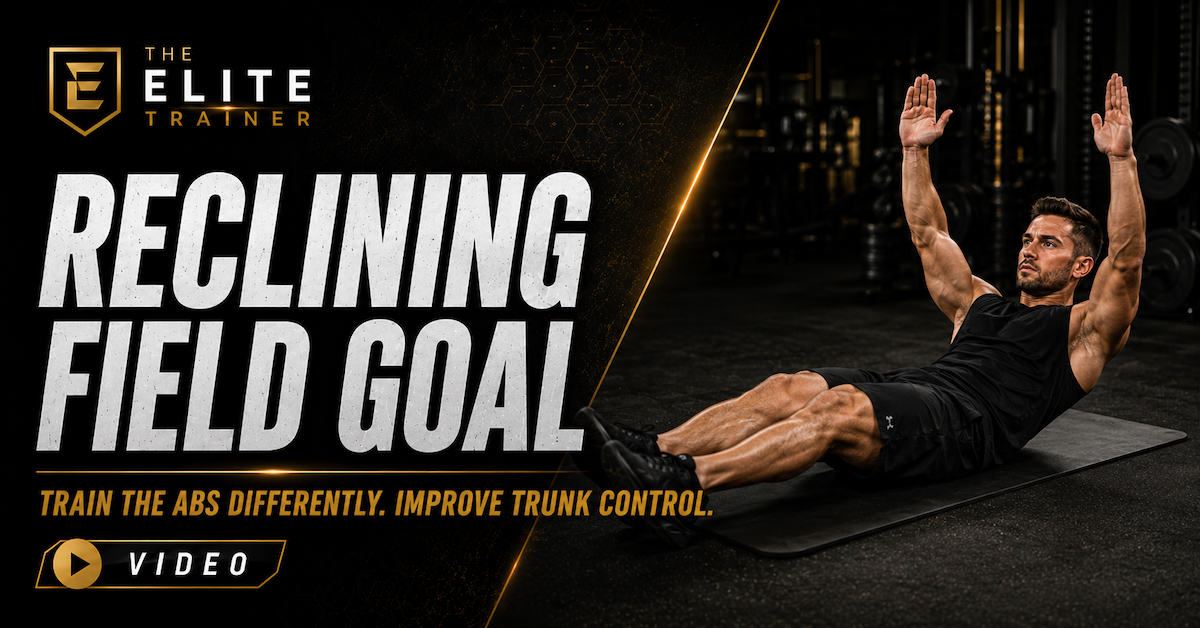
The Reclining Field Goal is a unique abdominal exercise built around contraction, control, and precision rather than endless reps. John Paul introduces the movement through Nelson Montana’s unconventional approach to ab development.
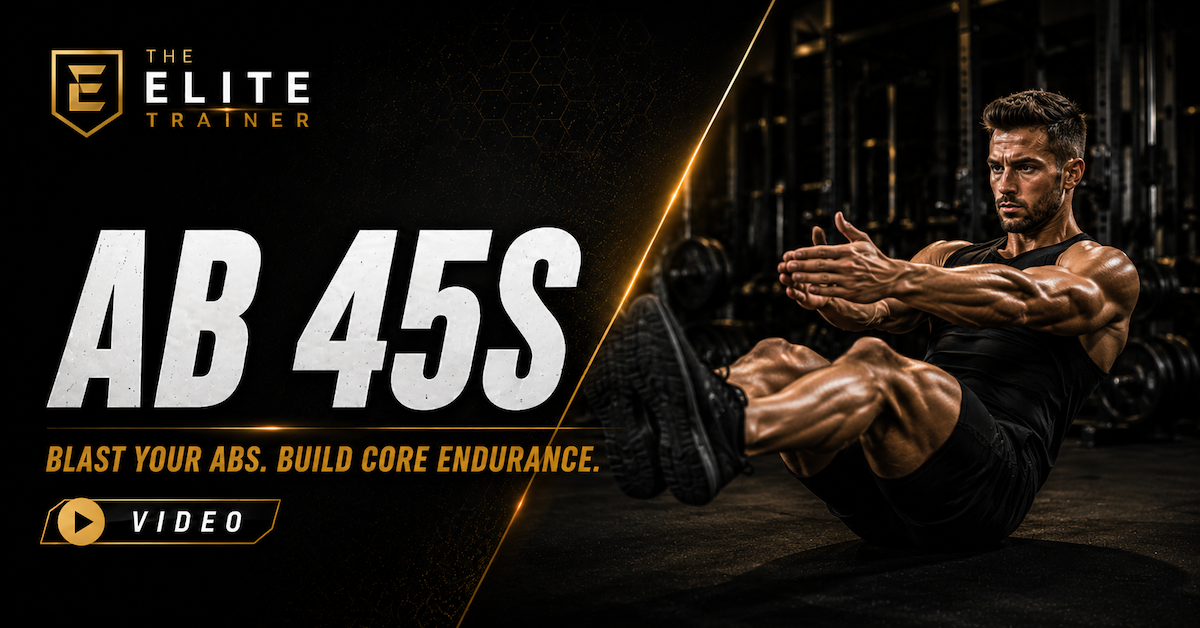
Ab 45s look simple until you try to hold the position. Inspired by Barry Ross, this brutal isometric core exercise challenges abdominal strength, body control, and mental toughness.
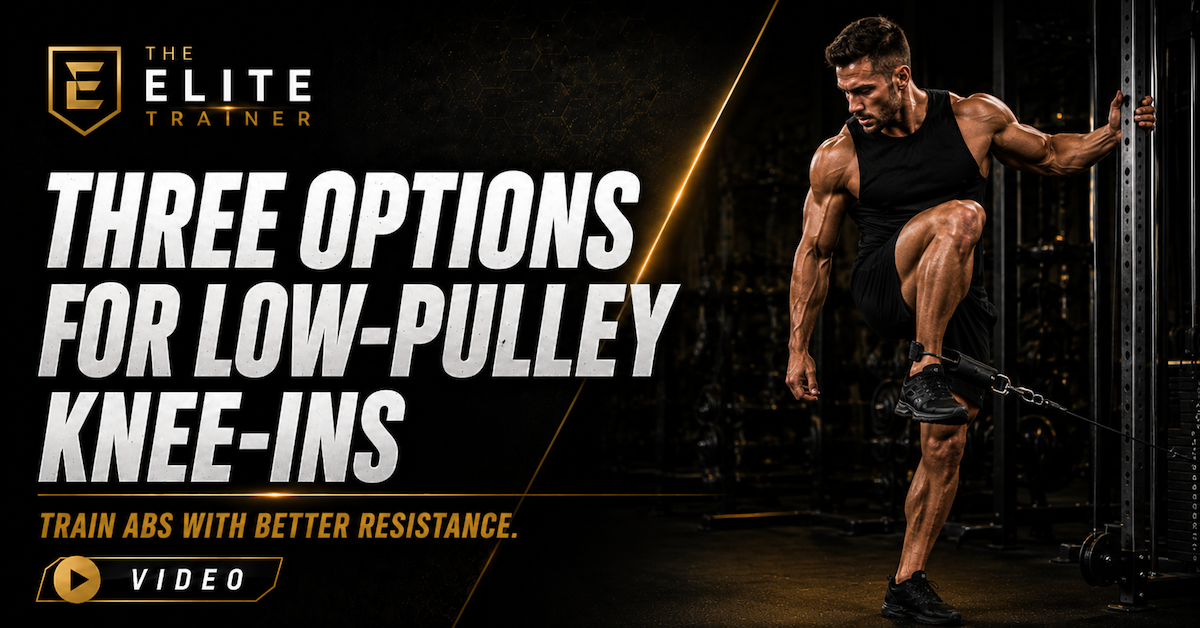
Low-pulley knee-ins line up resistance more intelligently than holding a weight between the feet. John Paul shows three cable-based options for loading the abs and hip flexors with better direction of force.
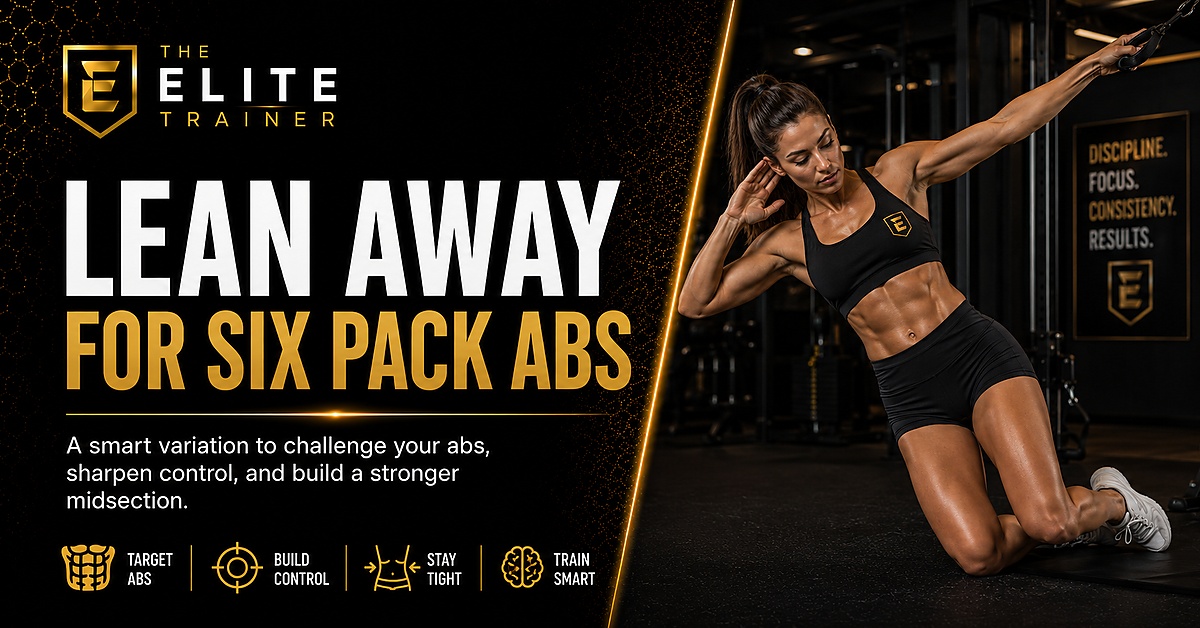
Lean-away chin-ups do more than hit the lats and biceps. Done properly, they can light up the abs and turn a pulling exercise into serious core work.
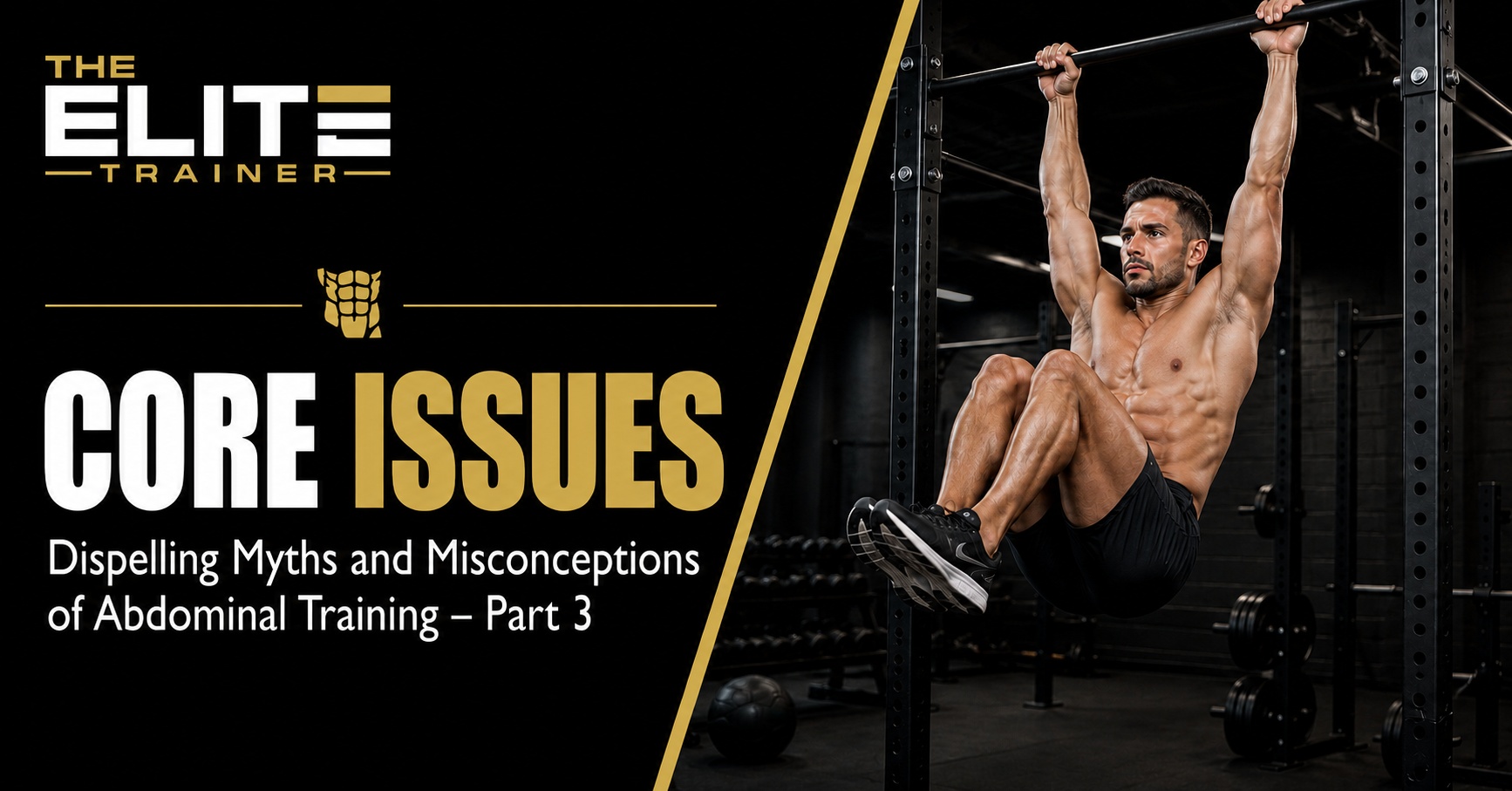
Are upper and lower abs really separate, or is that just gym folklore? Part 3 examines abdominal recruitment, exercise selection, and how different movements can target different regions.

Everyone wants better abs, but most core training advice is buried under myths. Part 1 launches a five-part series that challenges common assumptions about abdominal training.