
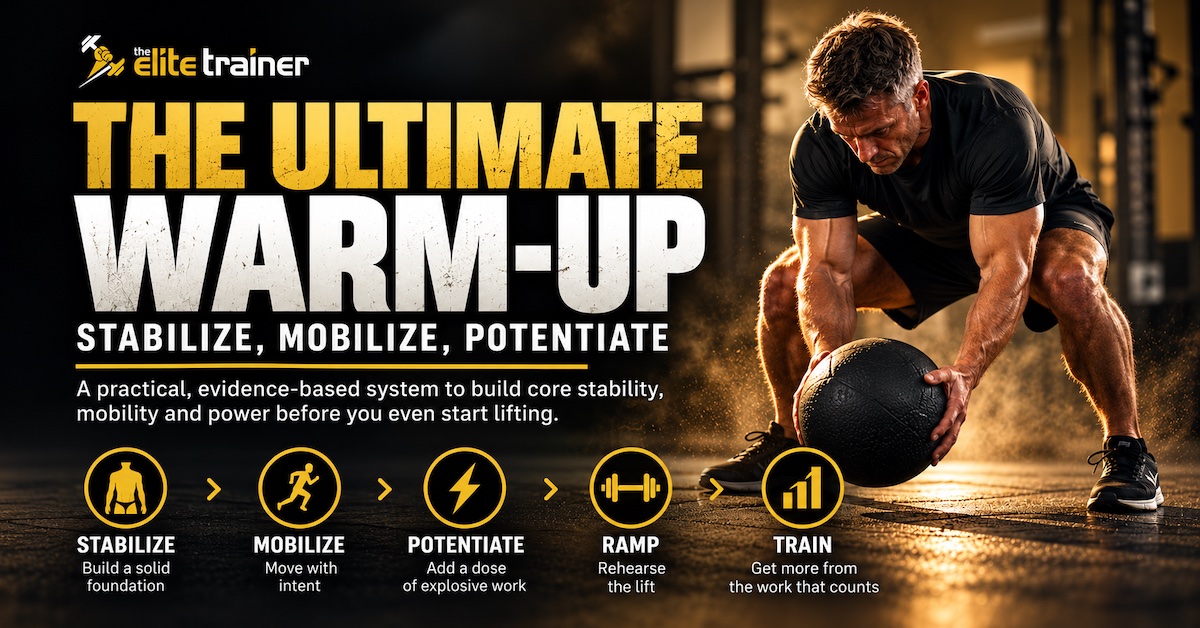
Most warm-ups either do too little or become workouts of their own. This three-stage system combines core stability, dynamic mobility and explosive potentiation to prepare you for more productive strength training without creating unnecessary fatigue.
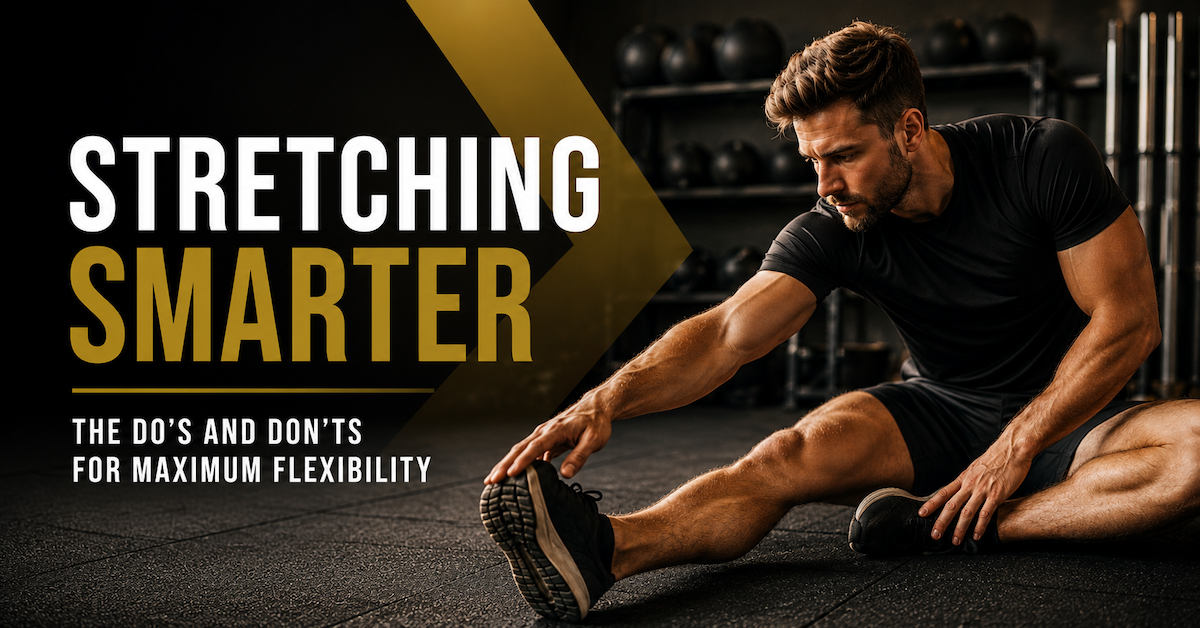
Want to boost flexibility, prevent injuries, and optimize performance? Stretching is an essential tool—but only if done correctly. Follow these key do’s and don’ts to stretch smarter, not harder.
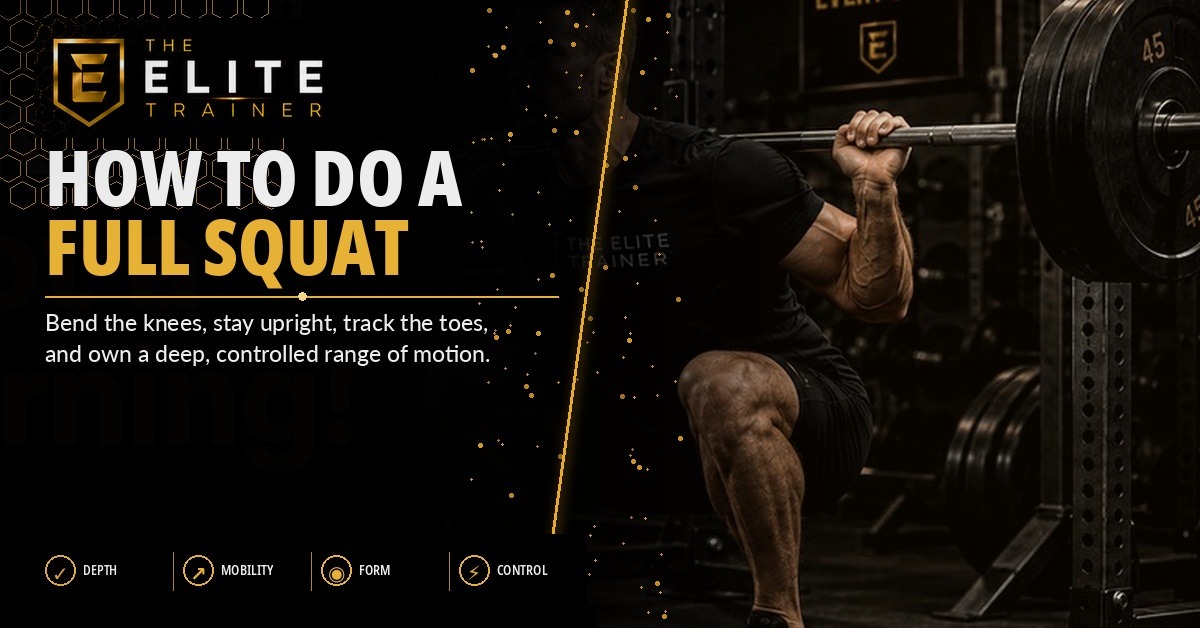
Full squats reward mobility, control, and honest range of motion. Partial reps may move more weight, but depth changes the work being done.
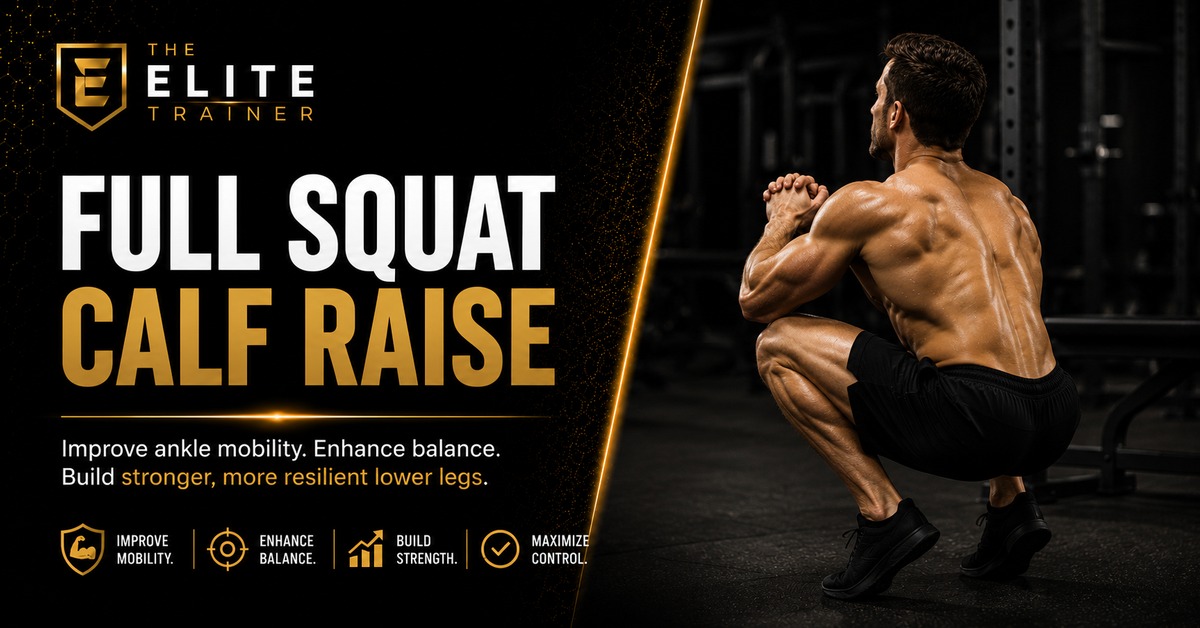
Gym closed? Your soleus still needs work. Full squat calf raises offer a tough, equipment-light way to train the lower calves at home.
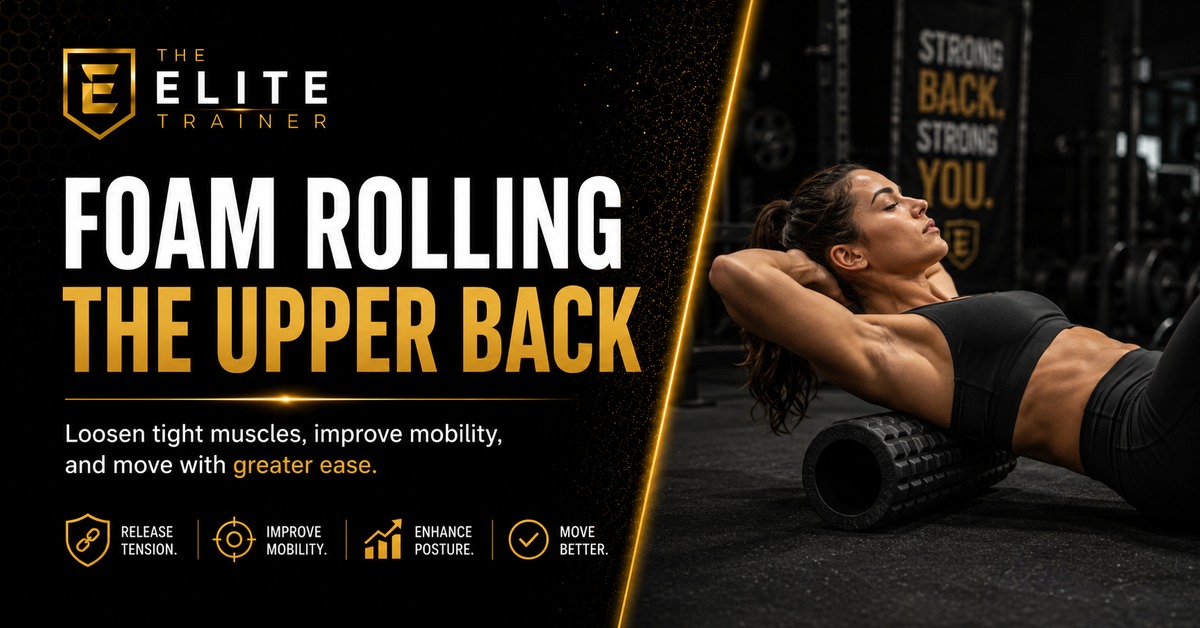
Foam rolling the whole body before every workout is overkill. Targeting the upper back and restoring thoracic movement can be a smarter use of warm-up time.

Training can create a visible gap even between people with identical genetics. This story shows how strength work, mobility, and consistency can change aging in ways DNA alone cannot explain.

A smarter hamstring-stretching approach that uses closed-chain positioning to make flexibility work more practical, frequent, and effective.
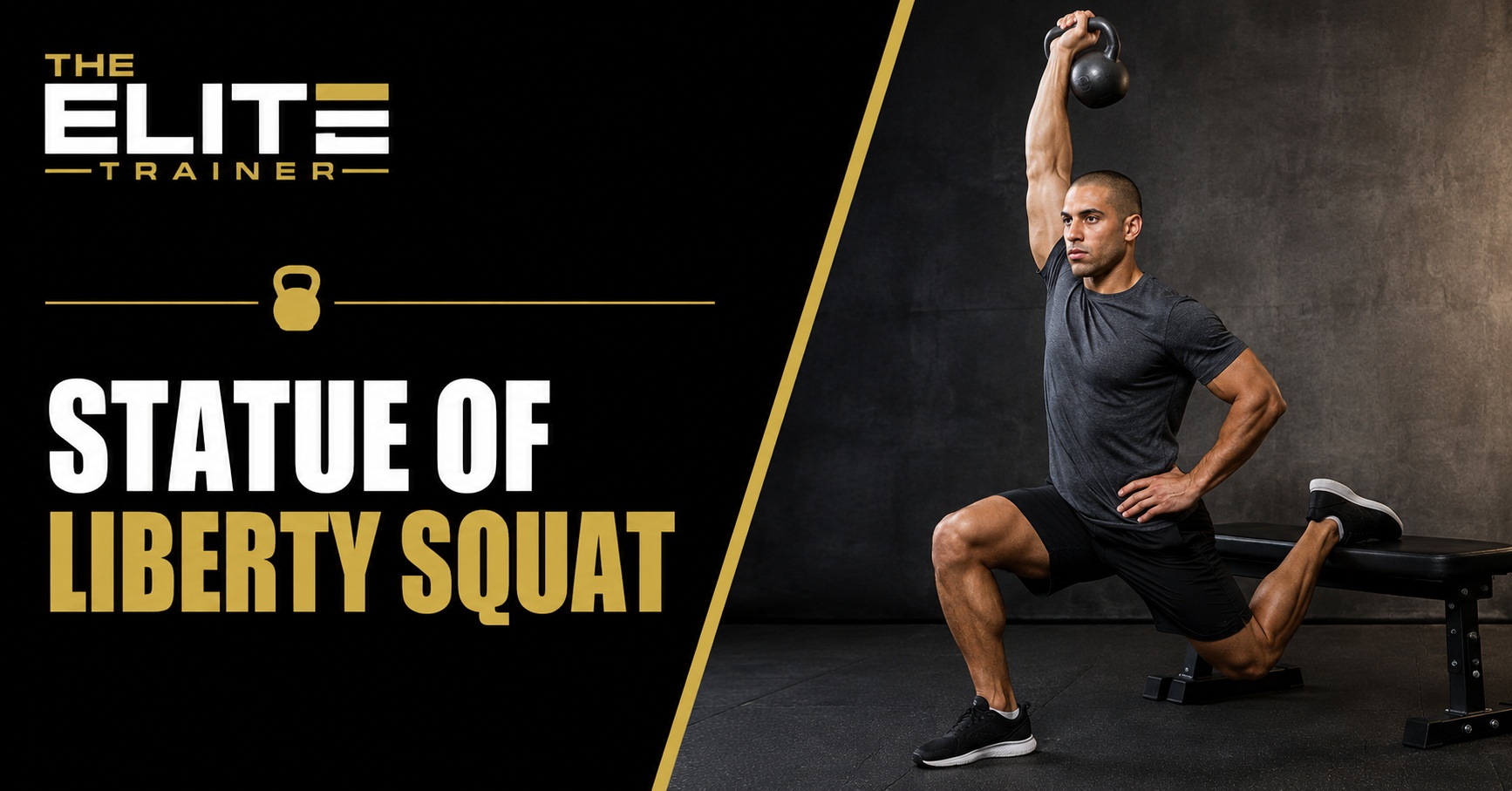
The rear-foot-elevated split squat gets a mobility upgrade with one simple change. John Paul introduces the Statue of Liberty Squat to stretch the hip flexors and load a longer fascial line.
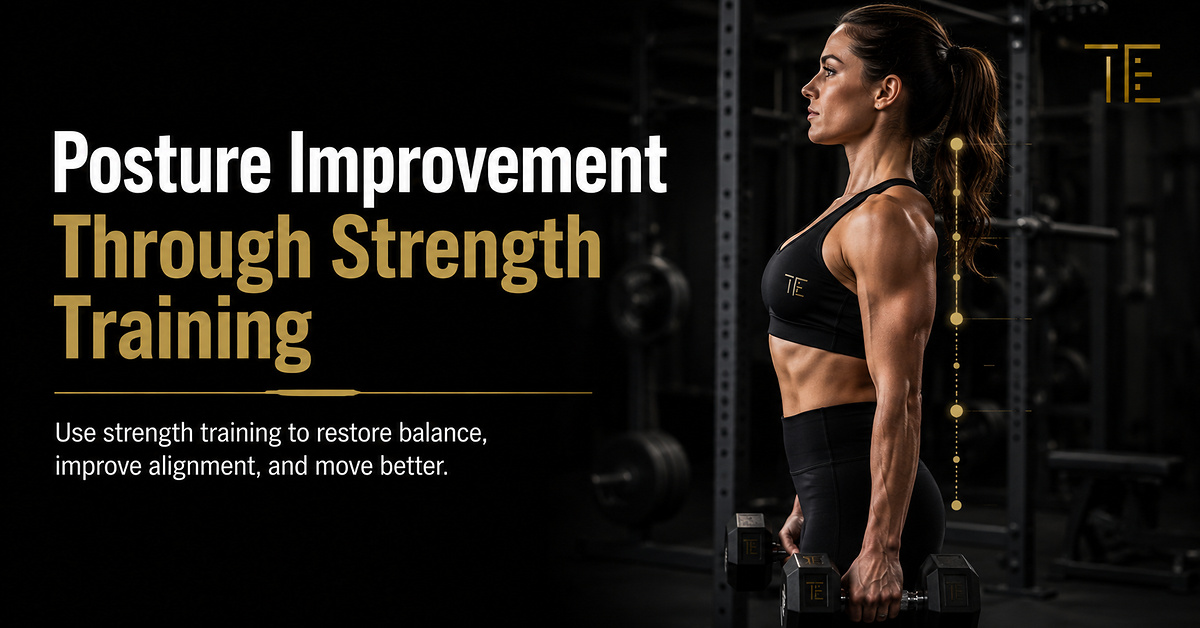
A clear case for improving posture through strength training rather than passive stretching alone. The article connects muscle balance, mobility, kyphosis, lordosis, and full-range lifting to better alignment.
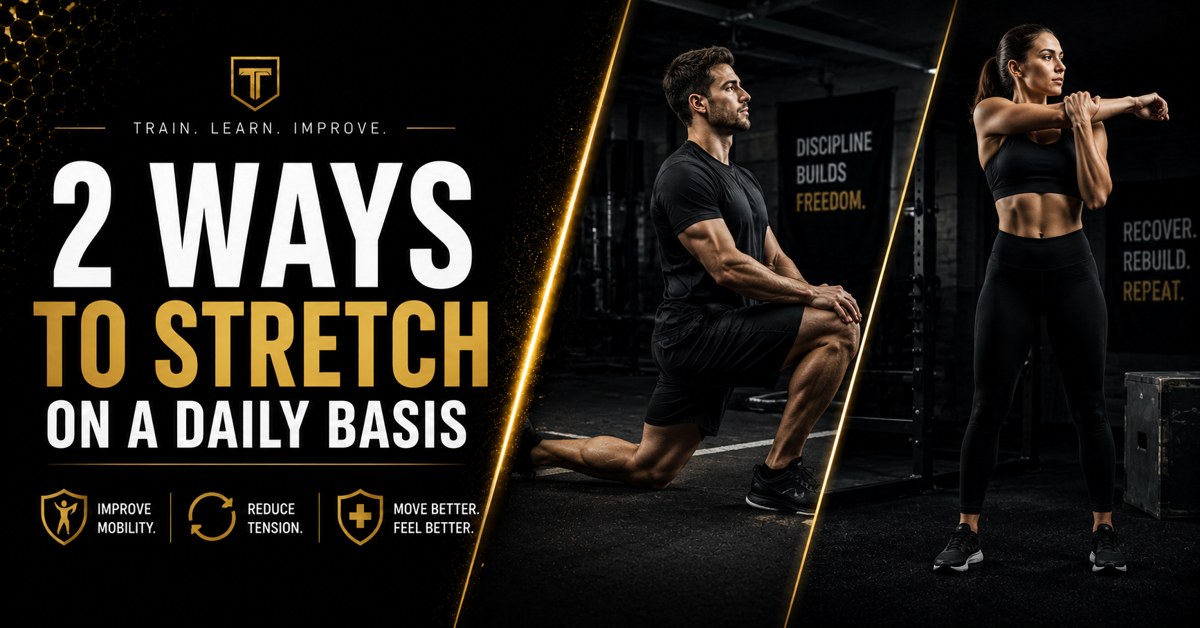
A quick look at why stretching frequency matters, with two practical ways to build mobility work into the day instead of treating it like an occasional afterthought.