

Movement, elevation, traction, and heat make the case for a more active recovery model. The METH approach challenges old-school icing habits without turning recovery into complete rest.

Injury recovery is rarely solved by sitting still and hoping for the best. Systemic enzymes, circulation, and controlled movement get examined here as part of a more active recovery approach.

Active recovery can change the way mild ankle sprains are handled. A real client example shows how the METH protocol helped restore movement quickly without defaulting to rest and ice.

Rest and ice are not the only options after an injury. The METH method puts movement first and uses active recovery to support a smarter return to function.

Arthritis doesn’t have to mean surrendering to inactivity. Smart, progressive exercise can help people keep moving instead of treating joint pain like a life sentence.
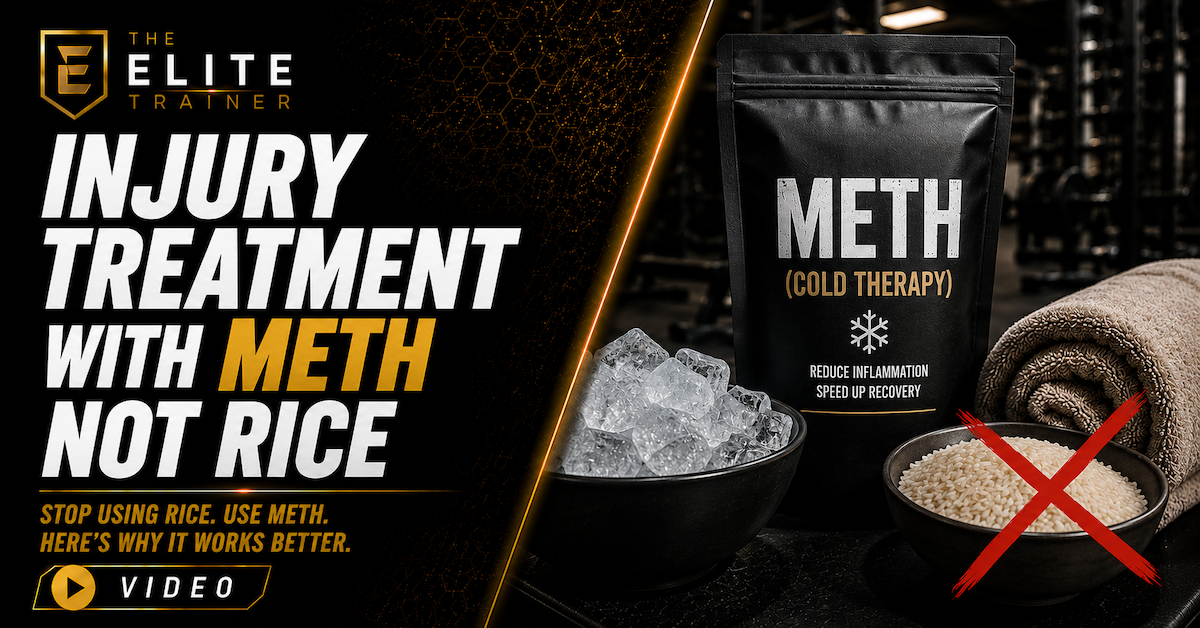
This video challenges the old RICE approach and introduces METH as a more movement-friendly framework for thinking about injury recovery.

A real-world ankle-pain case showing how movement, circulation, and smart recovery strategies can sometimes beat the standard rest-and-ice routine.
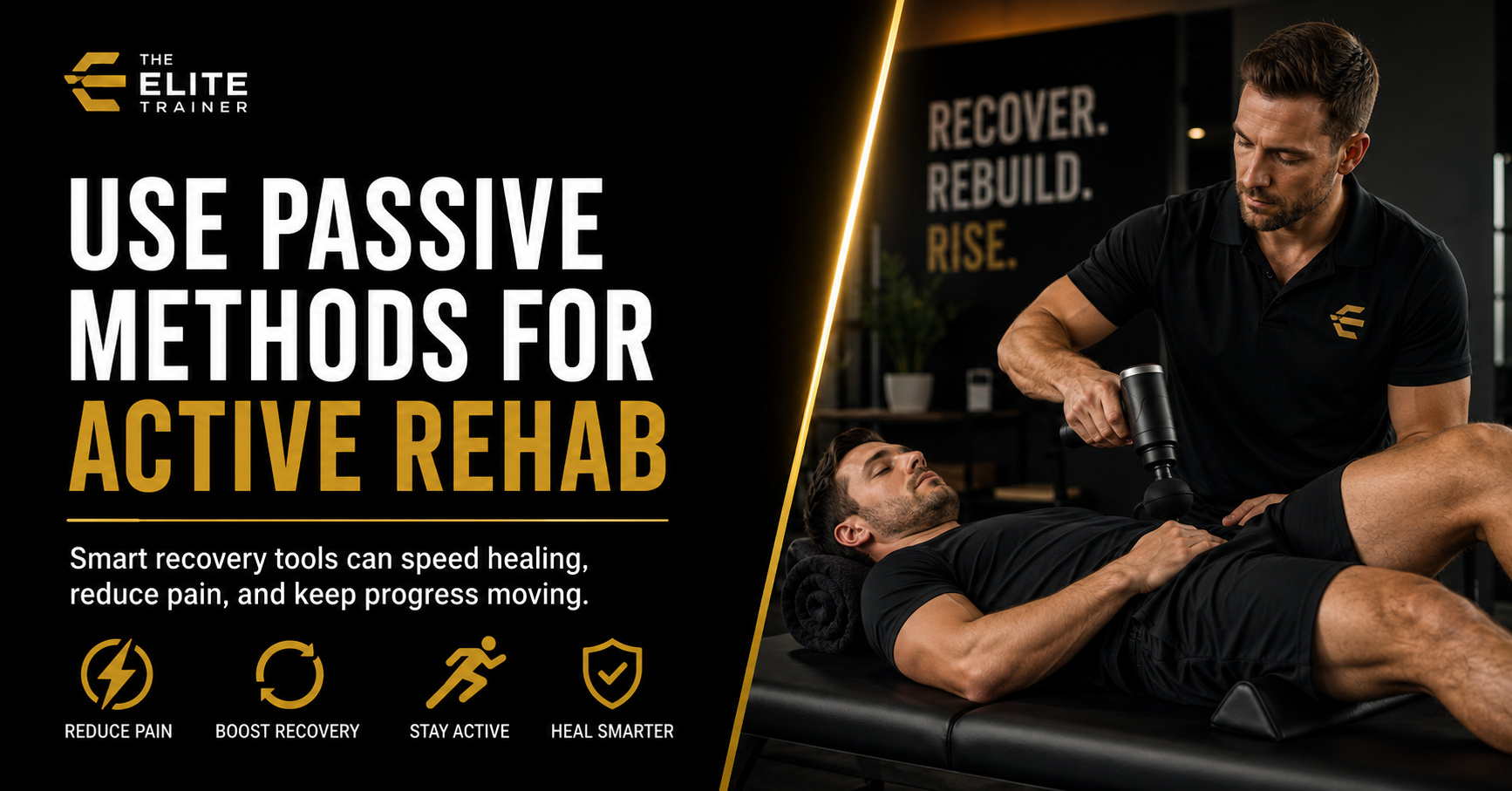
A rehab-focused piece explaining why passive therapies can help, but active movement still needs to drive the recovery process.

A no-nonsense argument for respecting the body’s healing process—and for using movement and circulation instead of defaulting to endless rest and ice.

The old RICE model is not the only way to think about injury recovery. John Paul presents a provocative alternative built around movement, elevation, traction, and heat.