

RICE has dominated injury advice for decades, but it is not the only way to think about recovery. Movement, circulation, and smarter loading offer a more active path forward.
Injury recovery is rarely solved by sitting still and hoping for the best. Systemic enzymes, circulation, and controlled movement get examined here as part of a more active recovery approach.
A powerful personal story about rebuilding health, restoring movement, and supporting recovery through nutrition, care, persistence, and a more holistic approach to physical rehabilitation.
Personal health battles rarely fit neatly into conventional categories. This family story explores the fight to restore strength, independence, and hope when options felt limited.
Surgery recovery demands more than simply waiting it out. IV vitamin C, ozone, and other integrative strategies are discussed here as potential support tools.

A no-nonsense argument for respecting the body’s healing process—and for using movement and circulation instead of defaulting to endless rest and ice.

The old RICE model is not the only way to think about injury recovery. John Paul presents a provocative alternative built around movement, elevation, traction, and heat.

Part two shifts from anti-icing theory to practical recovery habits: sleep, nutrition, supplements, light movement, and other methods that may support healing. It’s a recovery checklist for lifters who want to bounce back faster without doing anything reckless.
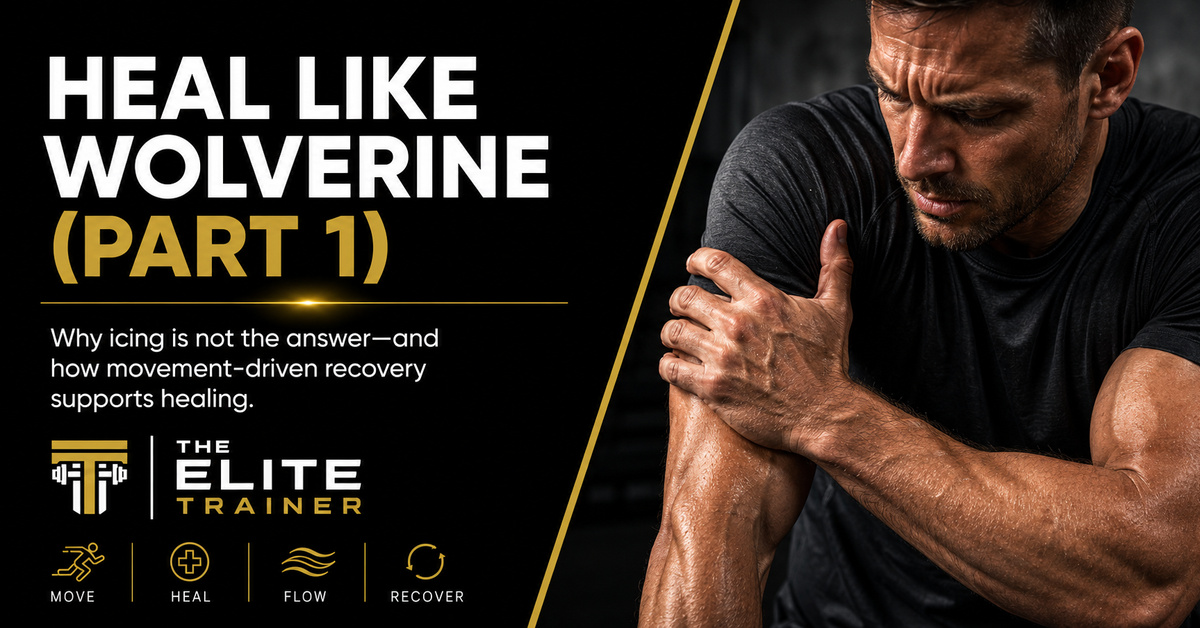
Part one challenges the traditional RICE approach and argues that icing can interfere with the body’s natural healing process. It introduces the “garbage out, groceries in” concept and makes the case for movement-driven recovery.

A personal story about injury, parenting, and the tension between conventional care, observation, and alternative recovery thinking.