

Recovery needs are not identical from lift to lift or phase to phase. This method shows how to test your own recovery window for strength, hypertrophy, and muscular endurance work.

Structural balance testing does not have to be a separate week of tedious assessments. This routine builds testing directly into training so coaches can spot weak links while still getting productive work done.

This presentation introduces an alternating conjugate approach to program design for lifters who want structure, variation, and long-term progress.

Size and strength do not have to live in separate programs. These four loading strategies show how to blend heavy work with moderate-rep bodybuilding work for a more complete training effect.

Size and strength overlap, but they are not the same thing. John Paul compares bodybuilding and powerlifting adaptations through time under tension, hypertrophy type, and loading strategy.

Random workouts lead to random results, especially when muscle growth stalls. John Paul explains how bodybuilders can use periodization to keep progressing with a logical sequence of training phases.

Athletic strength gains do not happen by accident. John Paul explains how periodization organizes training phases so athletes can build strength, power, hypertrophy, and performance at the right time.
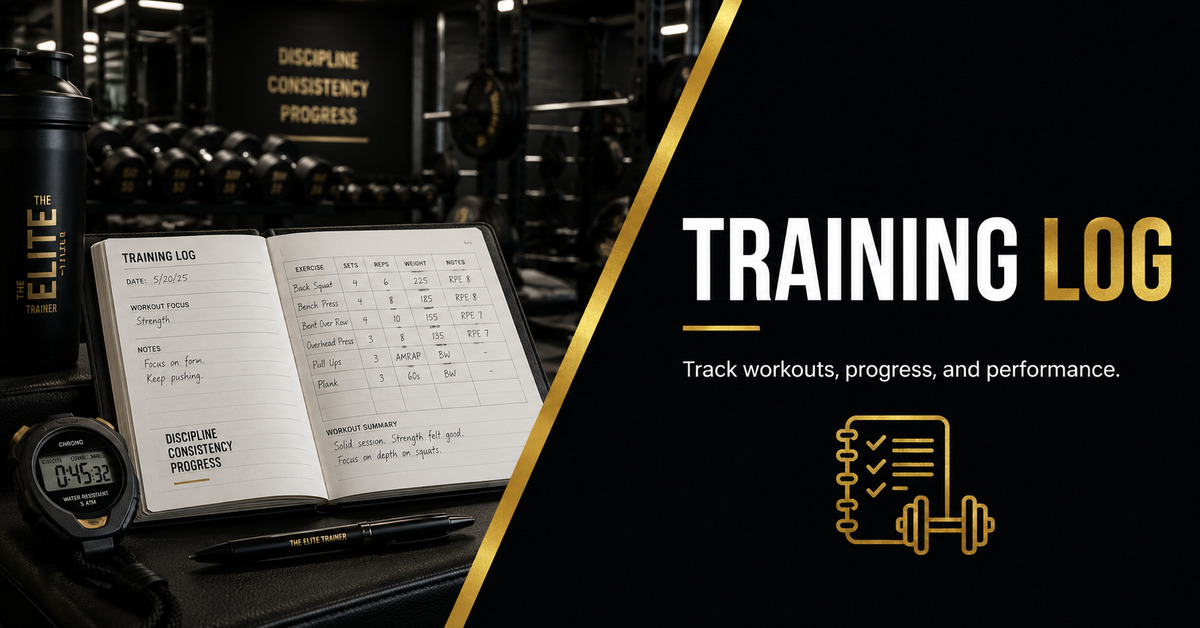
Progress is hard to prove when you do not record it. John Paul explains why a training log remains one of the simplest and most powerful tools for measuring improvement.

More exercises do not always mean better training. John Paul revisits the one-lift-a-day approach as a cure for overcomplicated workouts, overtraining, and program clutter.
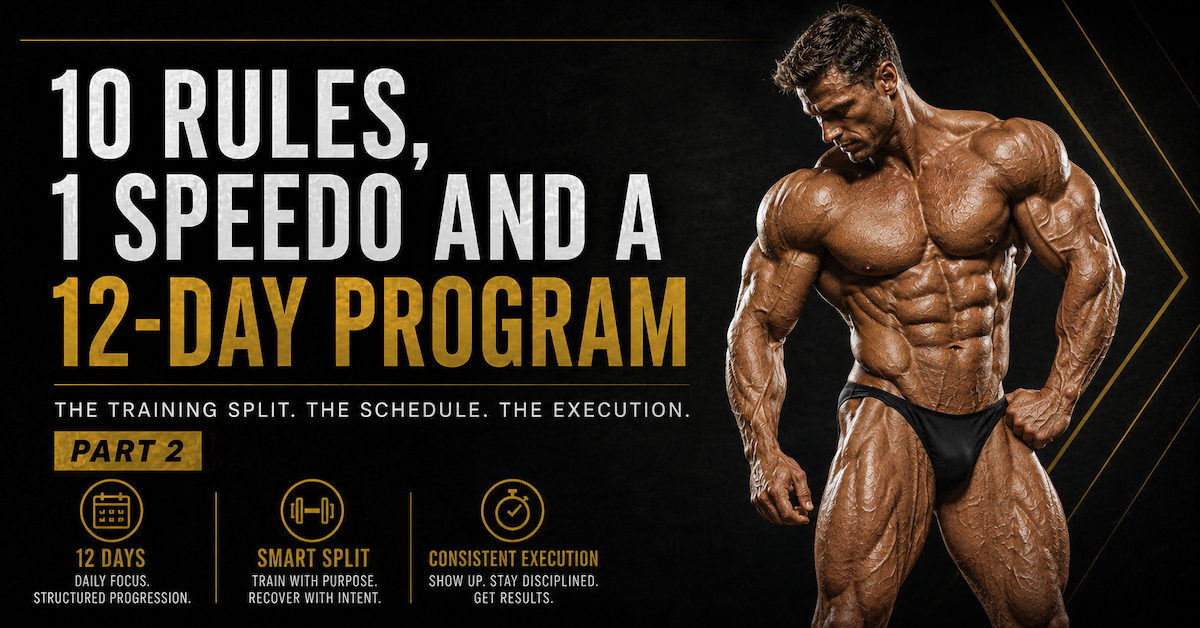
See how this 12-day program was built, including the training split, workout structure, exercise pairings, and the strategy behind using higher frequency, lighter loads, and faster controlled reps to stimulate new muscle growth.