
Wearable tech can be helpful until the score starts running the show. Retiring the Oura Ring became a lesson in orthosomnia, body awareness, tracking accuracy, and trusting real-world recovery signs.

Sleep is not just another recovery tool — it is the foundation. For athletes and serious lifters, quality sleep drives repair, hormone regulation, energy, focus, and performance.
Sometimes the best recovery tool is a real break. A week of sun, rest, and circadian-resetting habits produced a dramatic jump in readiness scores after vacation.
Recent and classic research can change how coaches think about sleep, training, nutrition, toxins, longevity, and daily movement. Here are several findings worth putting on your radar.
Blue light can wreck your wind-down routine, but your phone may already have a built-in fix. Night Shift offers a simple way to reduce evening screen disruption and support better sleep habits.
Sleep may be the most underrated recovery method in the entire training toolbox. Naps, post-workout rest, and practical recovery habits matter when life is busy.
Light exposure after dark can do more than annoy your eyes—it can disrupt the sleep signals lifters depend on for recovery. Corey Hart’s famous lyric gets a recovery-minded twist here.
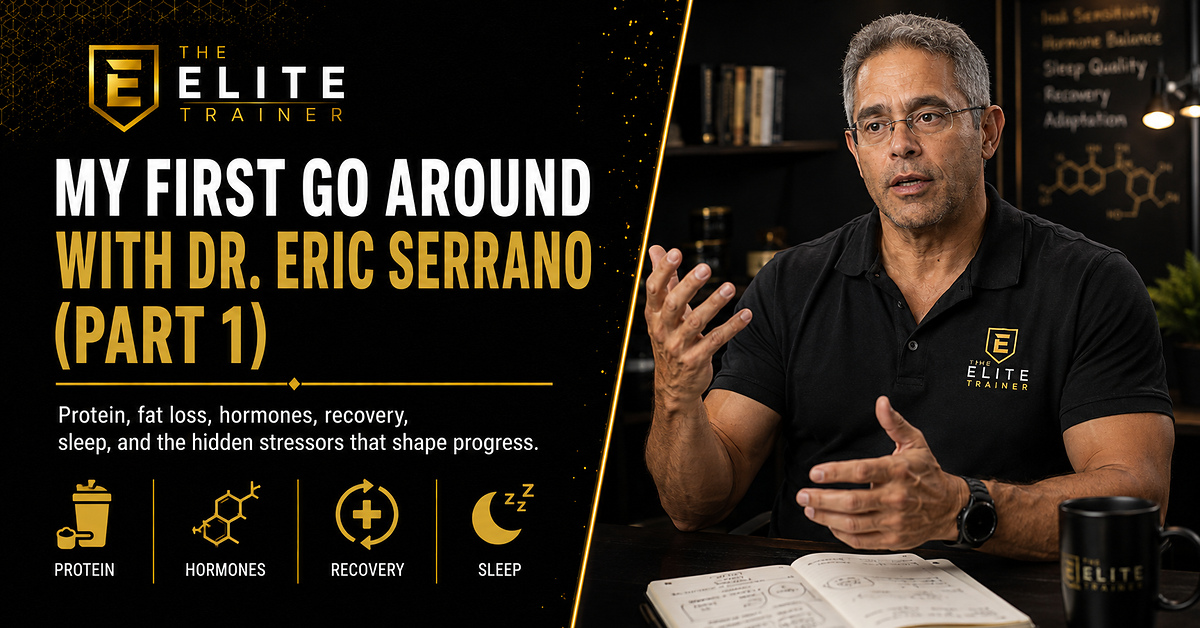
Part one of the Dr. Eric Serrano interview covers hormones, recovery, sleep, protein, and the stress factors that can quietly undermine progress. It’s a wide-ranging discussion for lifters who know training is only one piece of the puzzle.