
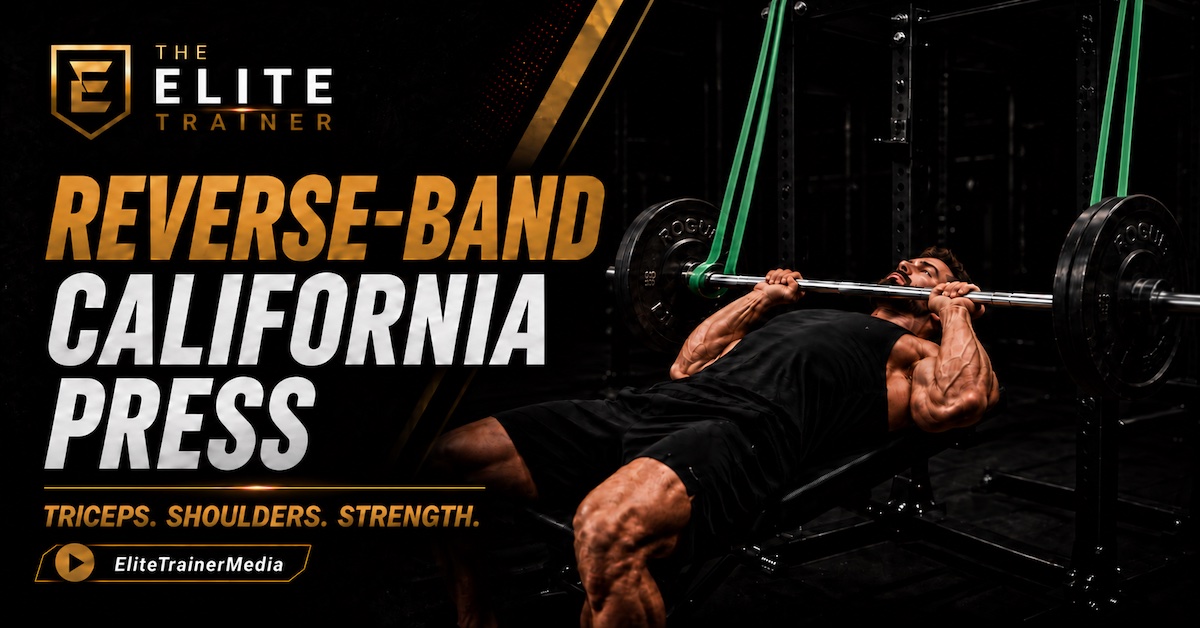
The California press already blends close-grip pressing with triceps-extension mechanics. Adding reverse bands offloads the bottom, protects the elbows, and makes the top range do more work.
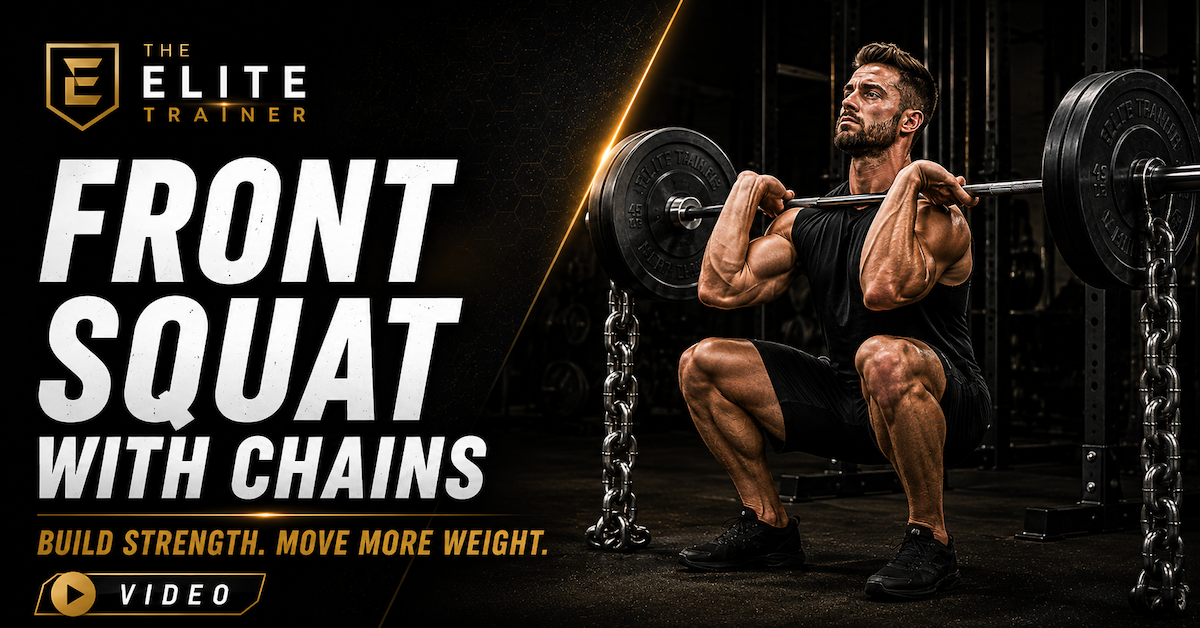
Chains make the front squat heavier where you are strongest and lighter where you need more room to move. This demo shows accommodating resistance in action for a classic lower-body strength lift.

Chains make full squats more manageable where lifters are weakest and heavier where they are strongest. See how accommodating resistance changes the feel of the lift.
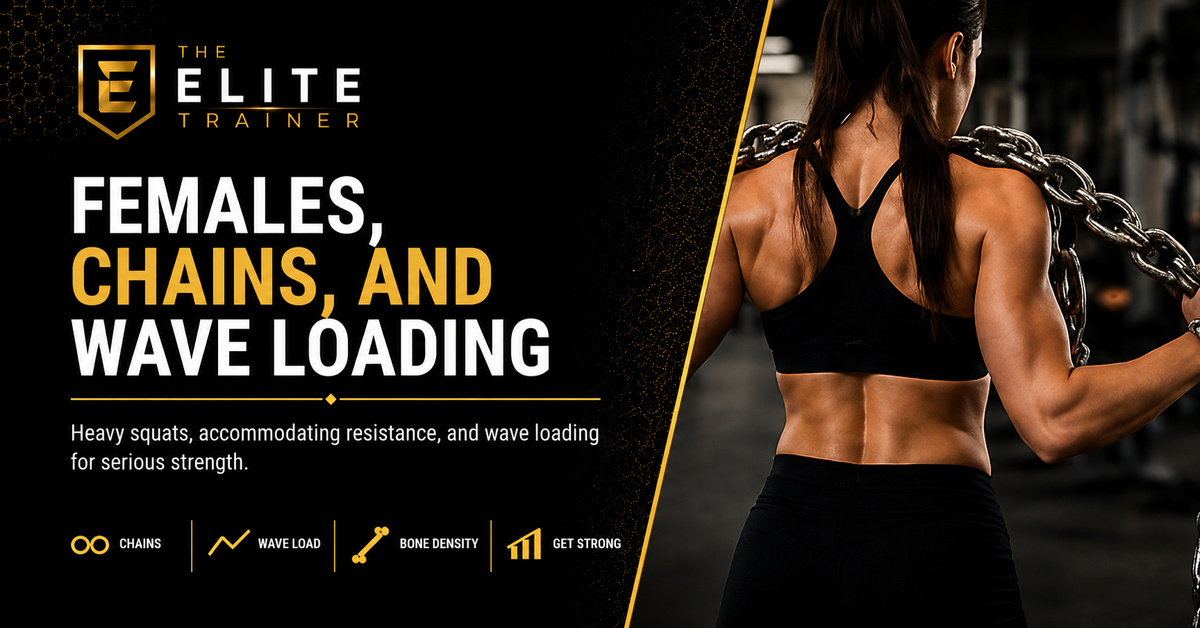
Heavy lifting does not have to mean reckless lifting. Chains and wave loading can help female trainees build serious strength while managing sticking points and confidence under the bar.
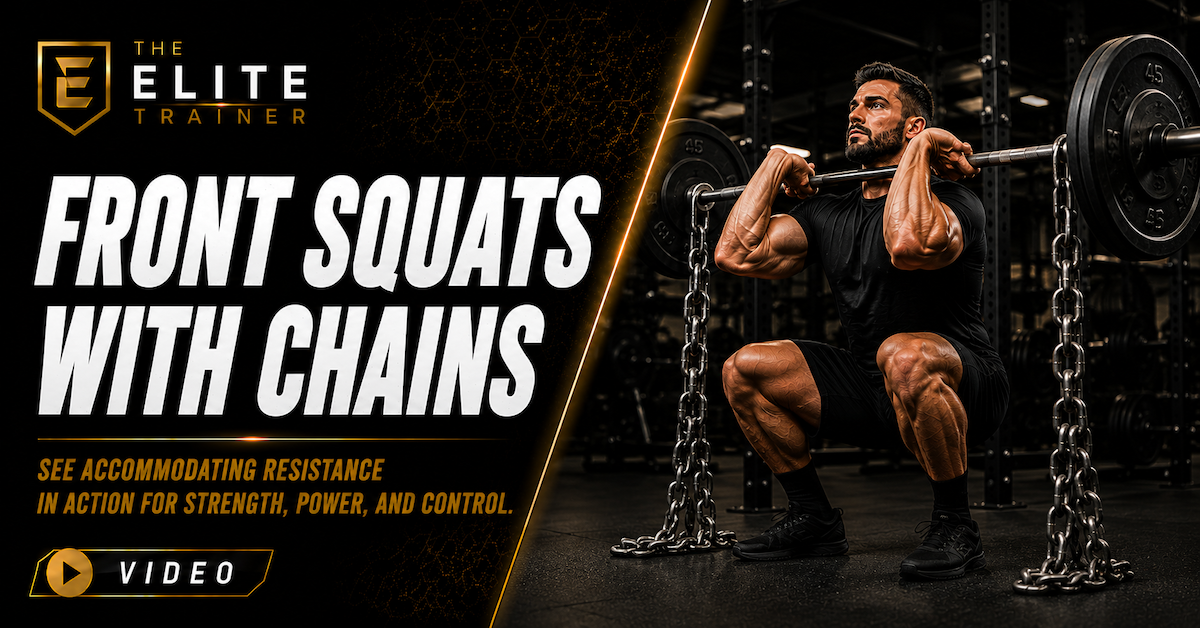
Chains change the loading curve and add a serious twist to front squats. This clip shows wave loading and accommodating resistance in action.
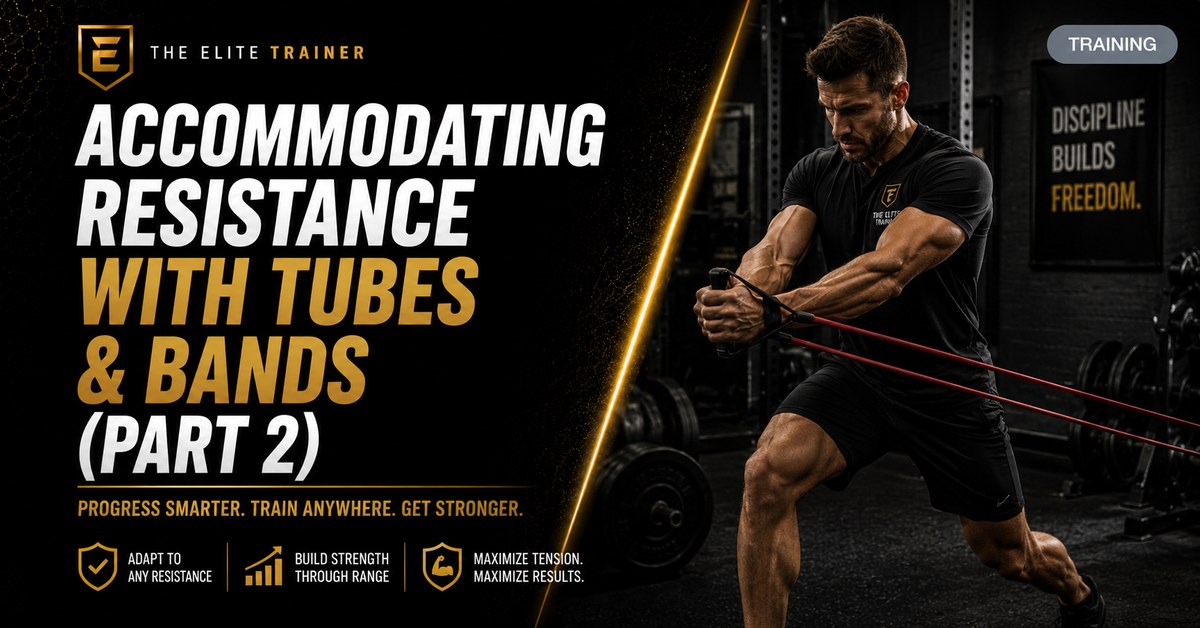
Elastic resistance can add load, reduce load, or change the strength curve entirely. Part 2 explains how bands assist or resist exercises like squats, bench presses, chin-ups, and dips.
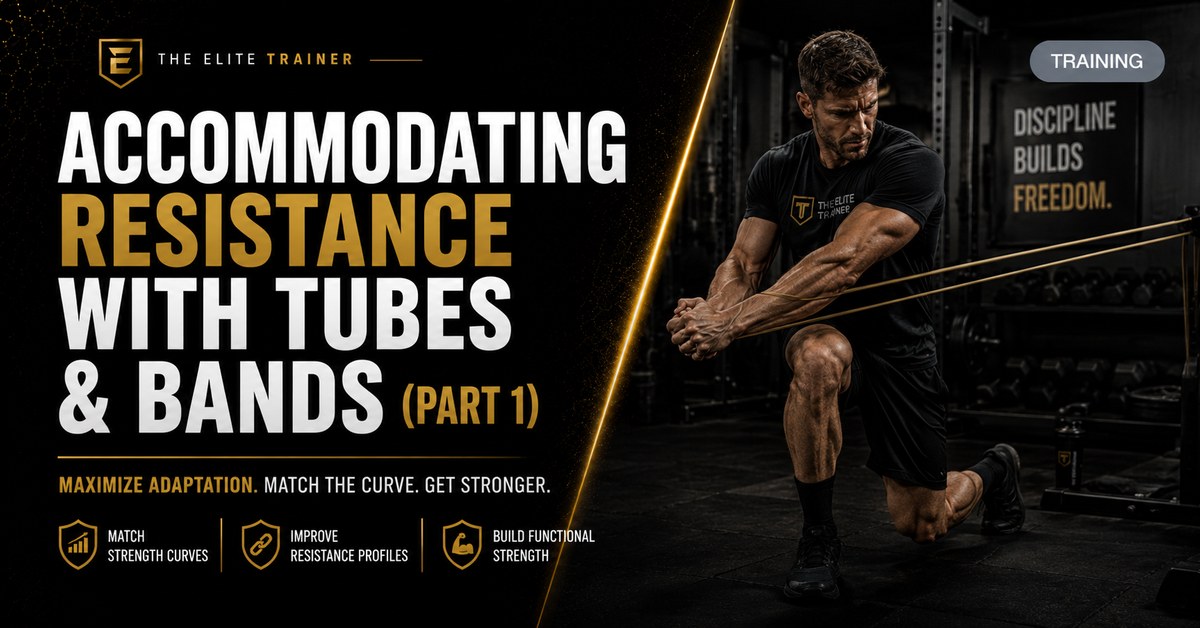
Bands and tubes are portable, affordable, and useful—but they are not magic. Part 1 breaks down where elastic resistance shines, where free weights still rule, and how trainers can choose the right tool.
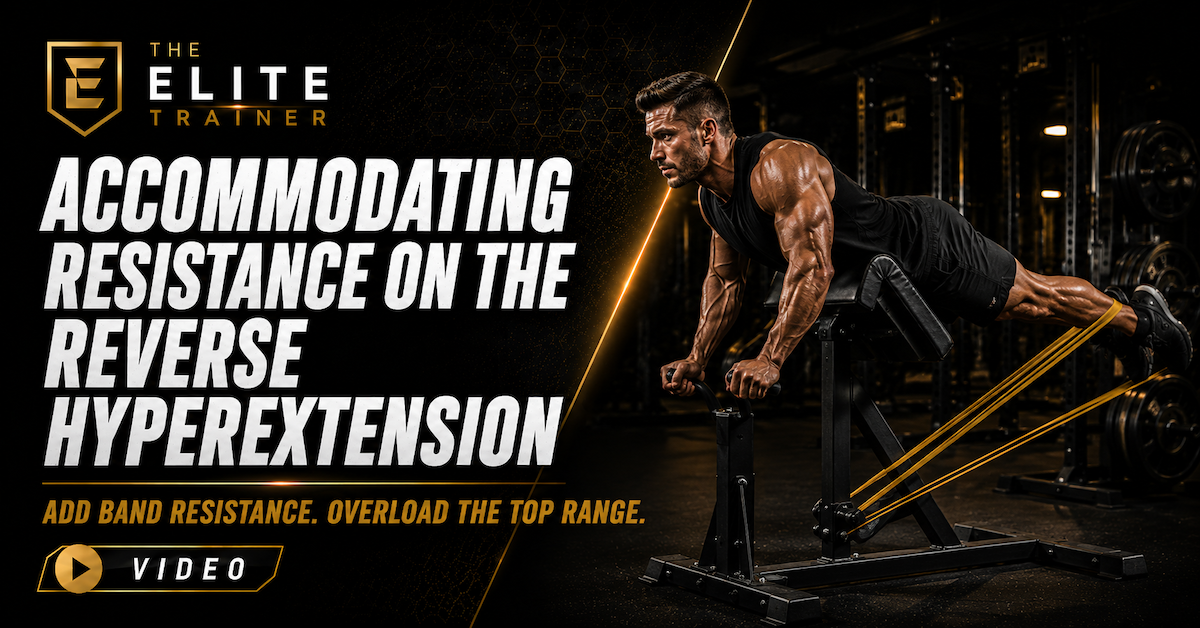
A reverse hyperextension variation using accommodating resistance to challenge the posterior chain more effectively through the range.