

Nutrition and training can follow the seasons. White rice, wild rice, cauliflower rice, mass phases, and fat-loss phases all fit into a periodized approach.

Cereal, yogurt, fruit, and alcohol may not be as harmless as their health halos suggest. Consider how modern “everyday” foods can quietly behave like candy.
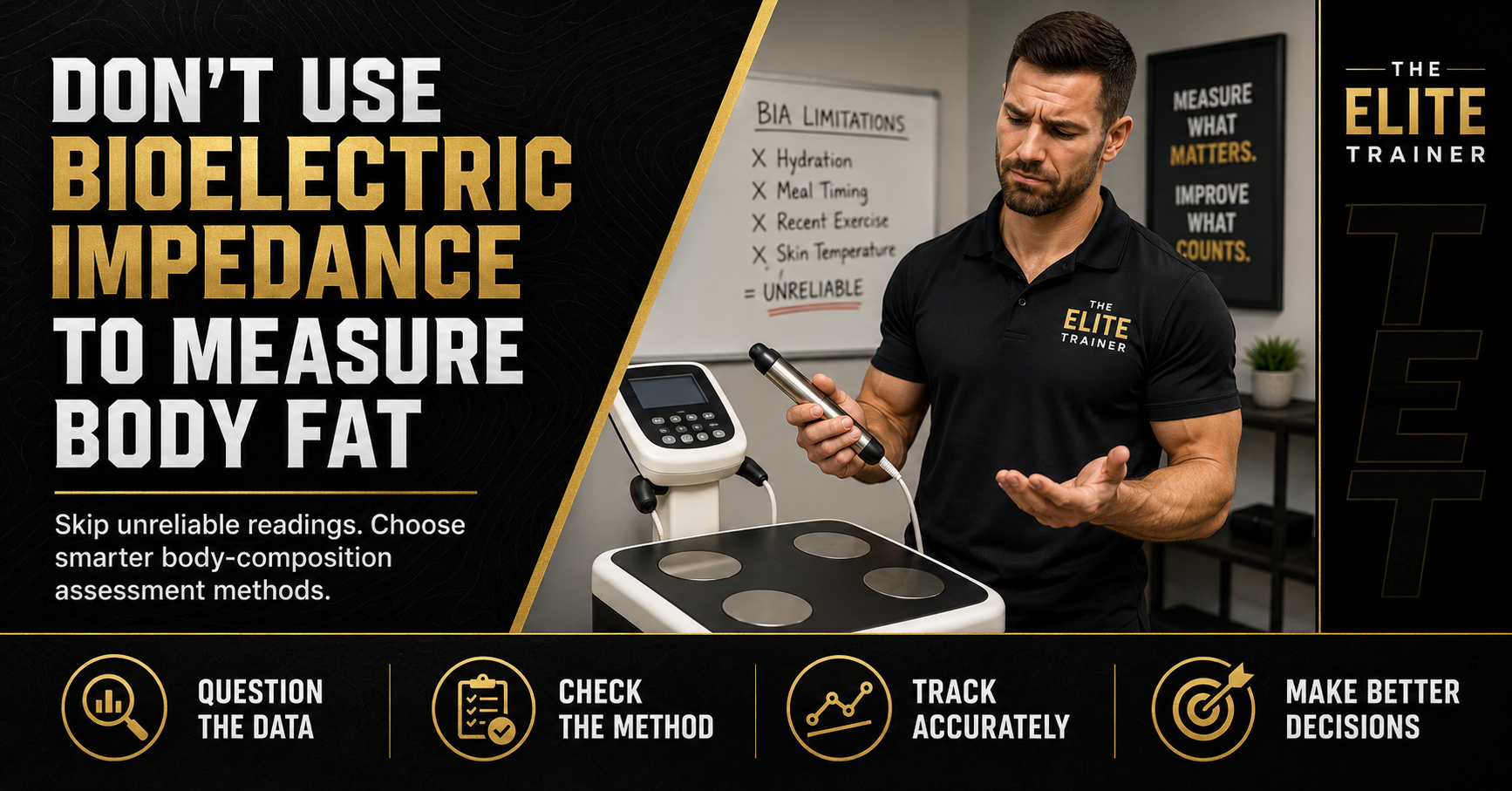
A critical look at bioelectrical impedance testing and why trainers should be careful before trusting quick body-fat numbers from convenient machines.

A wake-up call on the “skinny fat” problem, showing why looking lean on the outside does not always mean metabolic health is in great shape.

Resistance exercise, rest intervals, creatine timing, and movement screening all get a practical look in this research roundup. The value is in separating useful coaching takeaways from overhyped conclusions.

Advanced trainees do not transform by accident. This case study shows how targeted body-composition work tightened the waist, improved skinfolds, and preserved lean mass without relying on cardio.
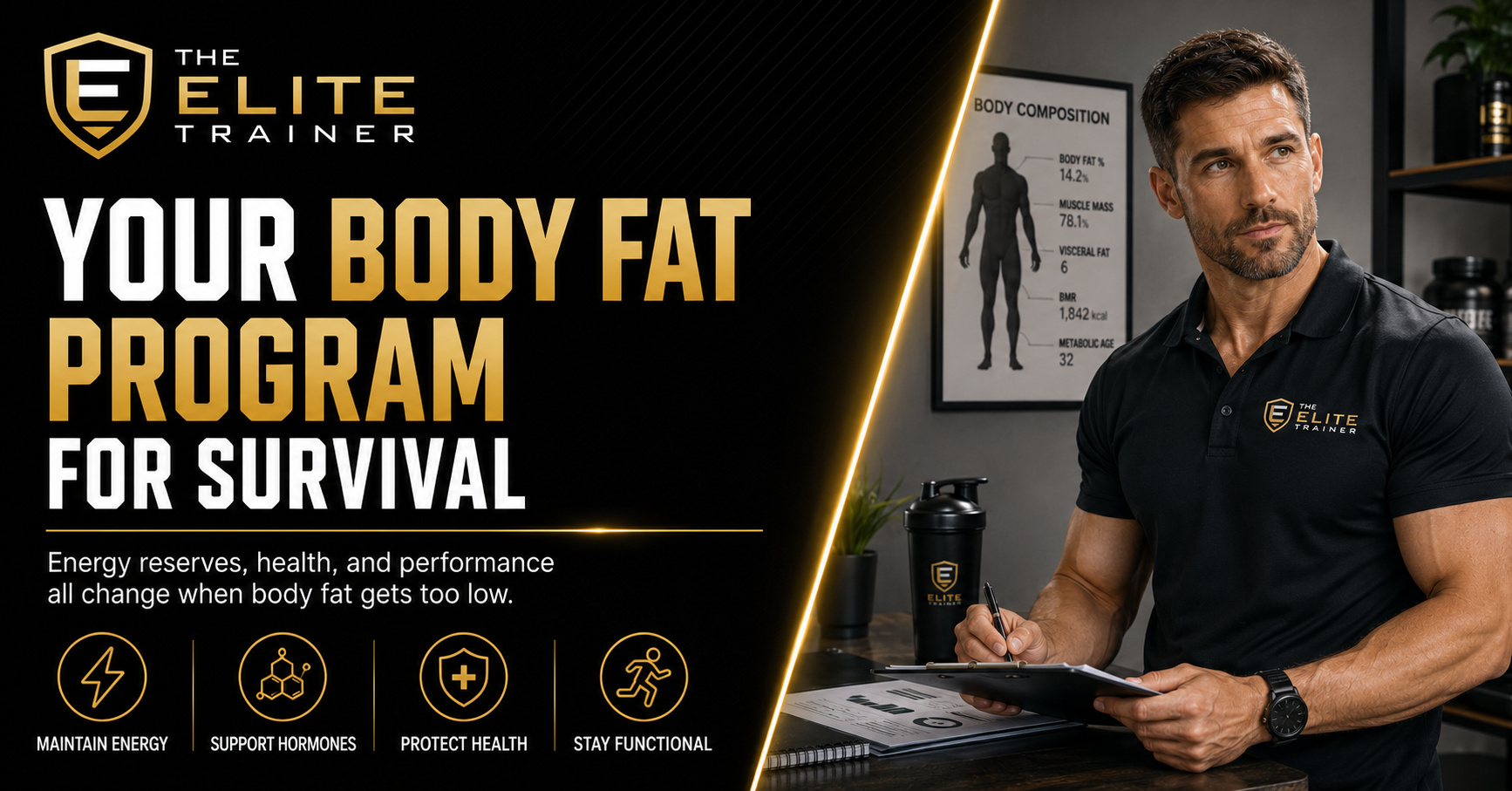
Fat storage is not random—it is tied to the body’s survival programming. Biology, adaptation, and weight-loss resistance help explain why forcing change is not always simple.

Discover three effective circuit training methods that combine strength, conditioning, minimal rest, and smart exercise sequencing to improve body composition, boost workout efficiency, and support fat loss.

Vegetarian diets can work for a time, but John Paul argues that long-term nutrition needs more scrutiny than slogans. This piece challenges plant-only assumptions through a performance and health lens.

A direct response to the fear that lifting weights will make women bulky or muscle-bound. It explains why strength training usually improves body composition, metabolism, and shape without creating the exaggerated result many women fear.