
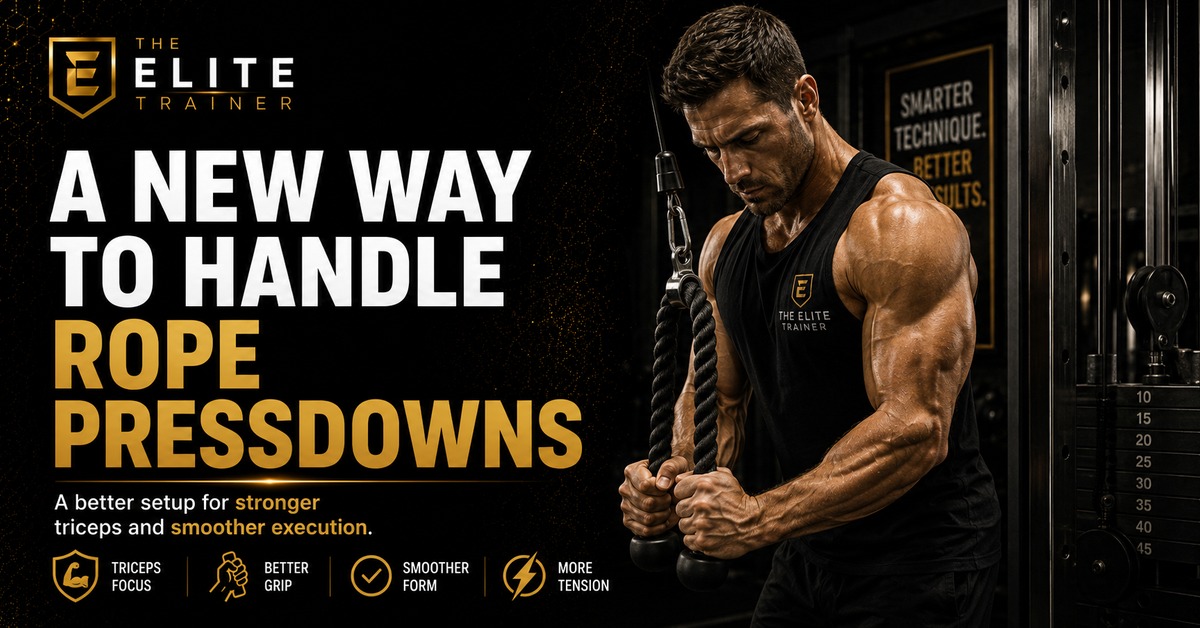
Triceps pressdowns feel better when the attachment fits the hands. An ergonomic rope handle can improve comfort, grip, and contraction quality during cable arm work.
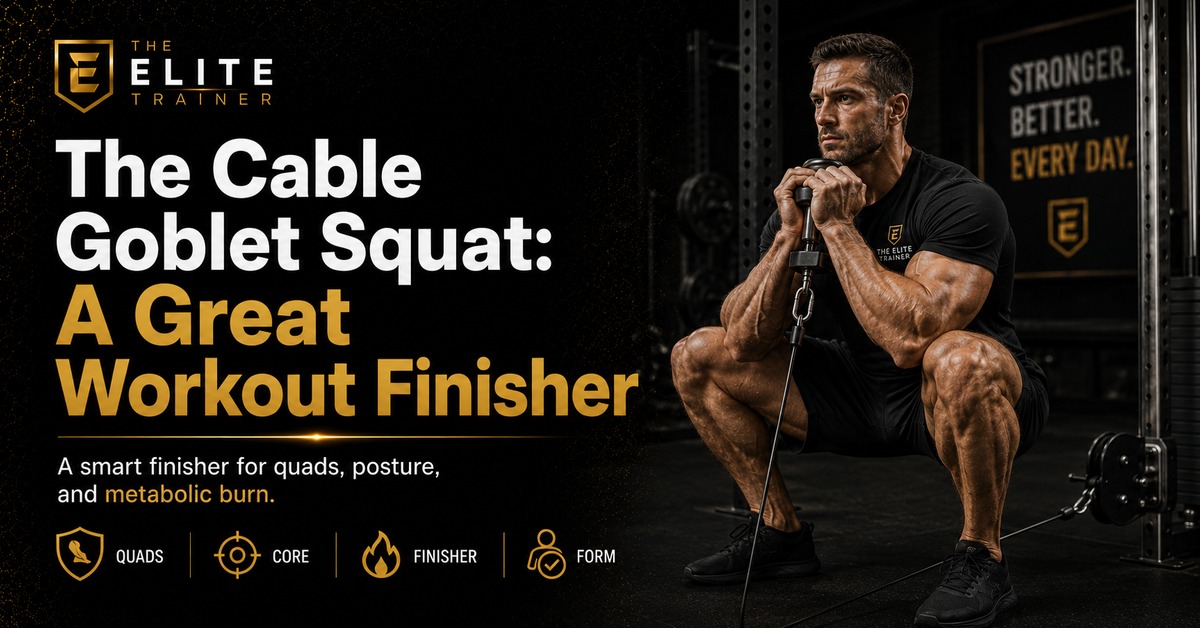
Goblet squats make excellent finishers, but heavy dumbbells can be awkward when fatigue hits. A cable setup keeps the load stable and lets you push the legs hard with less hassle.
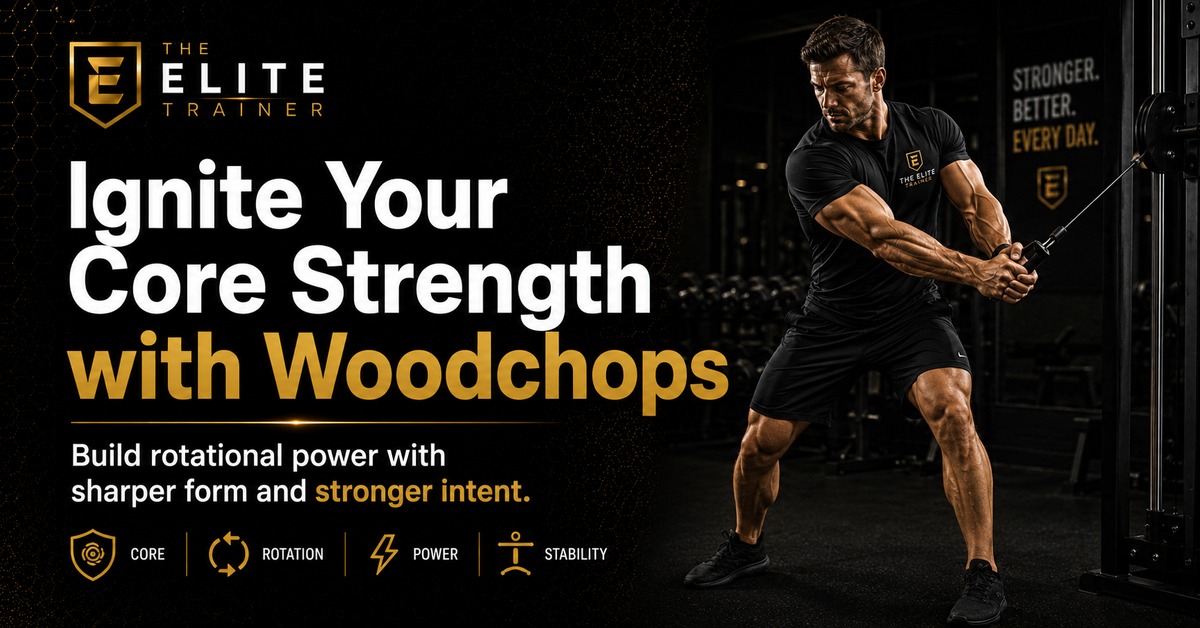
Rotational strength belongs in a complete core program. Cable woodchops train the abs, obliques, hips, and shoulders through a functional pattern that carries beyond standard crunches.
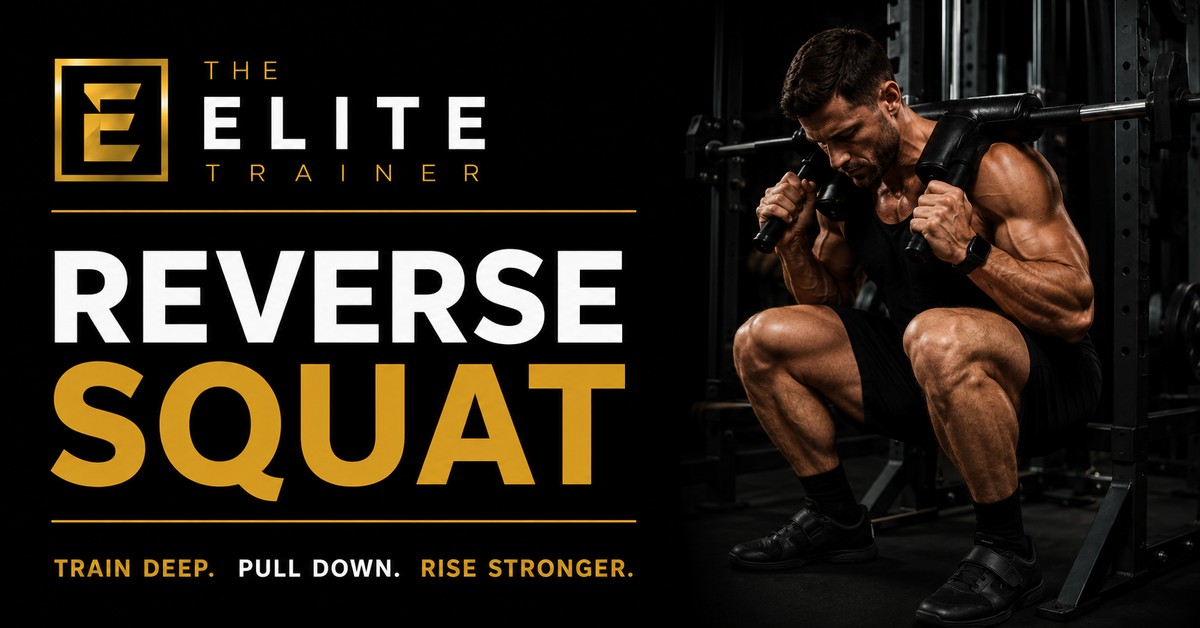
Squatting deep requires more than just trying to drop lower. The reverse squat teaches you to pull into the bottom position and strengthen the muscles that support full-range squatting.
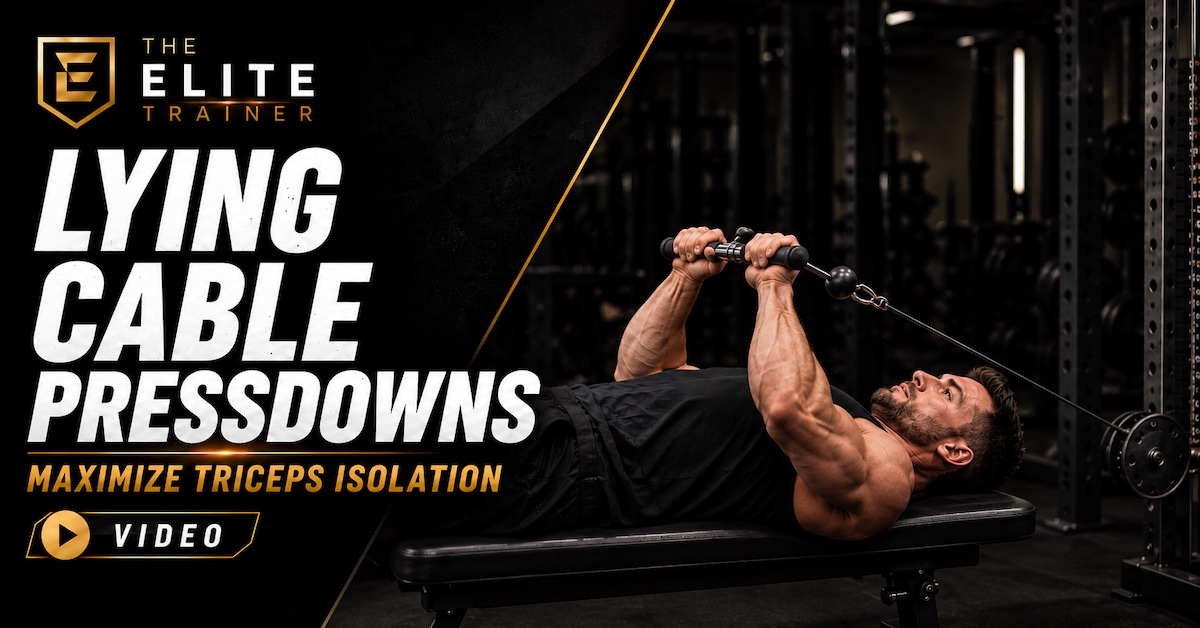
Standing pressdowns often become a full-body heave. Lying cable pressdowns strip out the body English so the triceps have nowhere to hide.
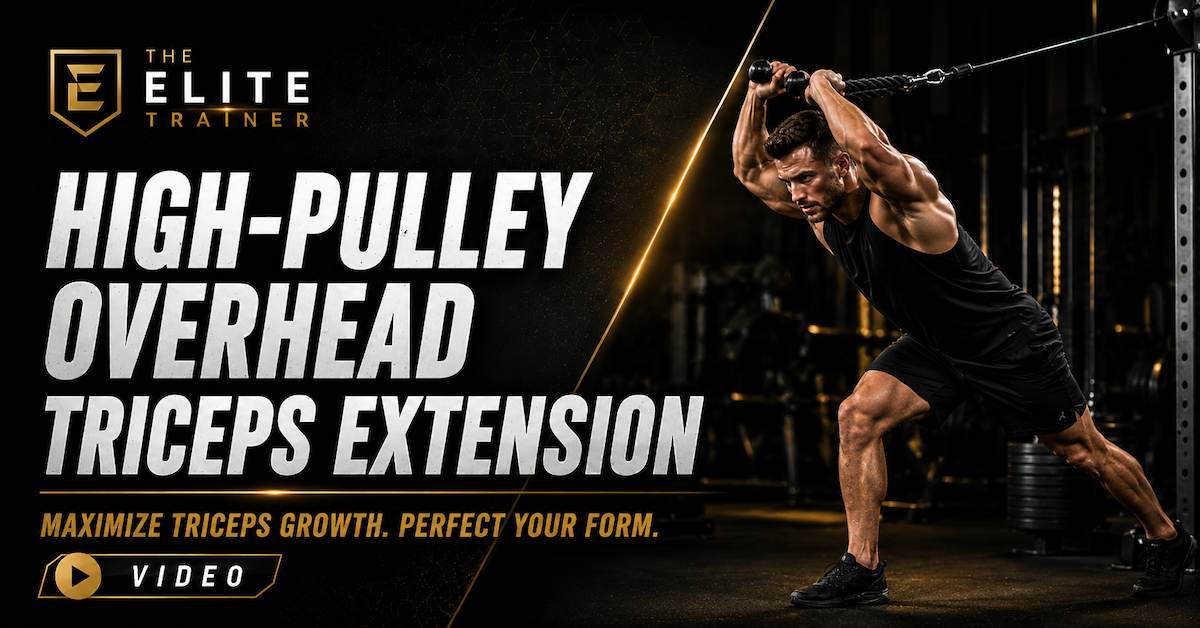
The high-pulley overhead triceps extension uses a bent-over lunge setup, rope attachment, and full stretch-to-contraction path to hammer the triceps without the usual sloppy pressdown mechanics.

Low-pulley knee-ins line up resistance more intelligently than holding a weight between the feet. John Paul shows three cable-based options for loading the abs and hip flexors with better direction of force.
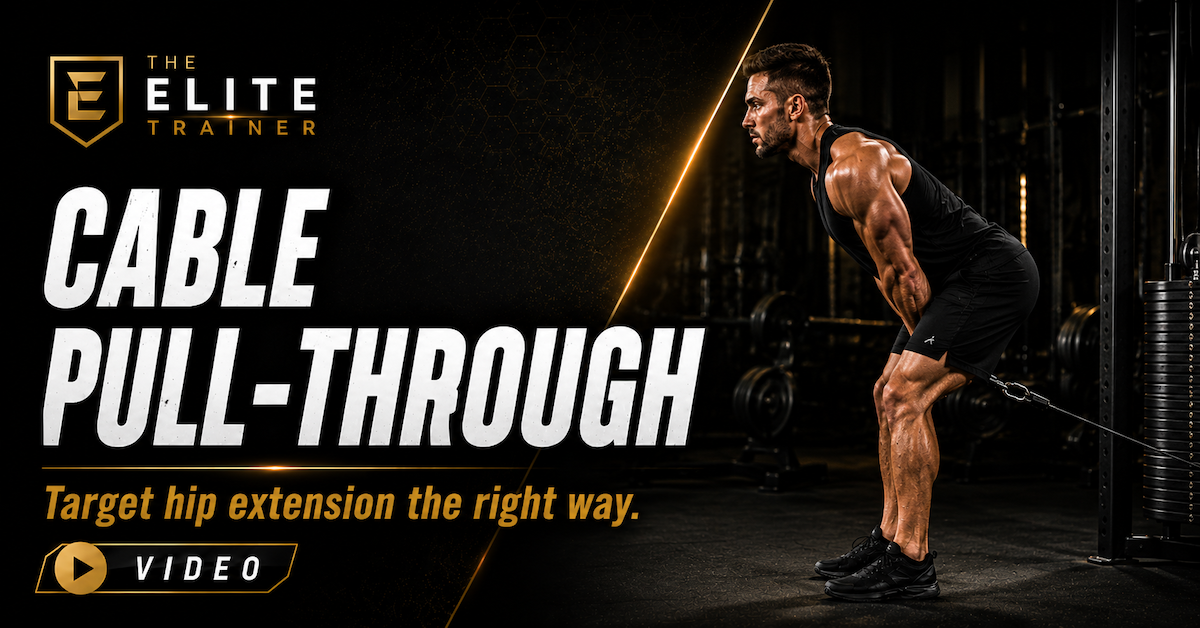
The cable pull-through can be useful for training the hip extensors, but many clients turn it into a back-extension and arm-pulling exercise. This clip shows why coaching the setup matters.