

Abdominal hollowing may look neat in theory, but heavy lifting needs real bracing. Learn why a stronger core strategy can improve stability when the weight gets serious.
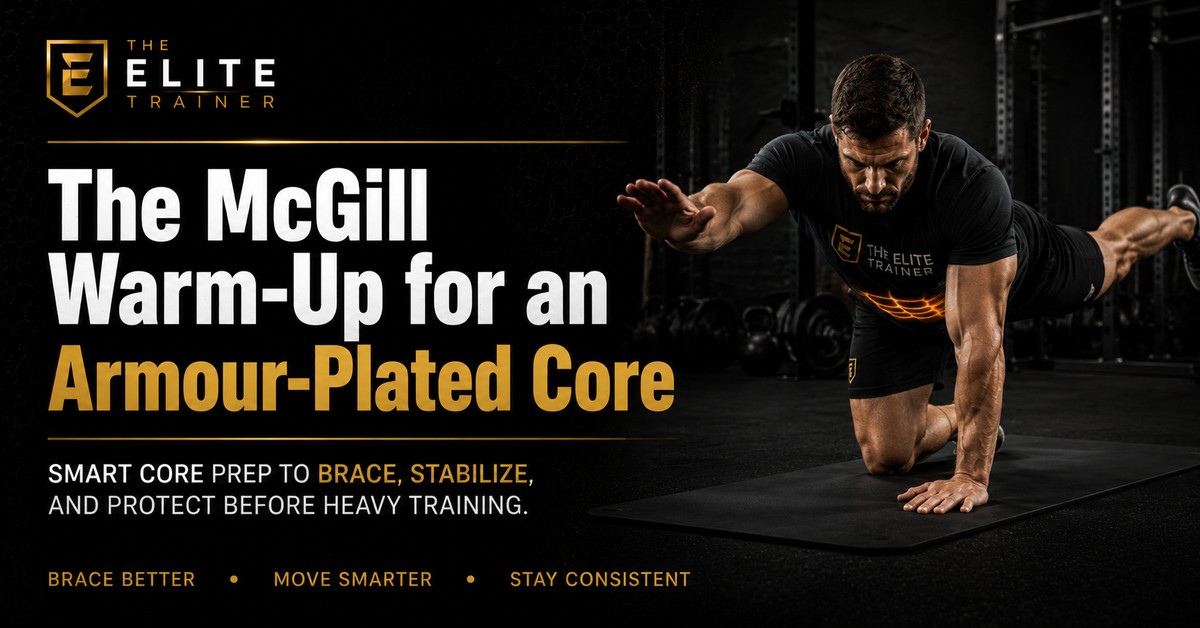
Heavy lifting demands a core that can brace, stabilize, and protect the spine. The McGill-inspired warm-up brings together proven trunk exercises to prepare the body for serious training.
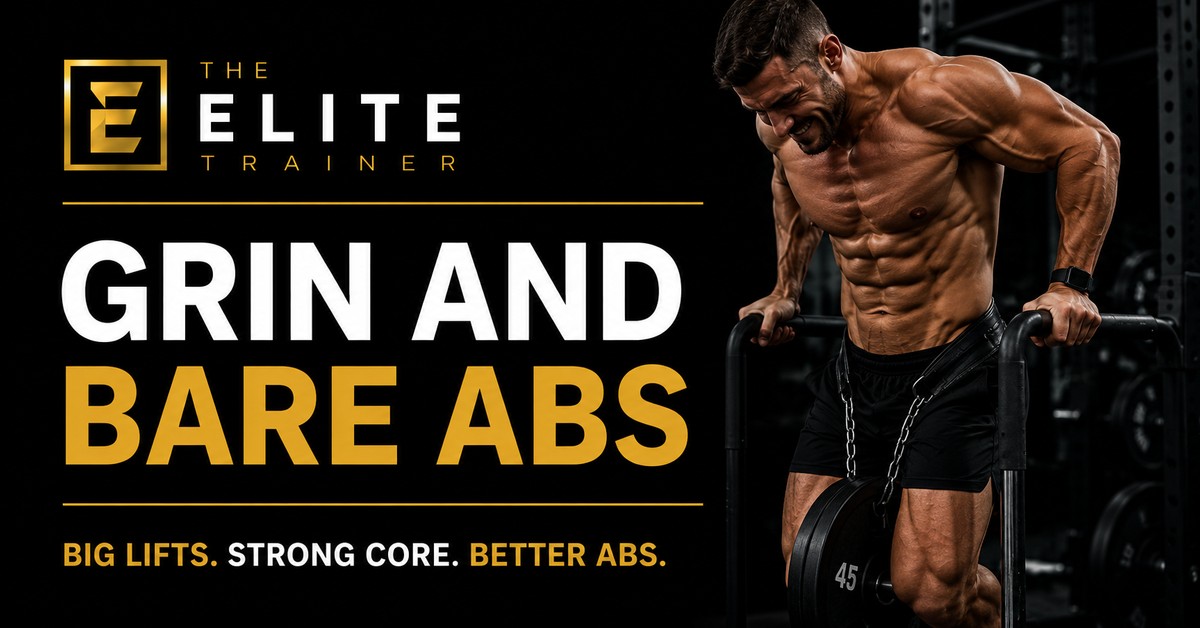
Weighted pull-ups and dips do more than build the upper body. Used with strict form, these big movements force the abs to stabilize hard and can deliver a serious core-training effect.

Hip isolation work can sharpen the muscles that support squatting, sprinting, jumping, and lower-body control. Keep it strict, controlled, and brutally honest.
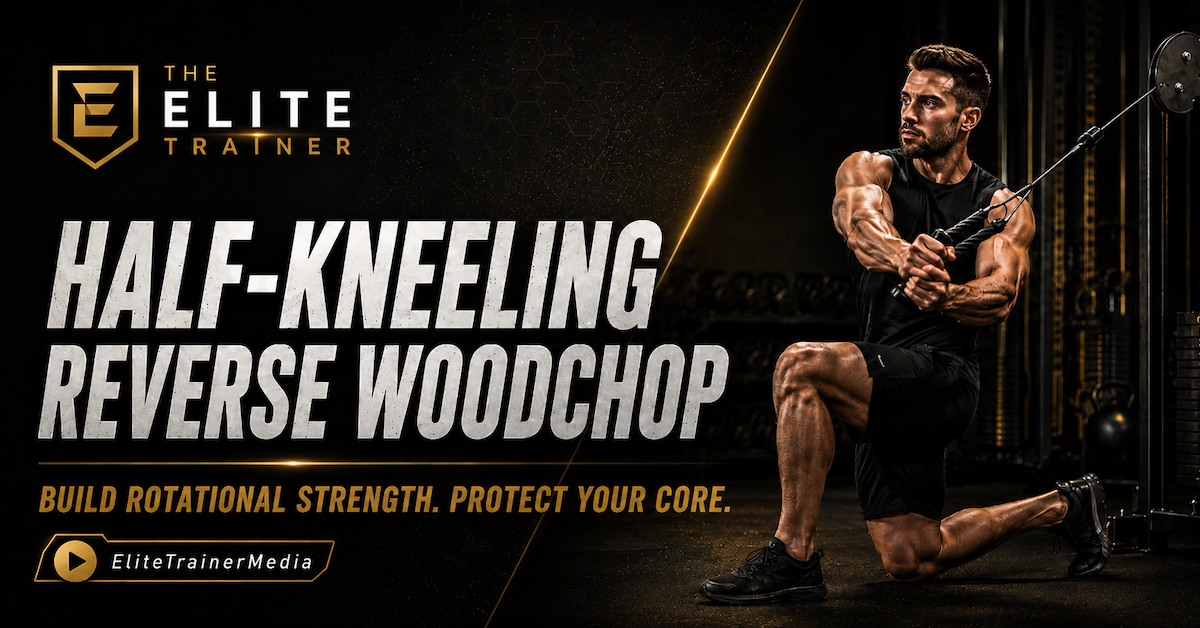
The half-kneeling reverse woodchop trains rotational strength and core stability without turning the lower back into the victim. No cable station? A dumbbell can still get the job done.

Revisit the most popular articles from 2019, from bodyweight training and chin-ups to fasting, core stability, injury recovery, and smarter strength work.
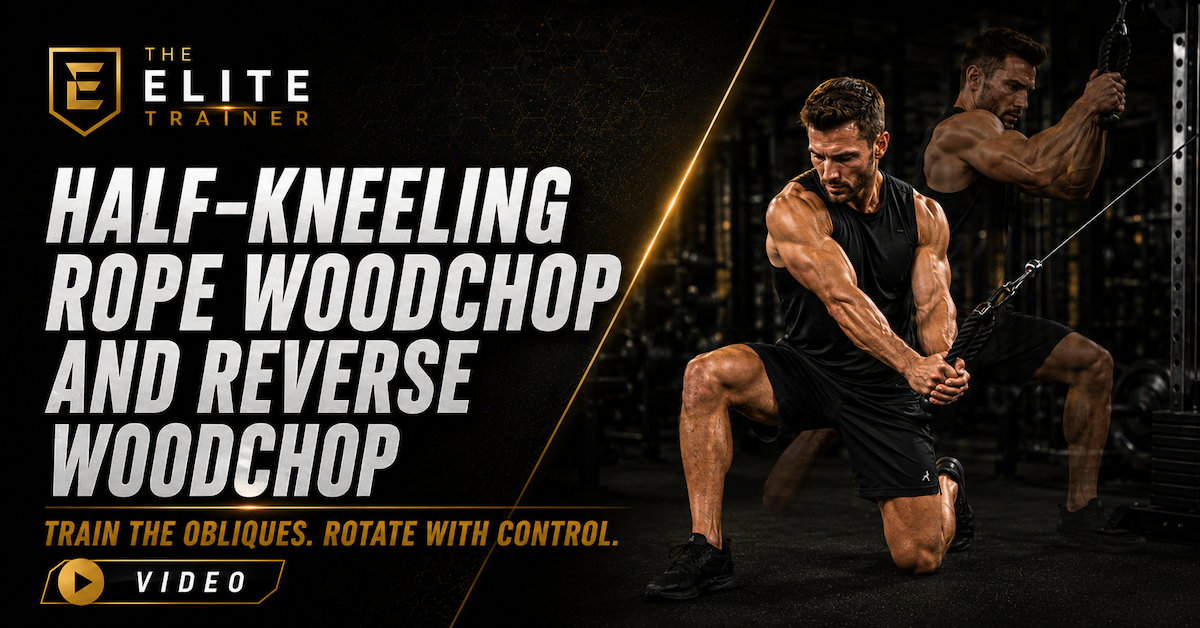
Half-kneeling rope woodchops train the obliques while encouraging a stable, spine-friendly core position. The reverse woodchop adds variety and challenges control through a different diagonal pattern.

Planks don’t need to mean endless static holds. These three tougher core options add challenge, variety, and more productive tension to your ab training.
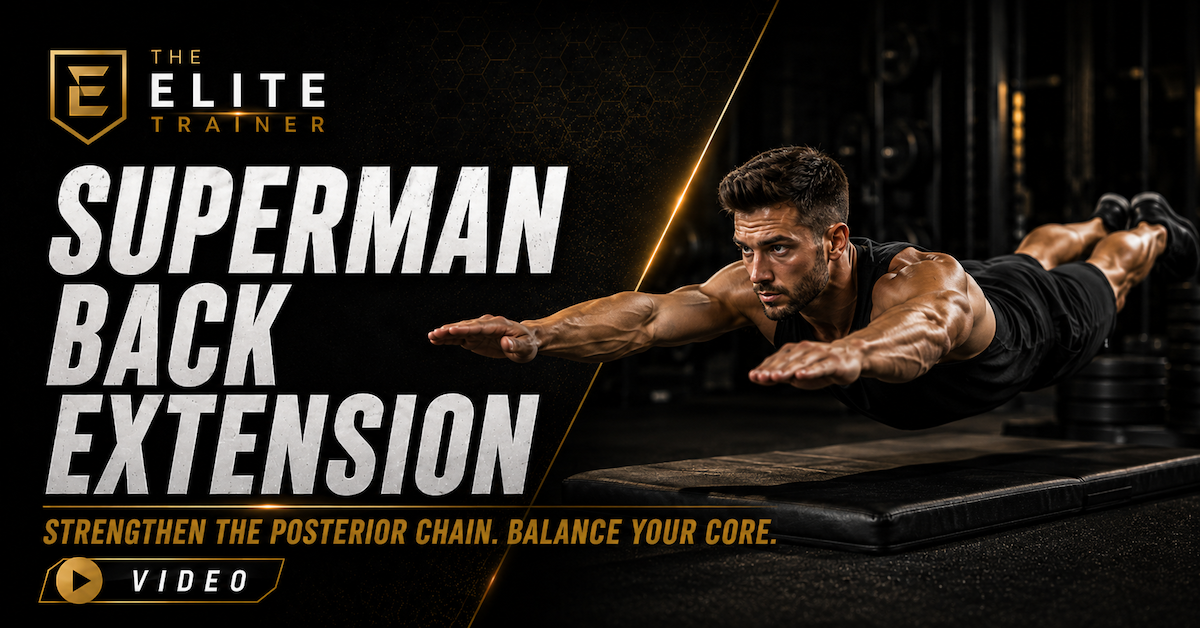
The Superman Back Extension trains the posterior chain as a strong counterbalance to abdominal work. Performed on a hyperextension bench or GHR, it challenges the spinal erectors, glutes, and upper-back control.

The Reclining Field Goal is a unique abdominal exercise built around contraction, control, and precision rather than endless reps. John Paul introduces the movement through Nelson Montana’s unconventional approach to ab development.