
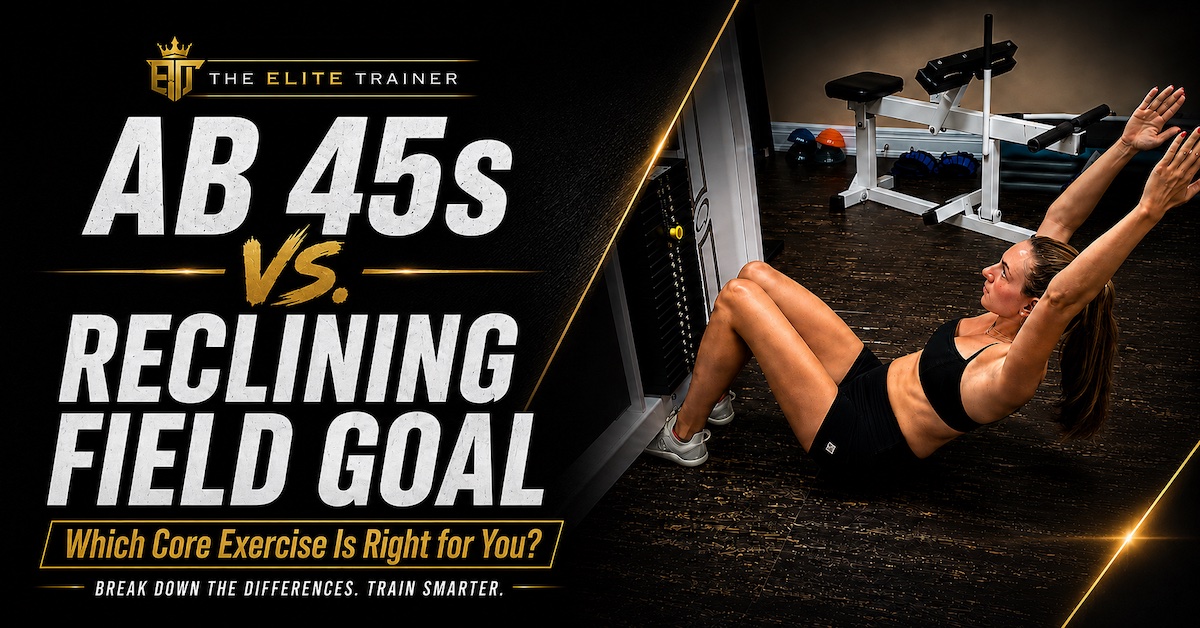
Ab 45s and the Reclining Field Goal may look similar, but they create very different core-training demands. Discover which exercise places greater emphasis on the hip flexors, which is easier to scale, and how to choose the right one for your goals.
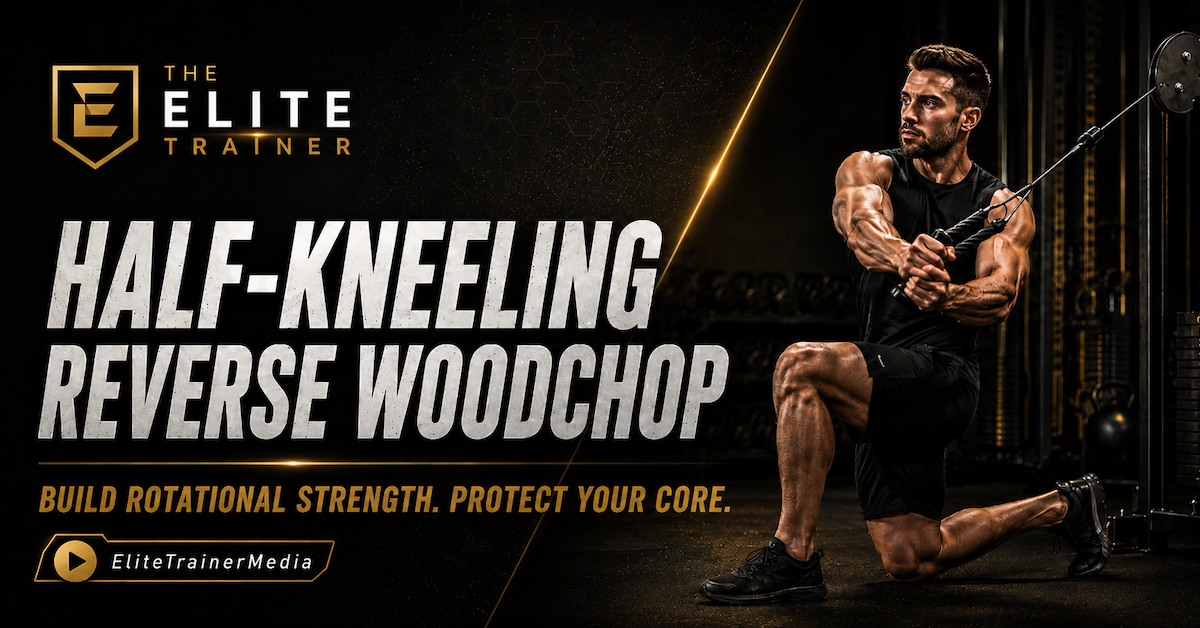
The half-kneeling reverse woodchop trains rotational strength and core stability without turning the lower back into the victim. No cable station? A dumbbell can still get the job done.

Neuro-Grip Push-Ups add serious instability to a standard push-up. The result is a tougher challenge for the wrists, forearms, shoulders, and core—plus a quick way to expose weak links.

Planks don’t need to mean endless static holds. These three tougher core options add challenge, variety, and more productive tension to your ab training.
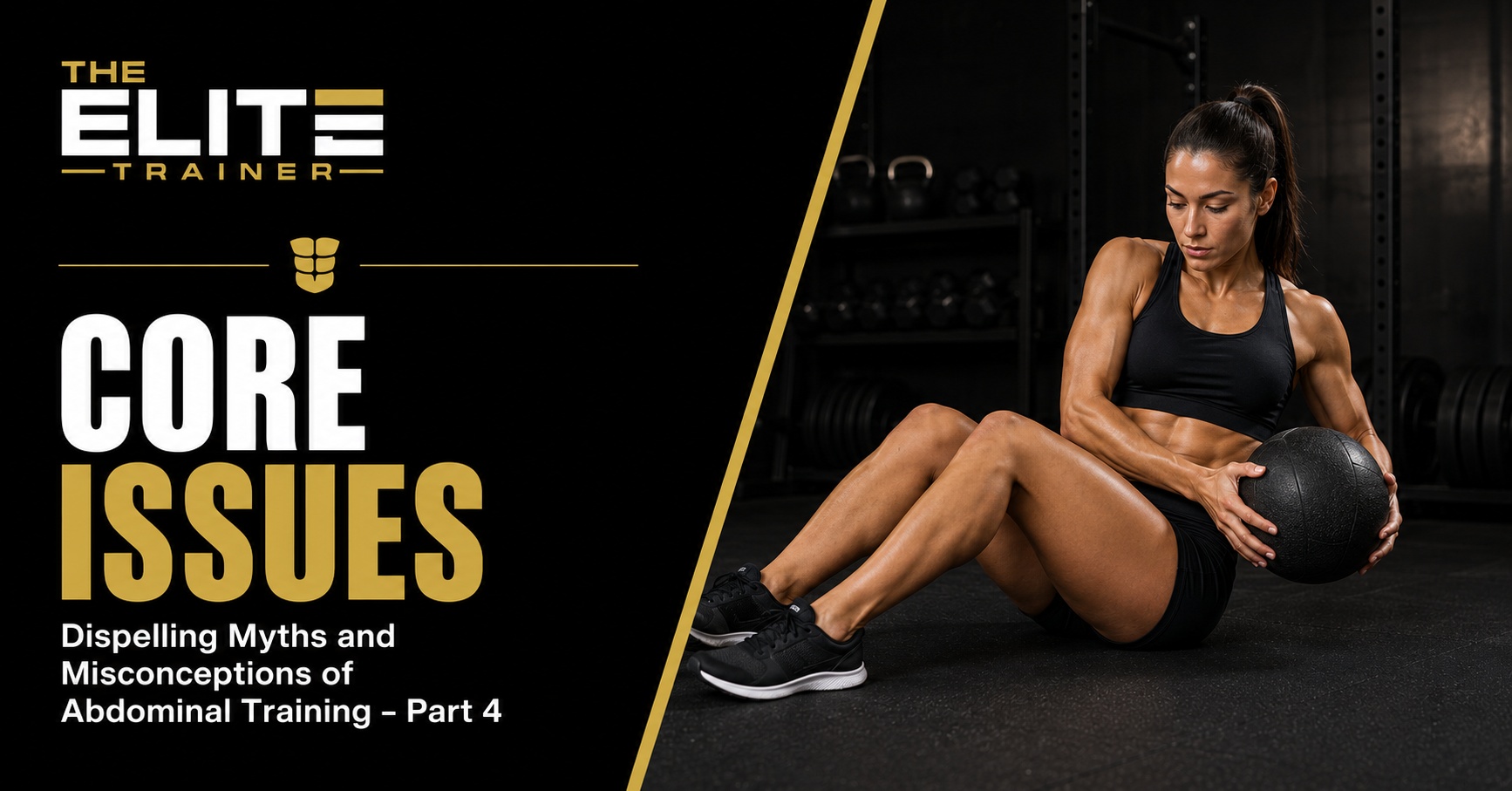
Drawing in your navel during exercise may not be the protective strategy many believe it is. Part 4 explains why bracing, stability, and proper core tension matter under load.

Heavy compound lifts may build more abdominal strength than most people realize. Part 2 explains why squats, deadlifts, pull-ups, and overhead presses deserve a place in serious core training.

Everyone wants better abs, but most core training advice is buried under myths. Part 1 launches a five-part series that challenges common assumptions about abdominal training.

Counting reps is not always the best way to control training. Part 1 shows where rep targets still make sense, especially for certain core drills.

Leg raises and leg lowers may look similar, but the starting position changes the training effect on the core.
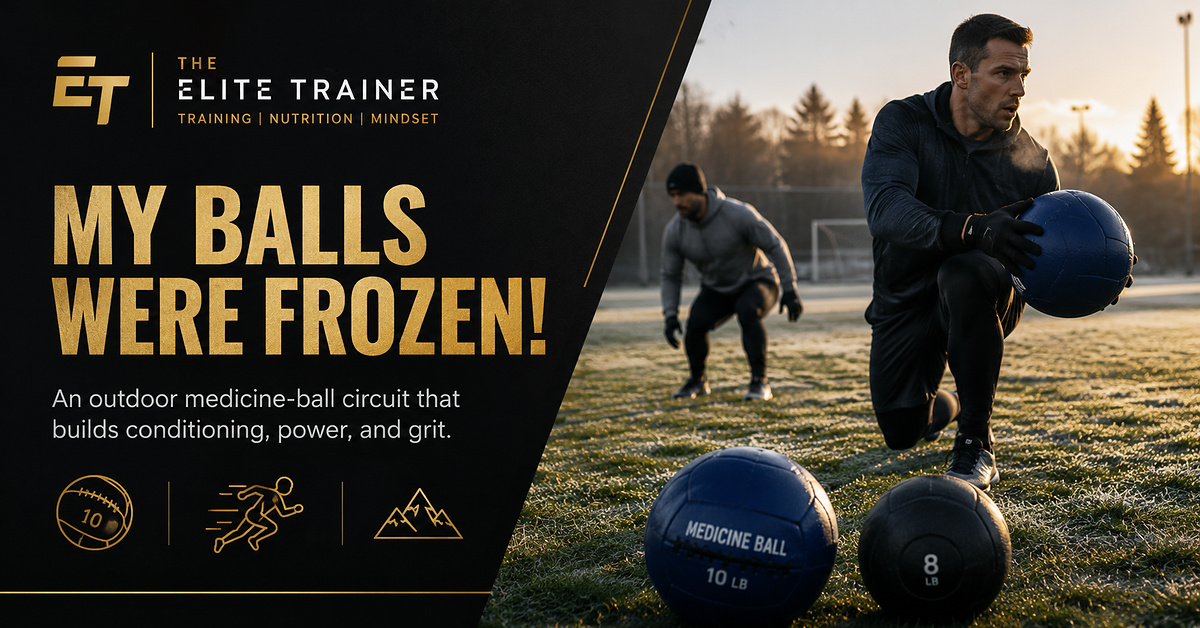
Outdoor medicine-ball circuits bring conditioning, power, and a serious dose of discomfort together in one gritty workout. Throws, sprints, and fresh air can beat another boring cardio session.