

Balance training has value, but unstable-surface gimmicks can backfire—especially as clients age. The smarter question is whether the risk matches the reward.

Training couples can work when the program respects two different bodies, histories, and goals. Smart modifications let clients train together without forcing identical workouts.

Starting every unilateral exercise with the weak side is common advice, but it is not the only option. Testing both approaches can reveal whether weakness or nervous-system potentiation matters more.

Bands and tubes are portable, affordable, and useful—but they are not magic. Part 1 breaks down where elastic resistance shines, where free weights still rule, and how trainers can choose the right tool.
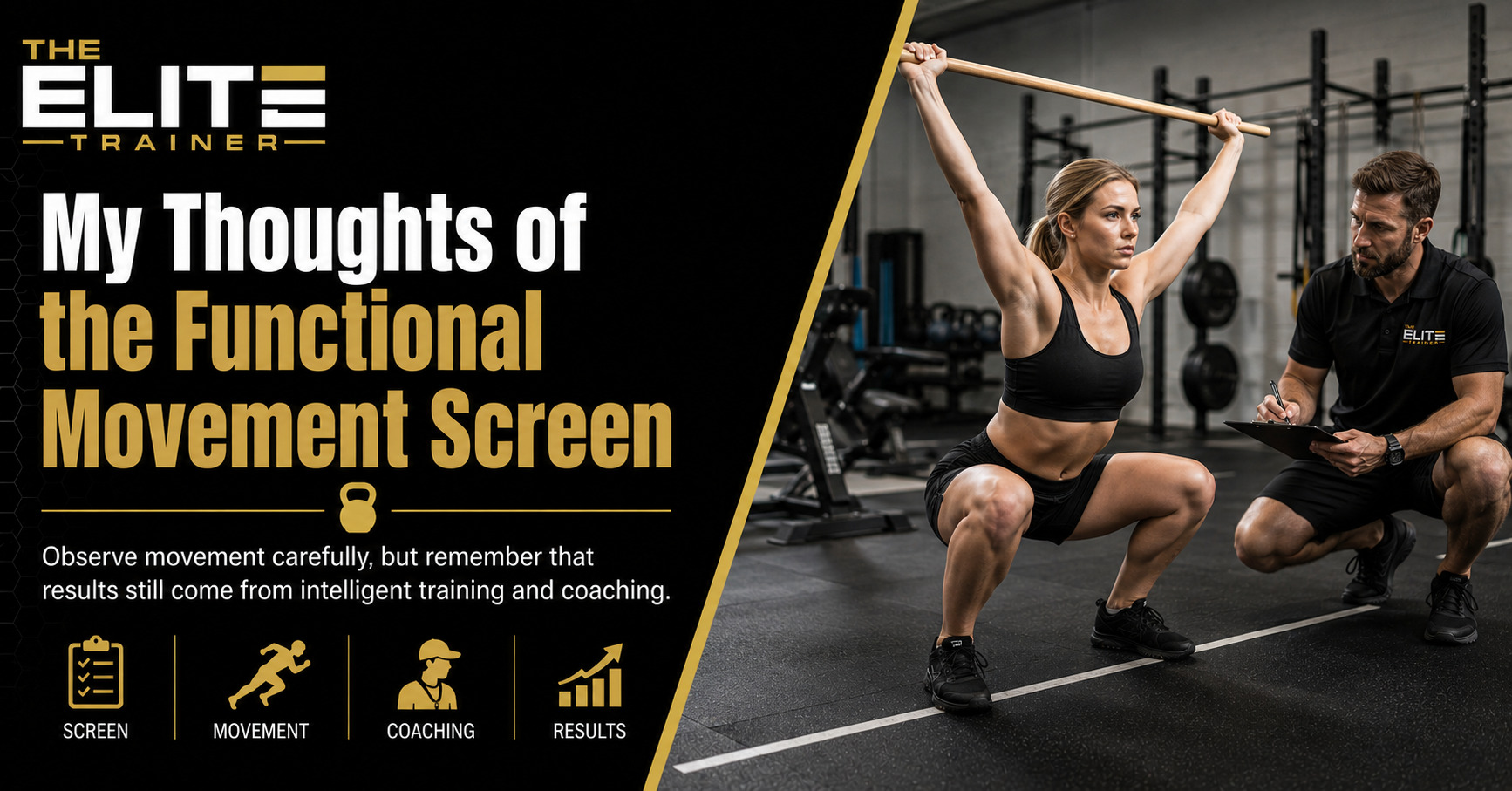
The Functional Movement Screen has value, but it is not the final word on movement assessment. John Paul offers a practical take on when assessments help, when they waste time, and how trainers should think for themselves.

Counting reps is not always the best way to control training. Part 1 shows where rep targets still make sense, especially for certain core drills.
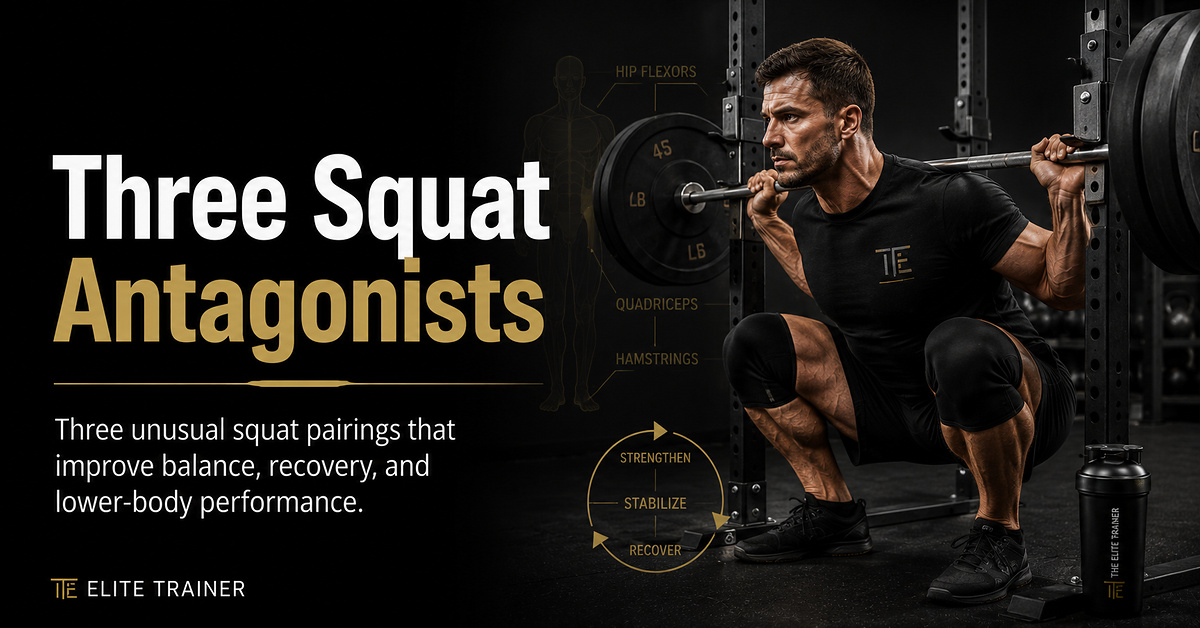
A programming article on pairing the squat with true antagonist movements. It introduces inverted squats, reverse cable squats, and reverse band squats as unconventional ways to balance heavy lower-body training.

A quick look at why stretching frequency matters, with two practical ways to build mobility work into the day instead of treating it like an occasional afterthought.

Explore selected training excerpts from The Elite Trainer, including sequence rotation, program rotation, unilateral training, and advanced body-composition programming for serious strength-training progress.