
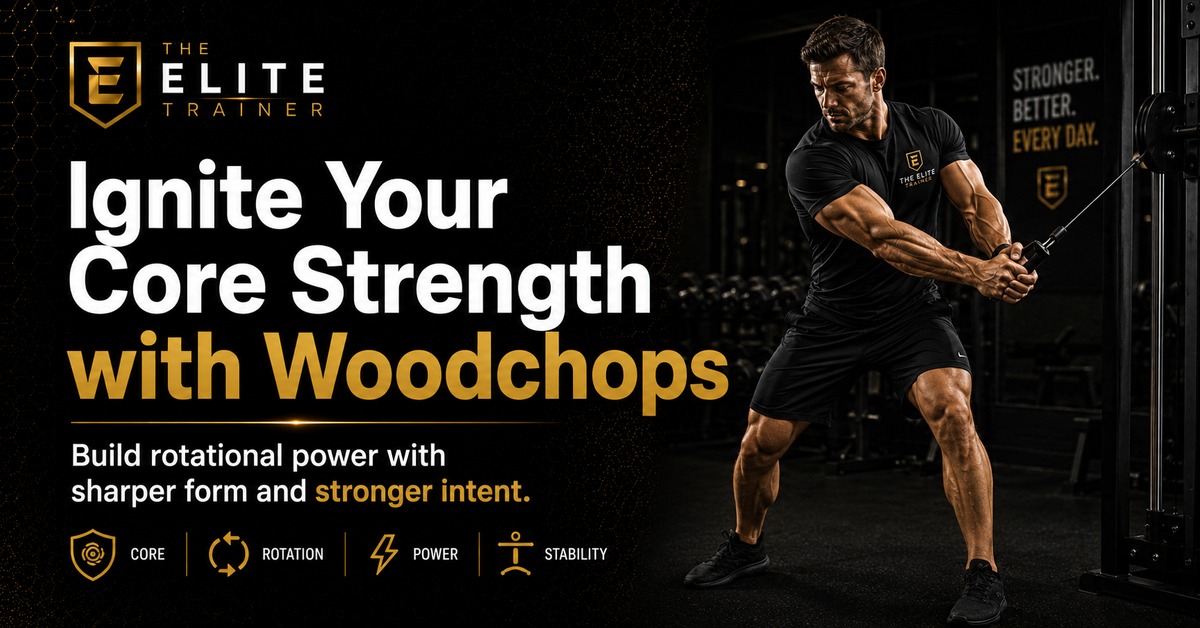
Rotational strength belongs in a complete core program. Cable woodchops train the abs, obliques, hips, and shoulders through a functional pattern that carries beyond standard crunches.
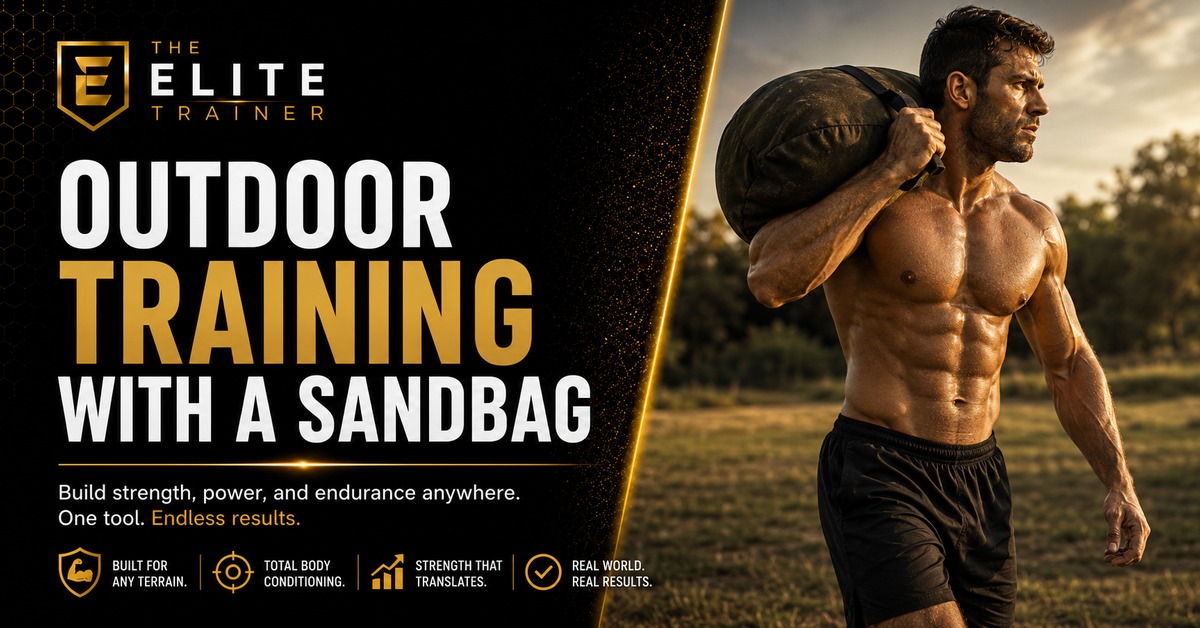
Sandbags turn outdoor training into a full-body challenge for strength, stability, grip, and conditioning. The equipment is simple, but the training effect is anything but.
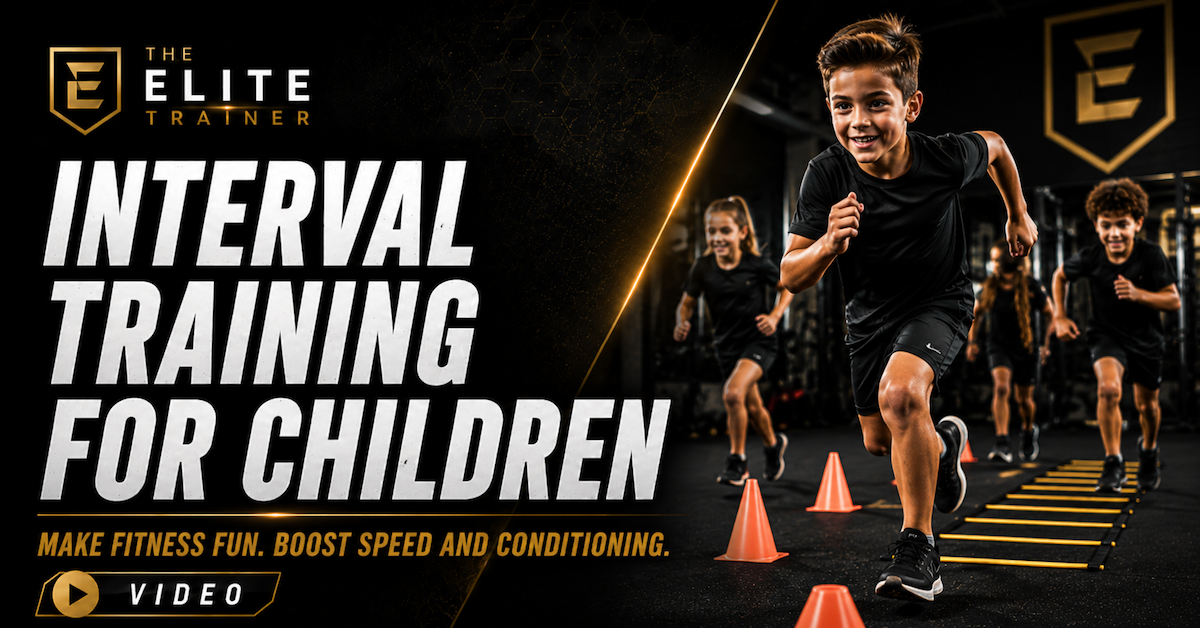
Kids train harder when exercise feels like play. Obstacle-course style intervals can build fitness, coordination, and positive movement habits without turning training into punishment.
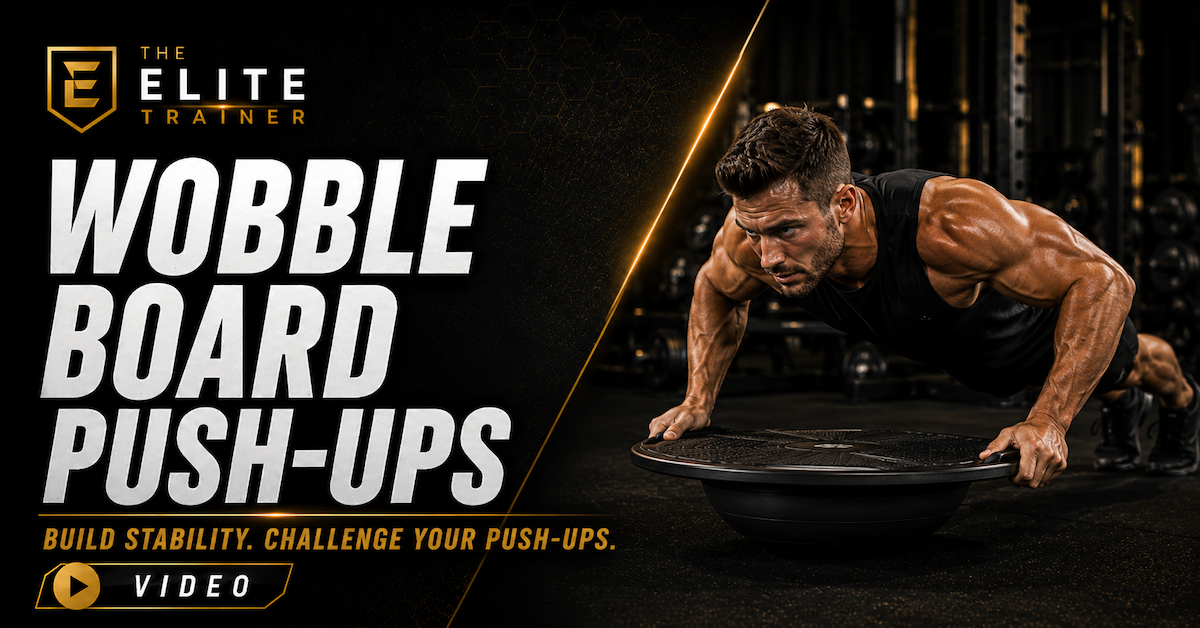
Wobble board push-ups turn a familiar bodyweight exercise into a demanding stability challenge. With elevated feet and a weighted vest, this variation tests pressing strength, core control, and full-range push-up mechanics.
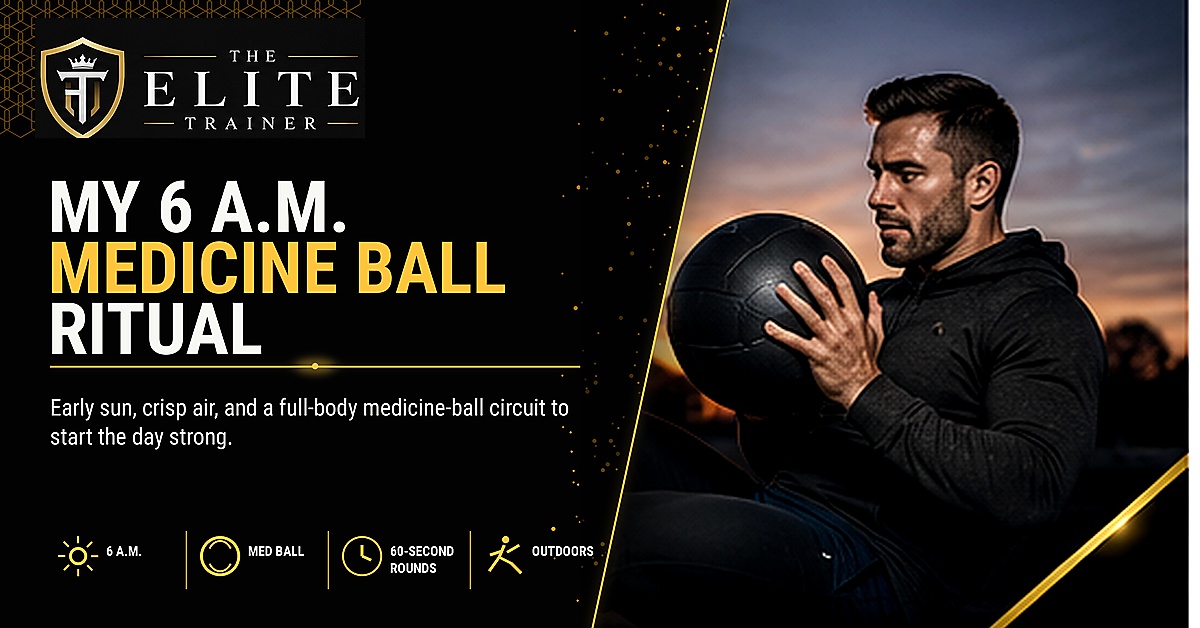
Early-morning medicine ball circuits bring conditioning back to something raw, simple, and brutally effective. Six movements, fresh air, and no fancy equipment required.

A challenge to lazy health-and-fitness thinking, pushing readers to question trends, traditions, and advice that no longer holds up under scrutiny.
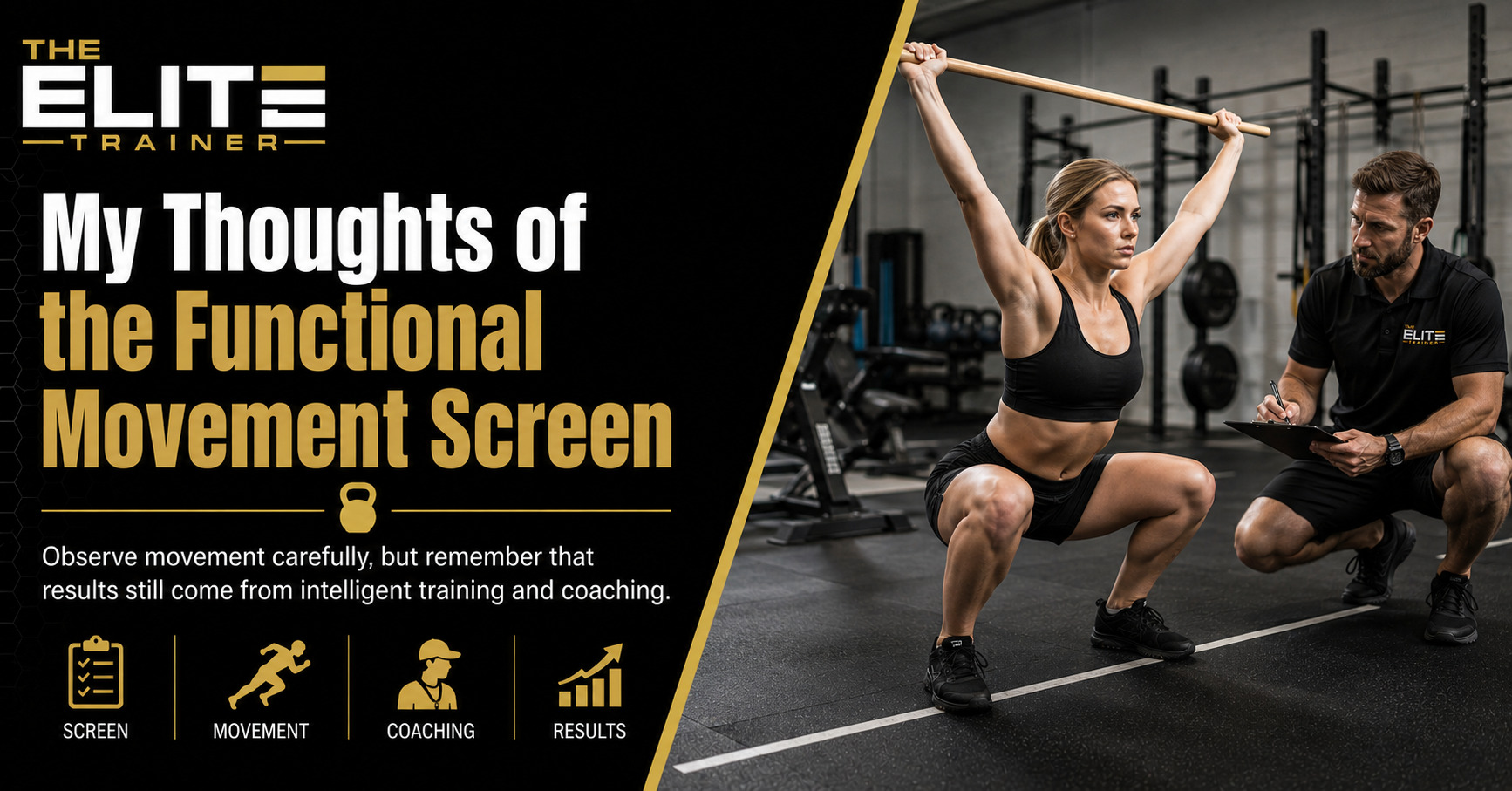
The Functional Movement Screen has value, but it is not the final word on movement assessment. John Paul offers a practical take on when assessments help, when they waste time, and how trainers should think for themselves.

Part two brings the lesson home by contrasting real strength training with flashy Bosu-ball entertainment. The takeaway is classic The Elite Trainer: be a personal trainer, not a personal entertainer.
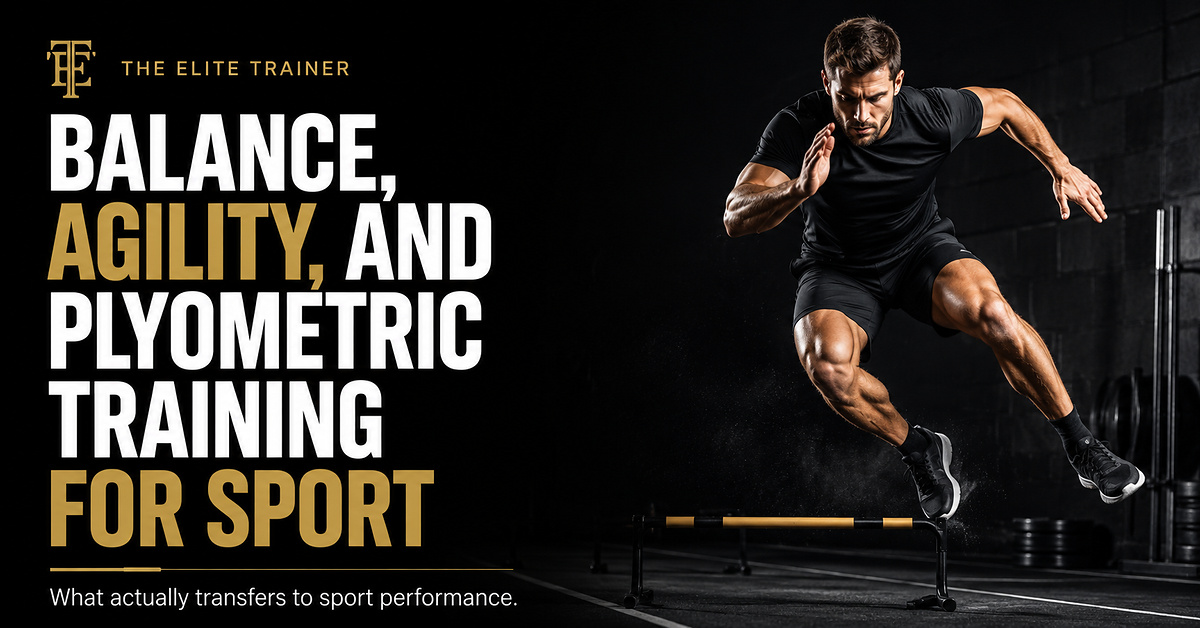
A critical look at balance, agility, and plyometric training for sport, separating what actually transfers from what just looks impressive in the gym. The article challenges trainers to prioritize performance over circus tricks.