
Happy shoulders are built by respecting the small stabilizers, not just hammering the big lifts. Add the right C-series work and your upper body training becomes more complete.
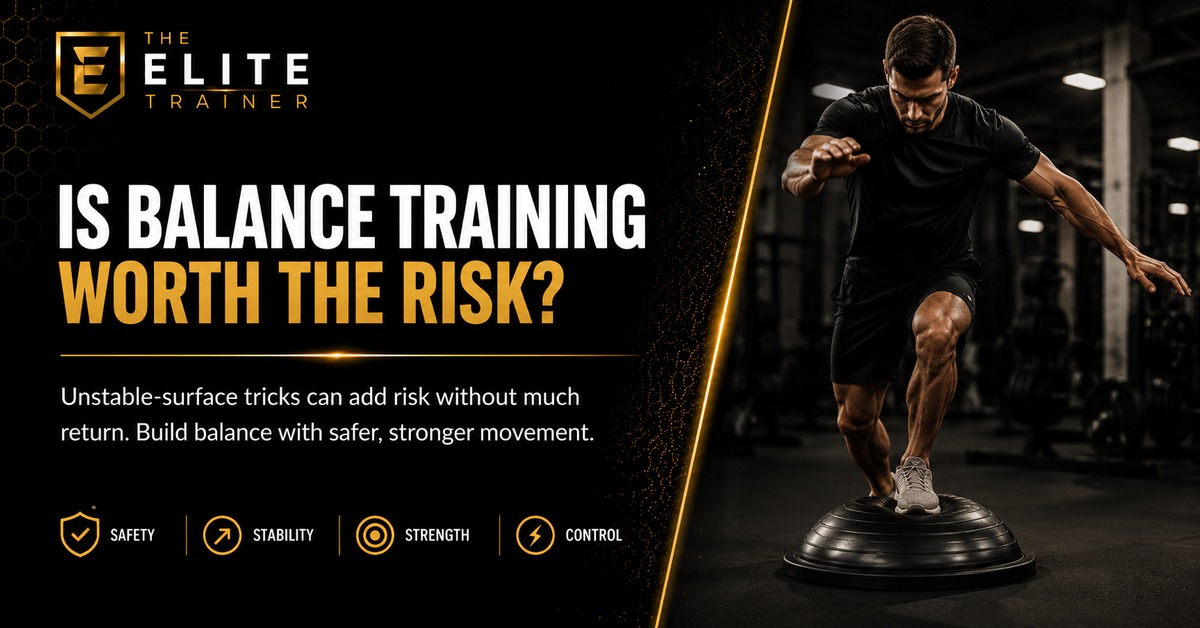
Balance training has value, but unstable-surface gimmicks can backfire—especially as clients age. The smarter question is whether the risk matches the reward.

Research moves fast, and smart fitness professionals need to keep up. January’s roundup covers stretching, foam rolling, statins, bone density, cold therapy, and other topics worth watching.
Calves get some attention, but the shins are often ignored. Pairing calf work with tibialis anterior training helps build a more balanced lower leg.

Ring dips can build serious upper-body strength, but they demand control. Master the setup and respect the risk before turning them into a high-fatigue circus act.
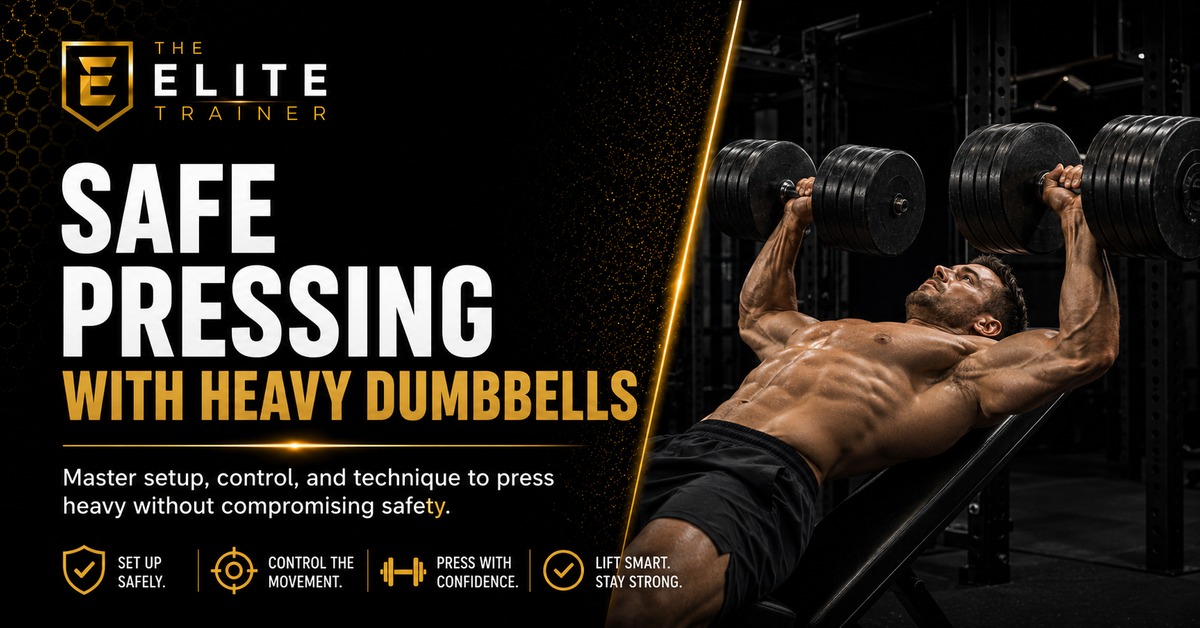
Heavy dumbbell pressing is often most dangerous before and after the set. This video shows how to get into position, finish safely, and avoid the dumbbell-dumping chaos that gets lifters hurt.
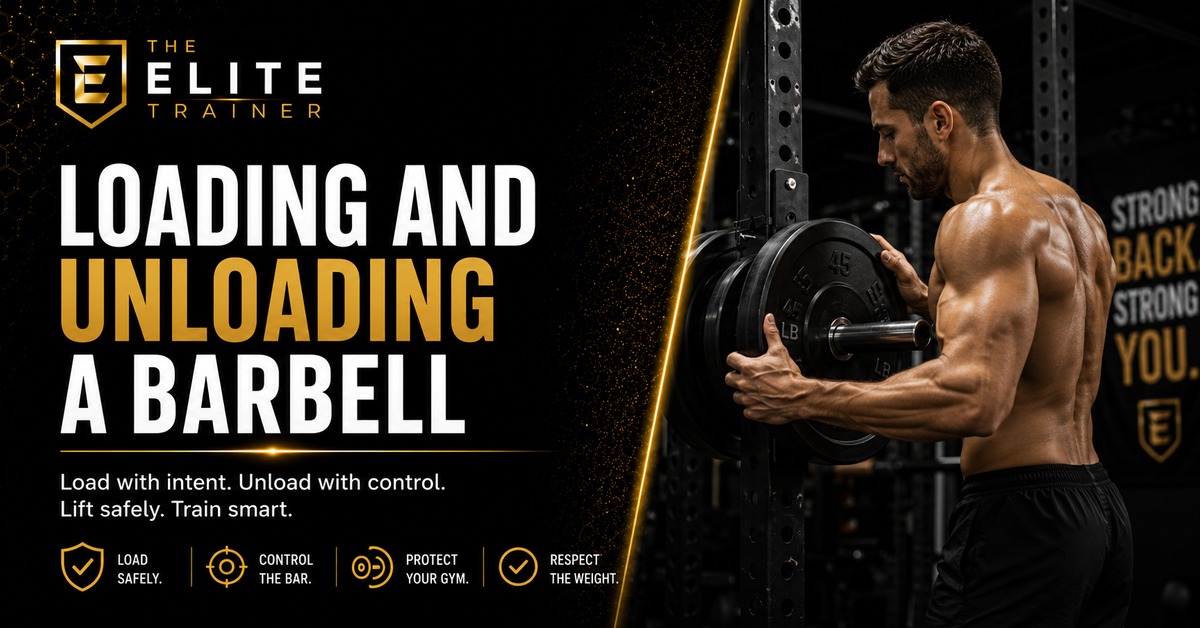
Barbell safety doesn’t end when the set is over. Loading and unloading plates the right way can prevent one of the most common gym injuries.

Pressing with flared elbows and a pronated grip can beat up the shoulders over time. A neutral-grip setup offers a smarter way to train hard.
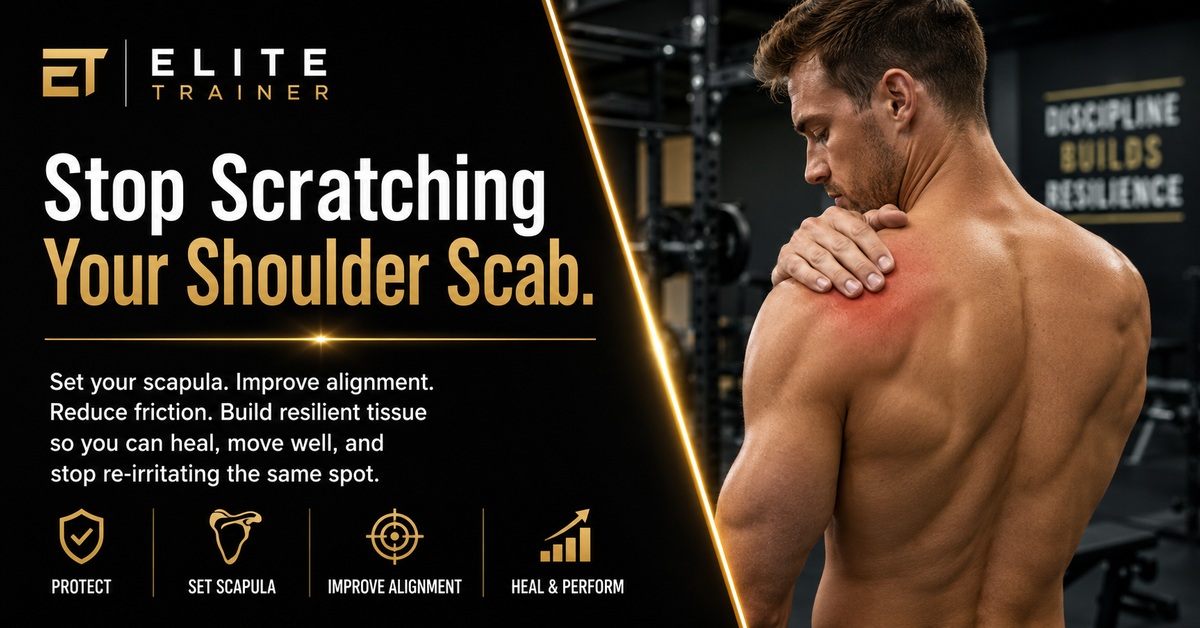
Shoulder irritation often persists because lifters keep provoking the same tissues. Stabilizing the scapula and respecting shoulder position can stop the cycle from repeating.
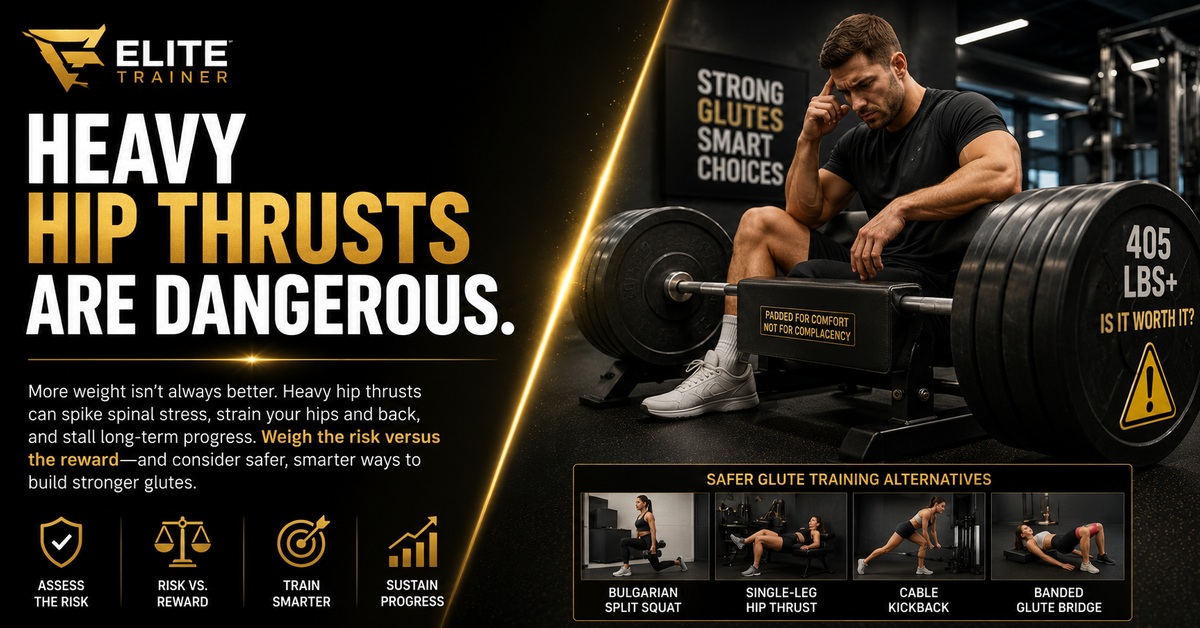
Heavy hip thrusts may carry risks that lifters rarely discuss. Nerve irritation, loading decisions, and exercise alternatives deserve a closer look before piling on weight.