
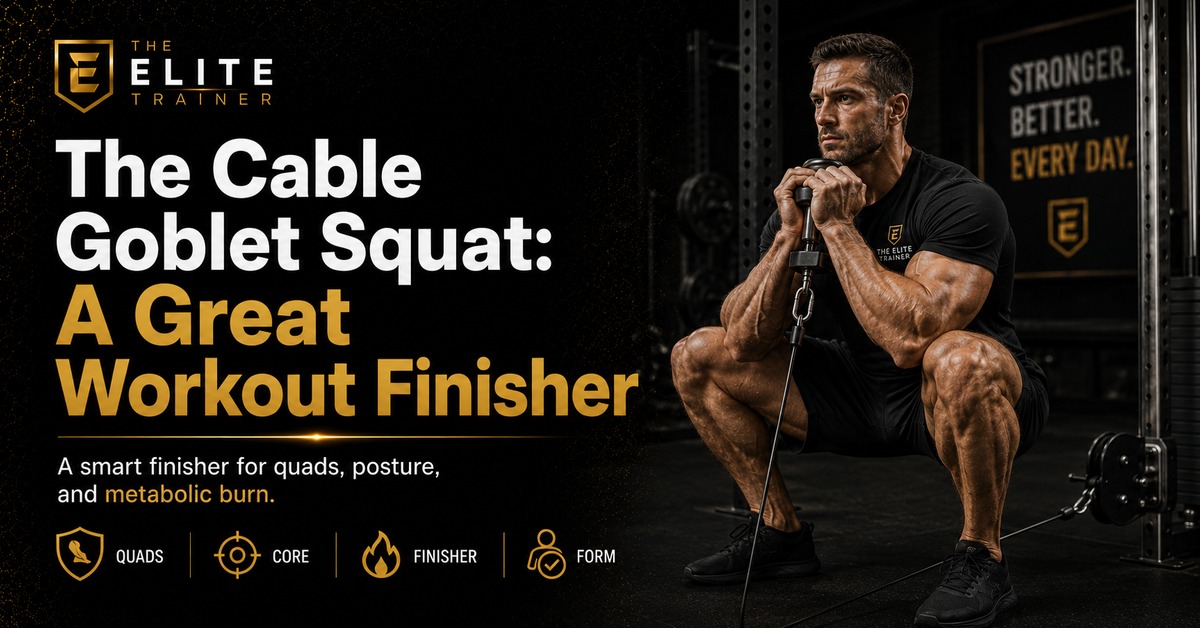
Goblet squats make excellent finishers, but heavy dumbbells can be awkward when fatigue hits. A cable setup keeps the load stable and lets you push the legs hard with less hassle.
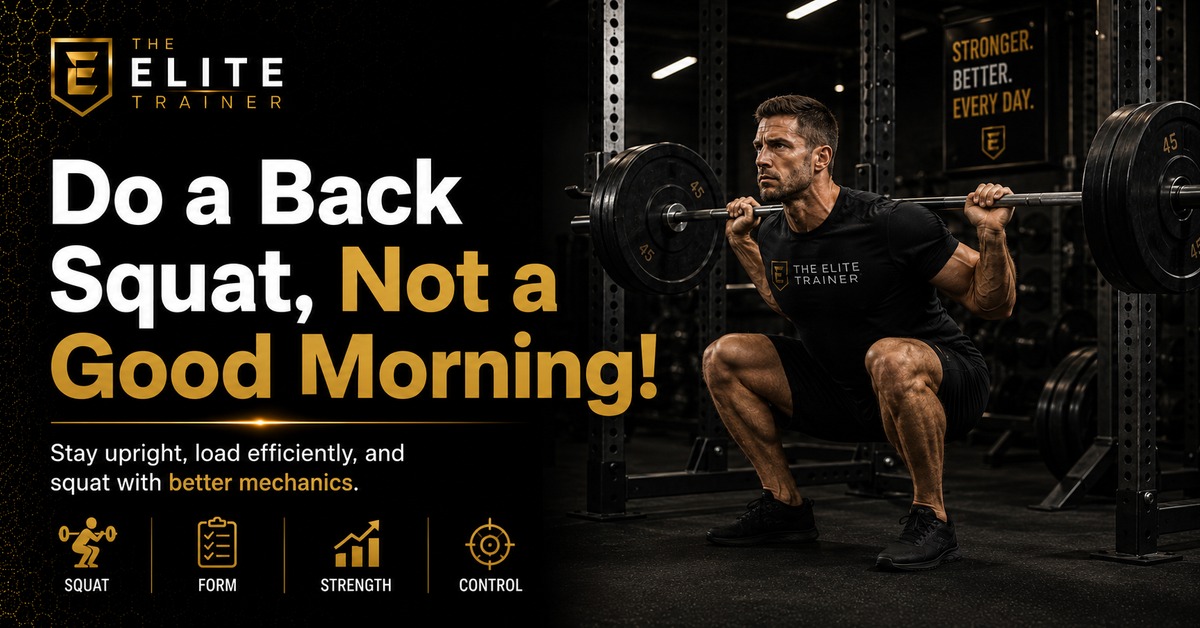
A squat is not supposed to turn into a loaded good morning. Fixing knee bend, trunk angle, and heel position can make the back squat safer and far more effective for leg development.
Twenty-rep squats hit differently at the end of a hard leg session. Done after the main work, they can build muscle, test mental toughness, and create a massive conditioning effect.
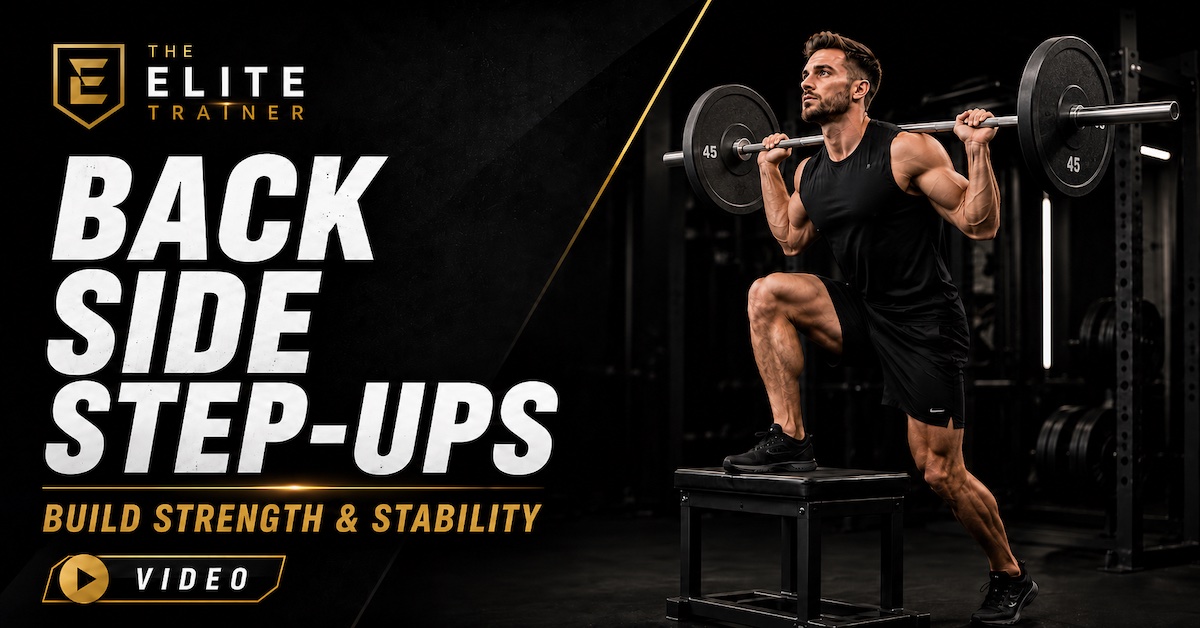
Back side step-ups demand the right step height, calf flexibility, and strict control—no hip drop, no push-off, no cheating. Height comes before load, every time.
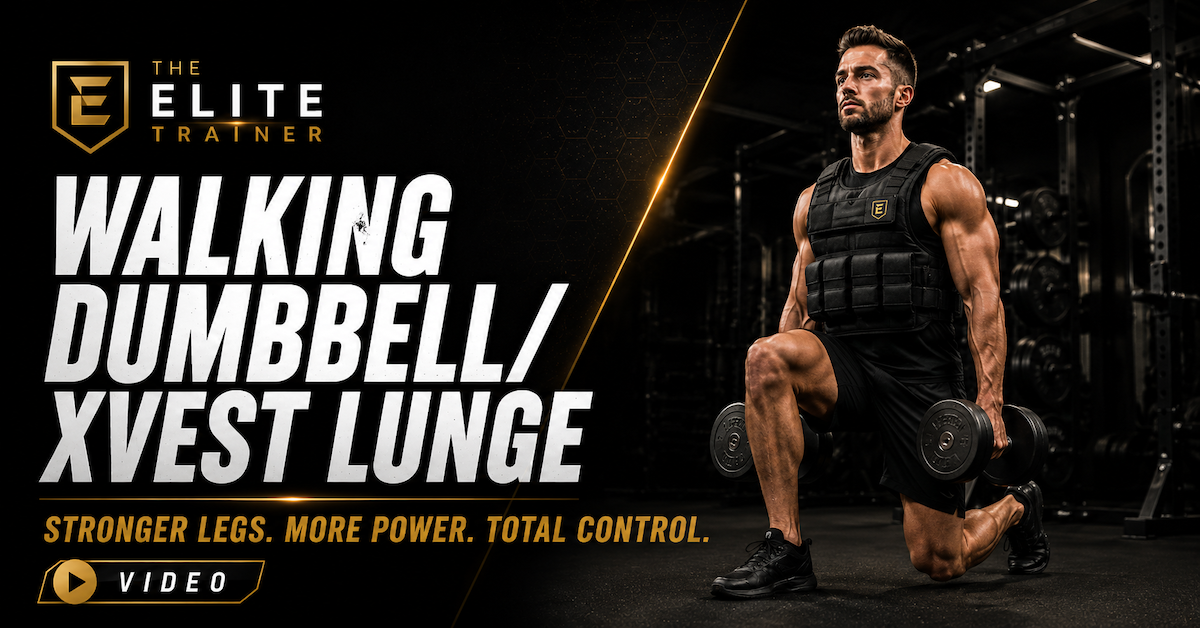
Walking lunges are excellent for body-composition work, but grip fatigue can limit the legs before they are done. Pairing lighter dumbbells with a weighted vest keeps the load high without turning it into a grip test.
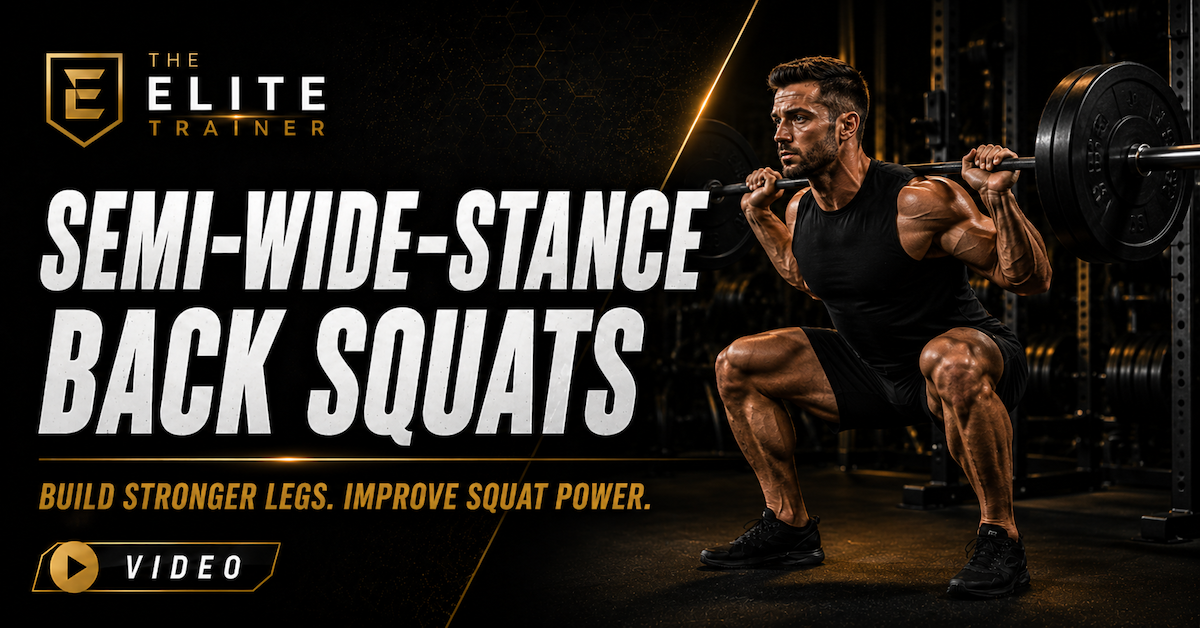
A semi-wide squat stance can shift emphasis toward the inner thighs and create a different lower-body stimulus. Stance width becomes a training tool instead of a random preference.
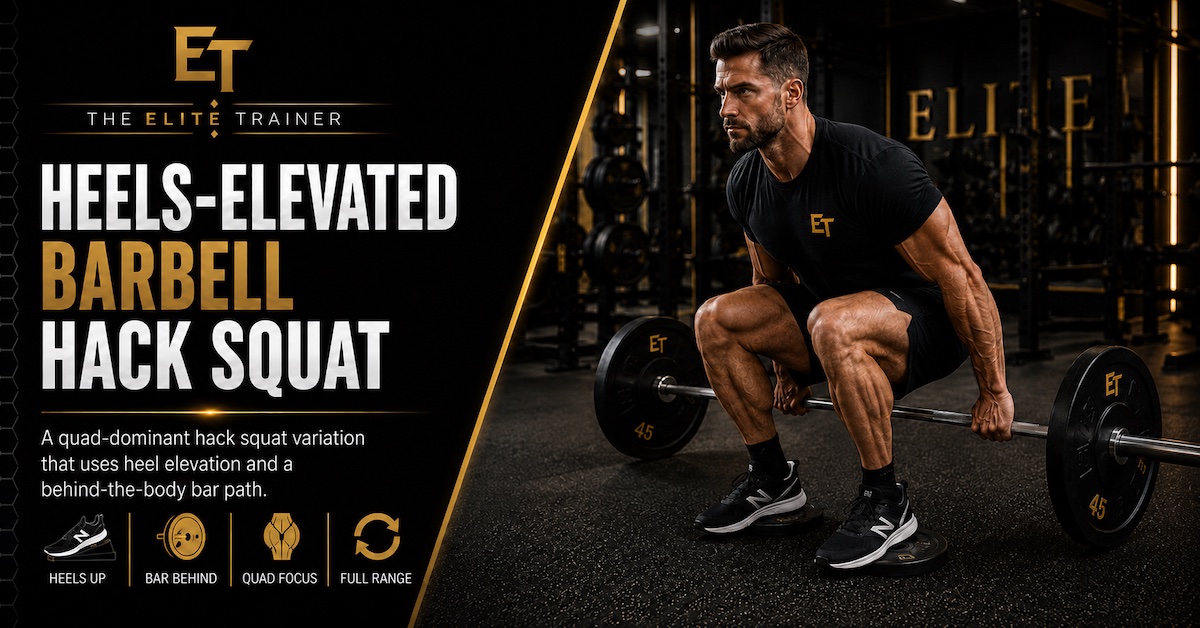
The original hack squat was not a machine exercise. This post brings back the barbell version with a heels-elevated twist for quad emphasis.
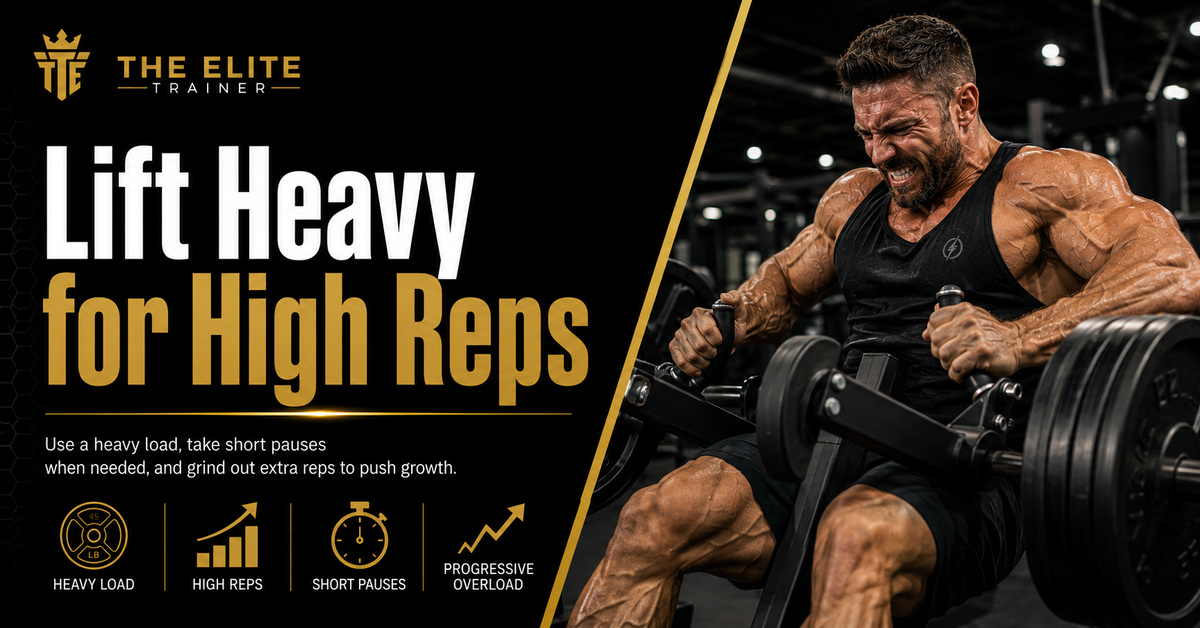
Heavy high-rep work is brutal, old-school, and effective when programmed properly. This post revisits a classic bodybuilding approach popularized by legends.
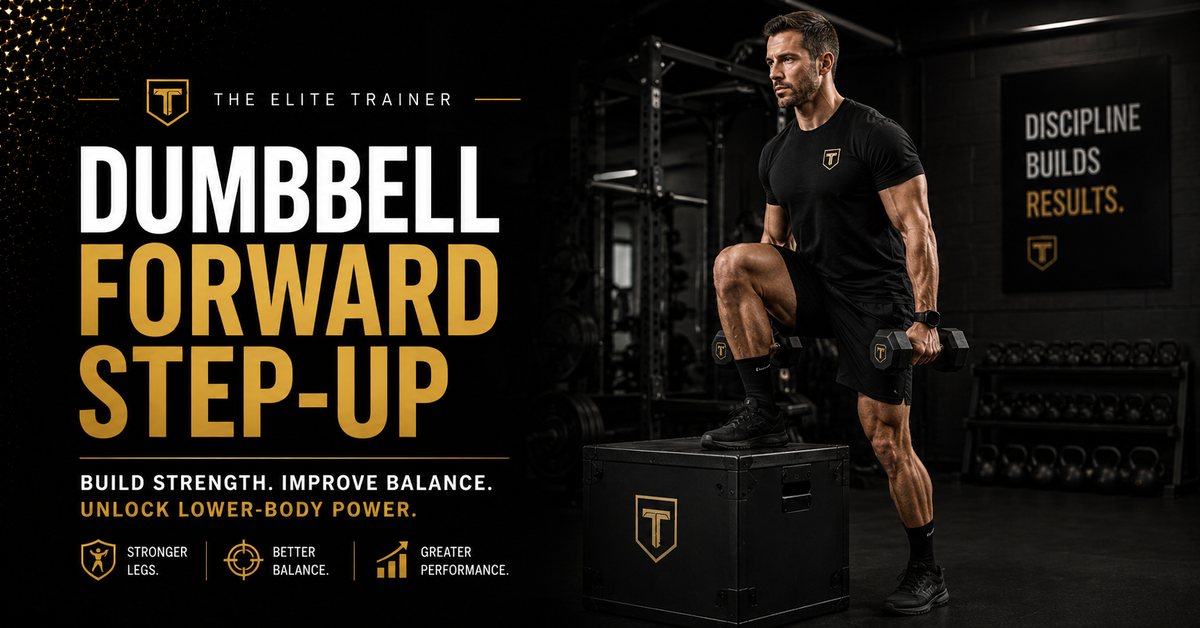
Step-ups can be more than a basic leg exercise when range of motion, box height, and loading are progressed properly.
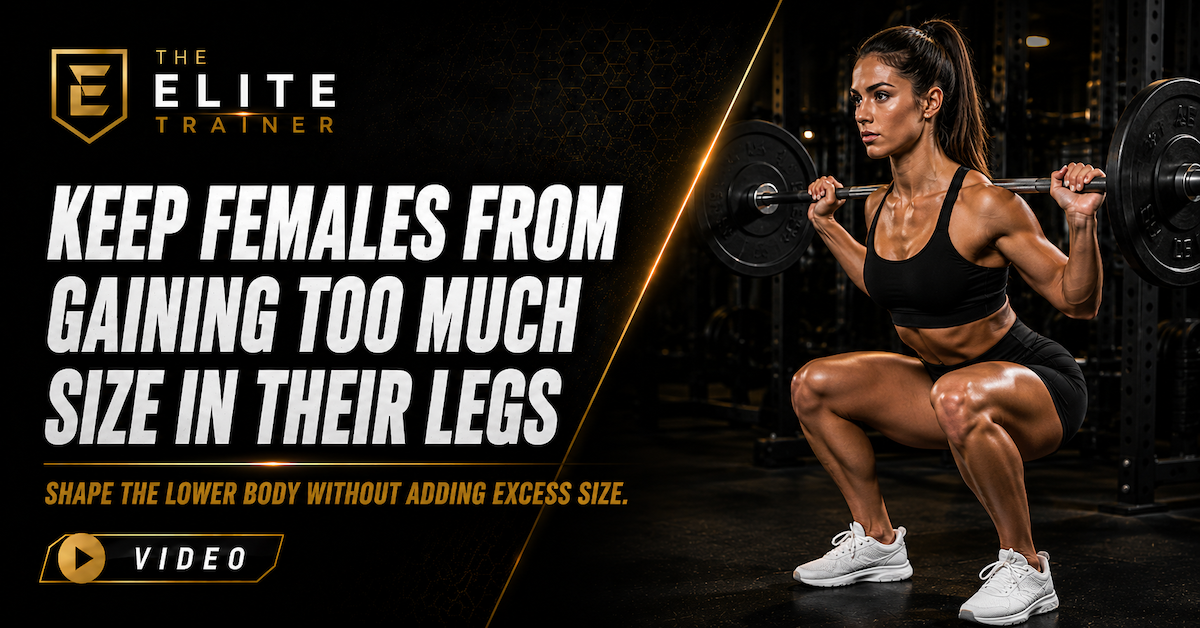
A trainer-focused discussion on programming for female clients who want strength benefits without excessive lower-body size emphasis.