Back Side Step-Ups

The general rule of thumb with step-ups is height before load: determine the appropriate step height first, then choose a load that allows you to perform the desired number of reps with good form.

With the side step-up in particular, the maximum height is determined by how far forward you can move the working knee—or simply put, how much calf flexibility you have.

The more your knee can move over your toes, the more vertical you can keep your trunk, and the higher the step can be. The key is to keep your hips level throughout the movement. If your hips dip down to one side, the step is too high.

In general, the height will range from 4 to 11 inches—anything above that is usually too high.

In the video, I’m demonstrating back side step-ups using the third step height on the Atlantis Leg Platform, which is 11 inches from the floor. Notice how my knee goes past my toes, but the heel always stays down on the platform—and there’s no push-off from the opposite foot.

Learn everything you need to know about this staple exercise in Step-Ups Develop Muscular Legs.

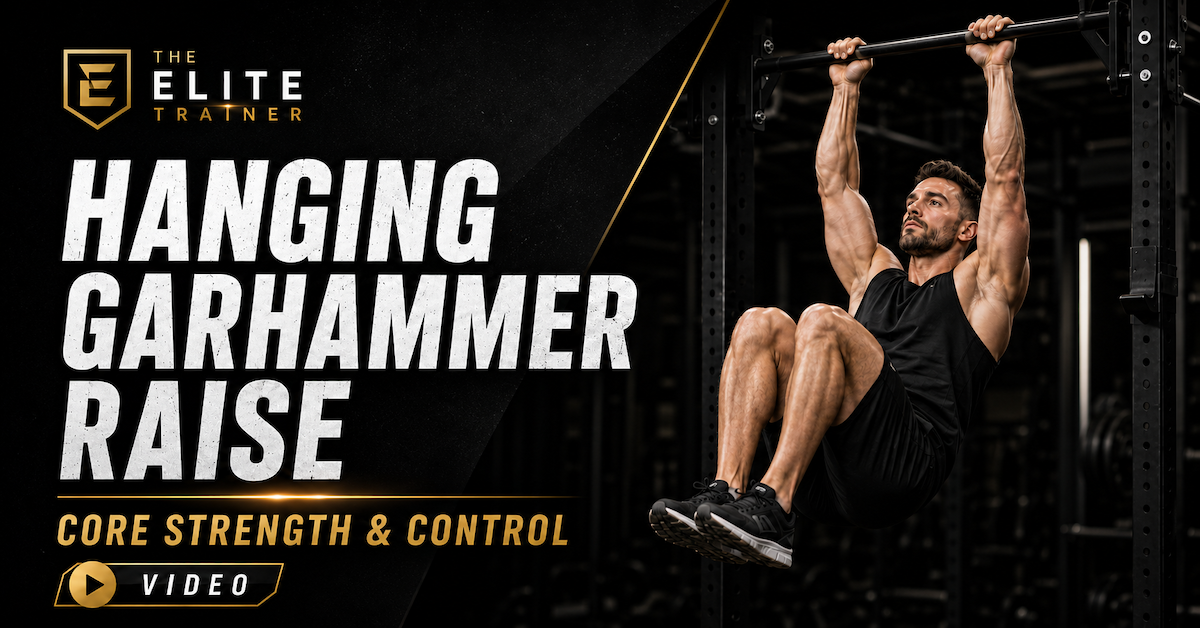
hanging garhammer raise

Hanging Garhammer Raise

The hanging Garhammer raise puts the lower abs in the spotlight while reducing the hip-flexor takeover common in many hanging leg-raise variations. Start from the floor if needed, then earn the hanging version.
Read More
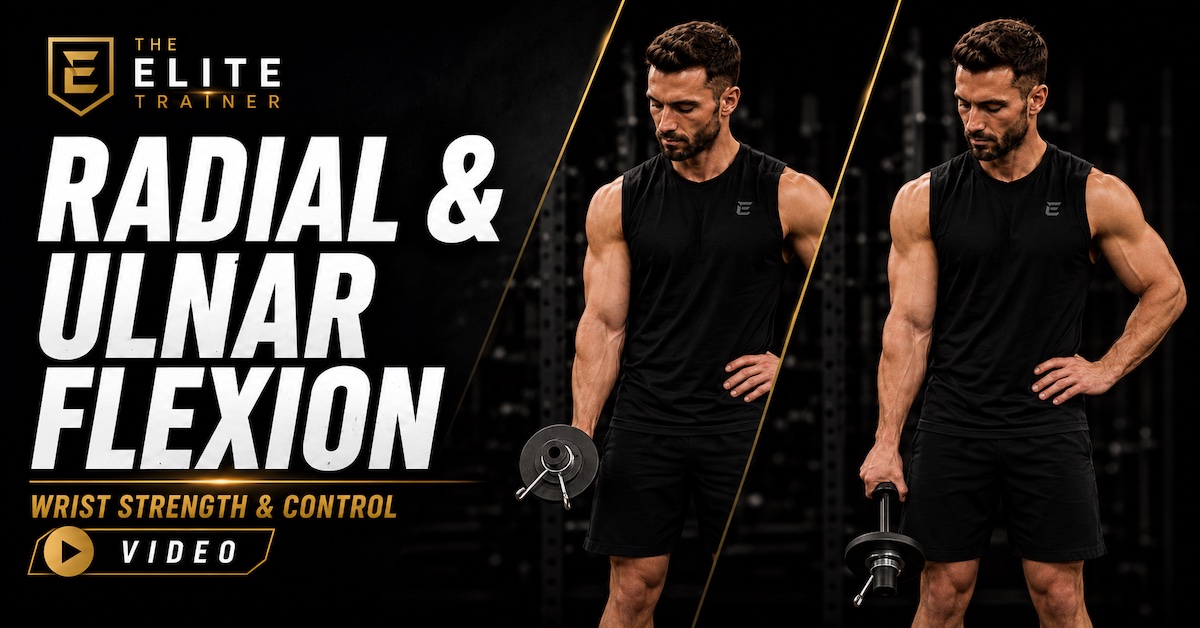
radial and ulnar flexion

Radial and Ulnar Flexion

Radial and ulnar flexion are not glamorous, but balanced wrists and forearms need more than curls and extensions. These neglected movement patterns deserve periodic programming.

Read More
follow
This error message is only visible to WordPress admins

Error: No feed with the ID 2 found.

Please go to the Instagram Feed settings page to create a feed.