
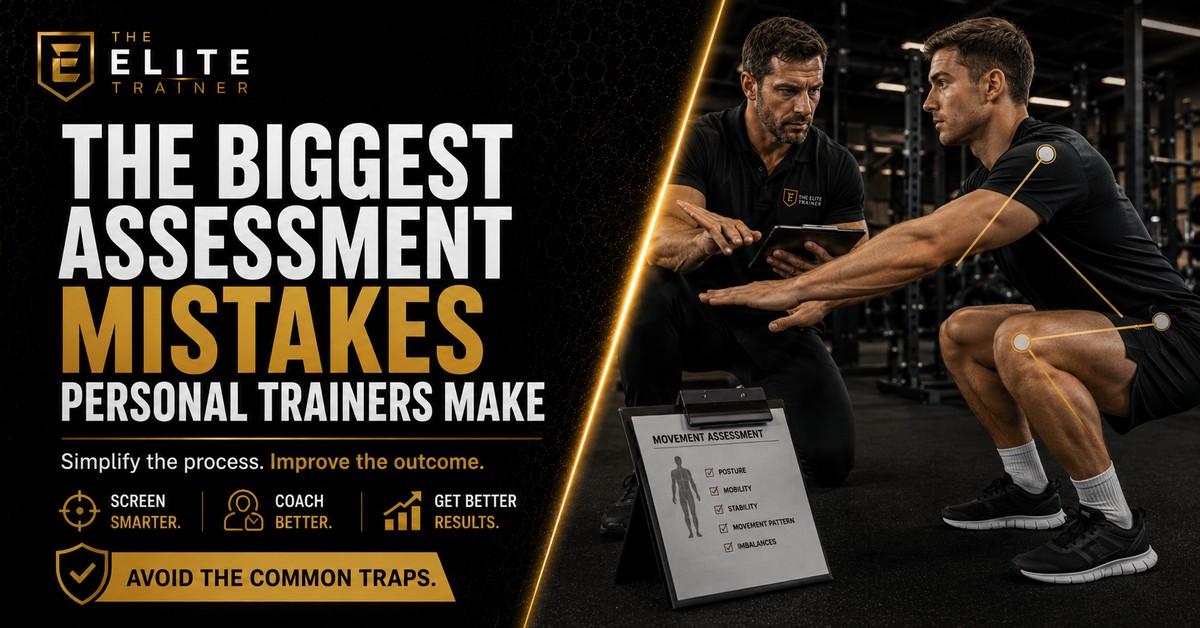
Too many assessments can bury the training process in screens, labels, and data points that do little to improve the program. Explore the biggest mistakes personal trainers make when assessing clients and how to keep evaluations practical, useful, and within scope.
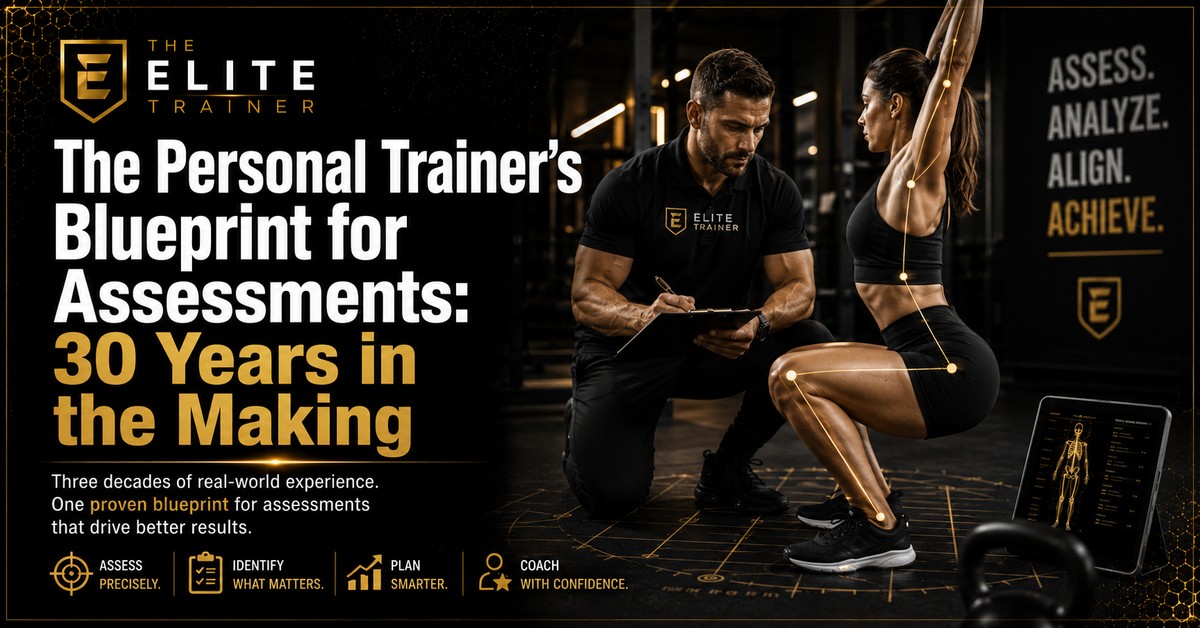
Three decades of assessment work shaped this trainer-focused resource. The Blueprint gives coaches a more organized way to evaluate clients before jumping into programs.

Assessment is valuable, but not every client needs a full testing battery before training begins. John Paul challenges trainers to know when to assess, when to observe, and when experience beats overtesting.

Part four wraps more health-and-fitness research into plain-English takeaways for coaches, trainers, and curious lifters.

Part three continues the research scan with useful takeaways for trainers who want practical insights without drowning in academic clutter.
Eggs, calorie restriction, eccentric training, and nutrition all show up in this research roundup. The useful question is not what a study says in isolation, but how a coach applies it.

RIR scales, alternate-day fasting, strength training, mental imagery, and injury prevention all make the cut in this research roundup. The focus is practical application, not academic wallpaper.

Chasing credits is not the same as chasing knowledge. Real continuing education should make trainers better, sharper, and more valuable—not just certified on paper.

Personal trainers who stop learning get stale fast. This research-focused entry pulls practical lessons from recent findings and turns them into usable coaching and programming takeaways.

Fat loss is the goal most clients ask for, but body composition is the bigger picture. This seminar preview highlights strategies for getting leaner while preserving and building the muscle that shapes the physique.