
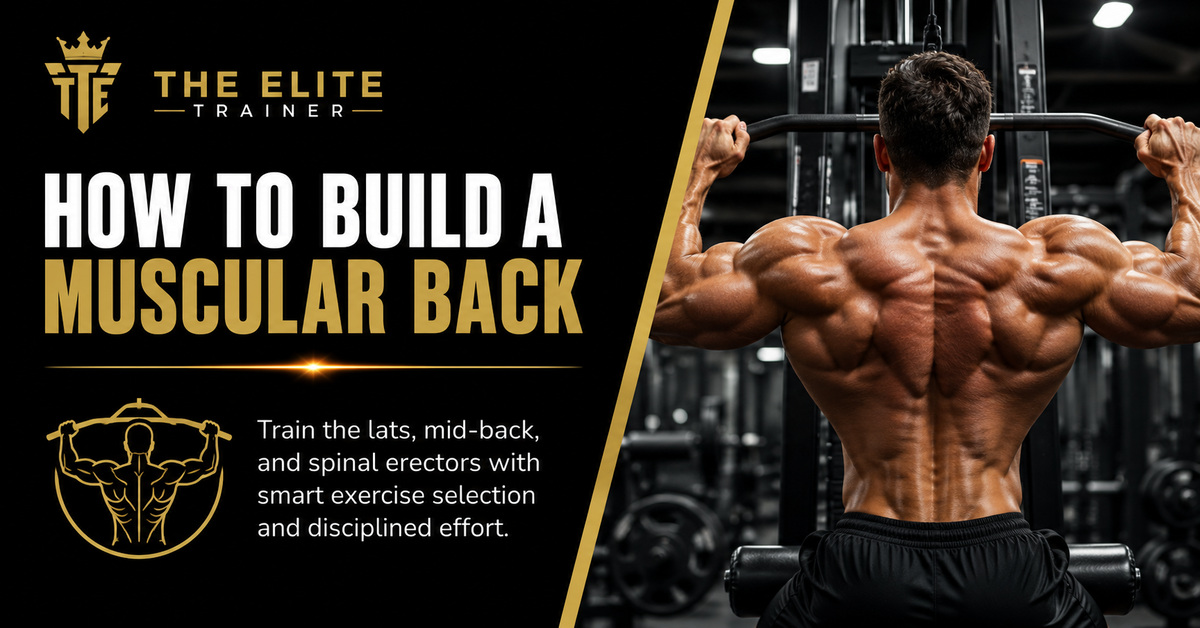
A complete back routine needs more than a few pulldowns. This post lays out angles, grips, implements, and loading schemes for serious development.

It sounds like infomercial nonsense, but this minimalist routine is built around brutally efficient exercise selection and effort.
Learn the results of the 12-day training experiment, including how nutrition, recovery support, and a higher-rep, faster-tempo approach helped break plateaus, boost muscle growth, and deliver a powerful new stimulus for hypertrophy.
See how this 12-day program was built, including the training split, workout structure, exercise pairings, and the strategy behind using higher frequency, lighter loads, and faster controlled reps to stimulate new muscle growth.
Discover the 10 core strength training rules John Paul Catanzaro usually follows—from reps, rest, and tempo to workout duration and recovery—and learn what inspired him to challenge them with an unconventional 12-day training experiment.

Olympic lifts are powerful tools, but are they essential for every athlete? This post weighs expert opinions on power development and sport transfer.

Counting reps is not always the best way to control training. Part 1 shows where rep targets still make sense, especially for certain core drills.

Some training methods belong in the bathroom, not the gym. This post takes aim at “burn” chasing and makes the case for smarter hypertrophy work.

The right explosive warm-up can prime the nervous system before heavy pressing. This post explains how plyometrics may boost bench performance when used correctly.

Taking time off can feel like slipping backward, but strategic detraining has a place. Explore how a planned layoff may help recovery, reset motivation, and set up a stronger return to hypertrophy-focused training.