
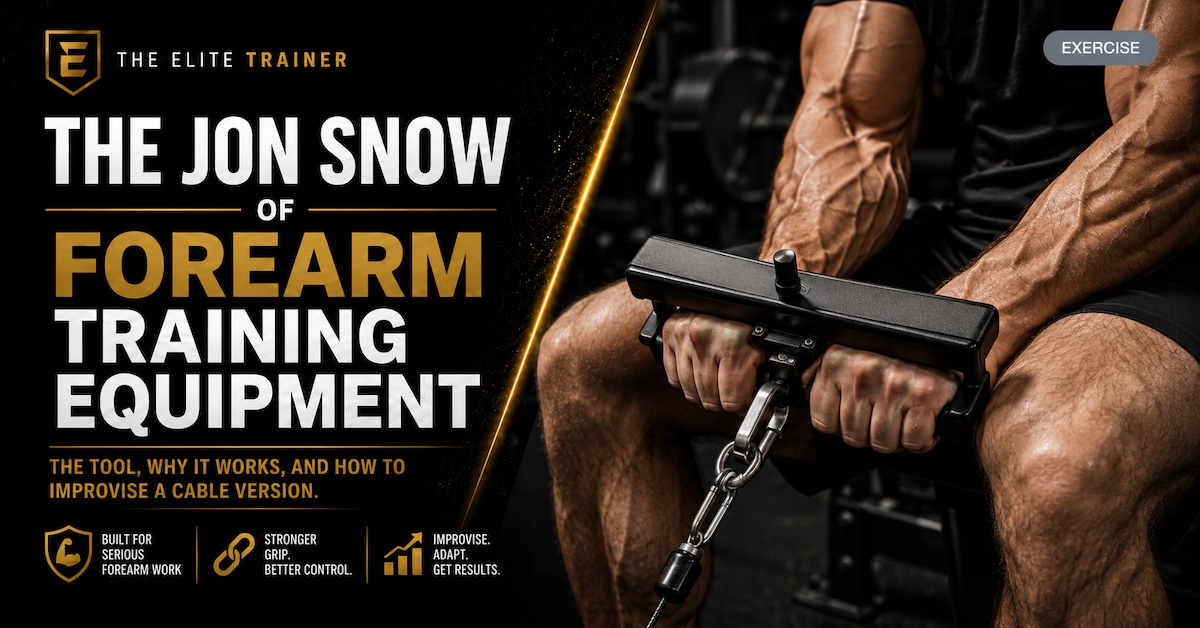
The Formulator disappeared, came back, and still has a place in serious forearm work. Here’s a look at the tool, why it works, and how to improvise a cable version if you cannot get your hands on one.

Squat depth gets a lot less scary when you understand what the knees, hips, and spine are actually doing. This piece pushes back on the old “knees behind the toes” rule with a more complete look at full-squat mechanics.
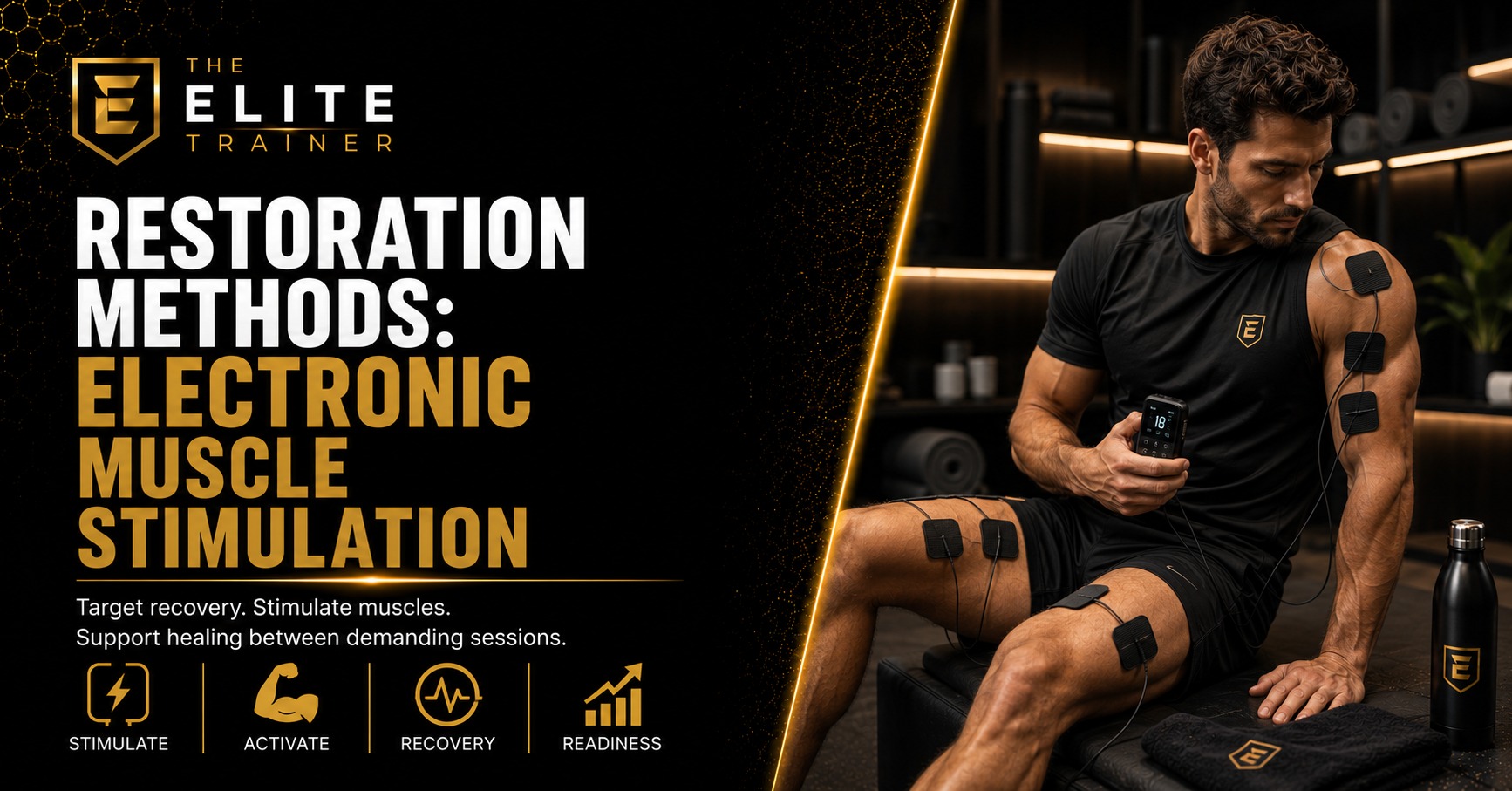
EMS is more than a gadget when used with the right intent. Strength work, recovery, pain modulation, and circulation-focused applications all have a place in the discussion.

Discover three effective circuit training methods that combine strength, conditioning, minimal rest, and smart exercise sequencing to improve body composition, boost workout efficiency, and support fat loss.

The vault opens with a lost interview featuring Dr. Eric Serrano on growth hormone, nutrition, and performance support. Expect deeper discussion than the usual surface-level fitness Q&A.

The end of the year is a perfect time to measure momentum and set the tone for what comes next. This update reflects on the site’s growth and points toward another productive year of training, writing, and education.
Some days call for discipline; others call for pulling back before the workout pulls you under. Listening to performance signals can keep training productive without turning every session into a retreat.
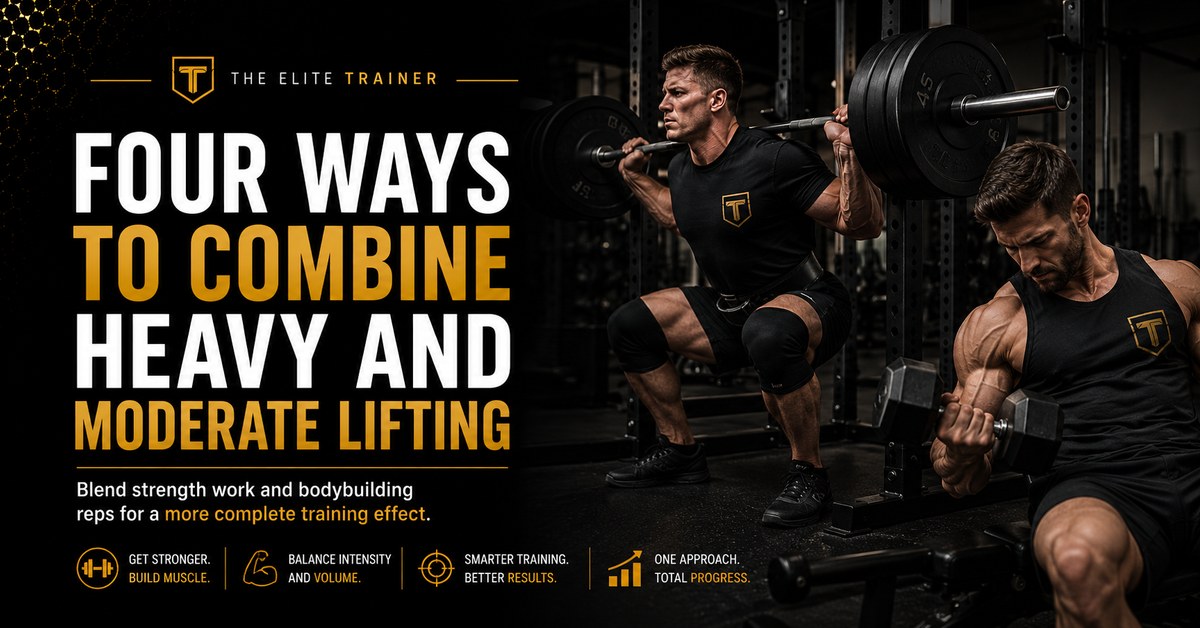
Size and strength do not have to live in separate programs. These four loading strategies show how to blend heavy work with moderate-rep bodybuilding work for a more complete training effect.

Breath control can change strength, stability, and performance. Part 5 explores intra-abdominal pressure, the Valsalva maneuver, and why proper breathing matters beyond the weight room.
Drawing in your navel during exercise may not be the protective strategy many believe it is. Part 4 explains why bracing, stability, and proper core tension matter under load.