
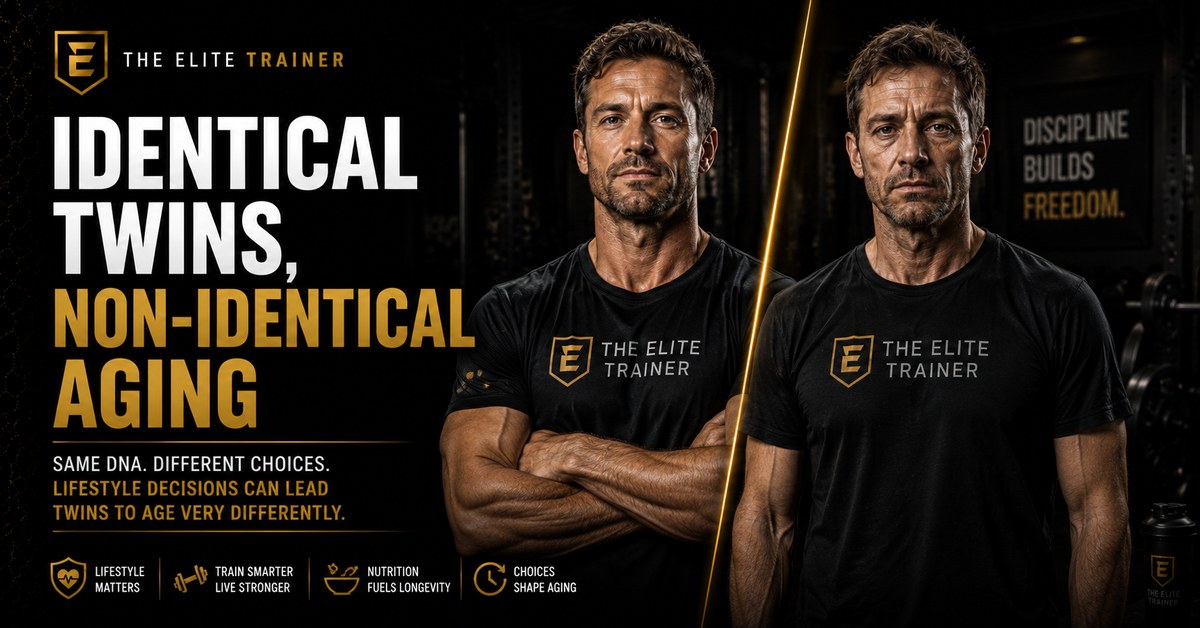
Training can create a visible gap even between people with identical genetics. This story shows how strength work, mobility, and consistency can change aging in ways DNA alone cannot explain.
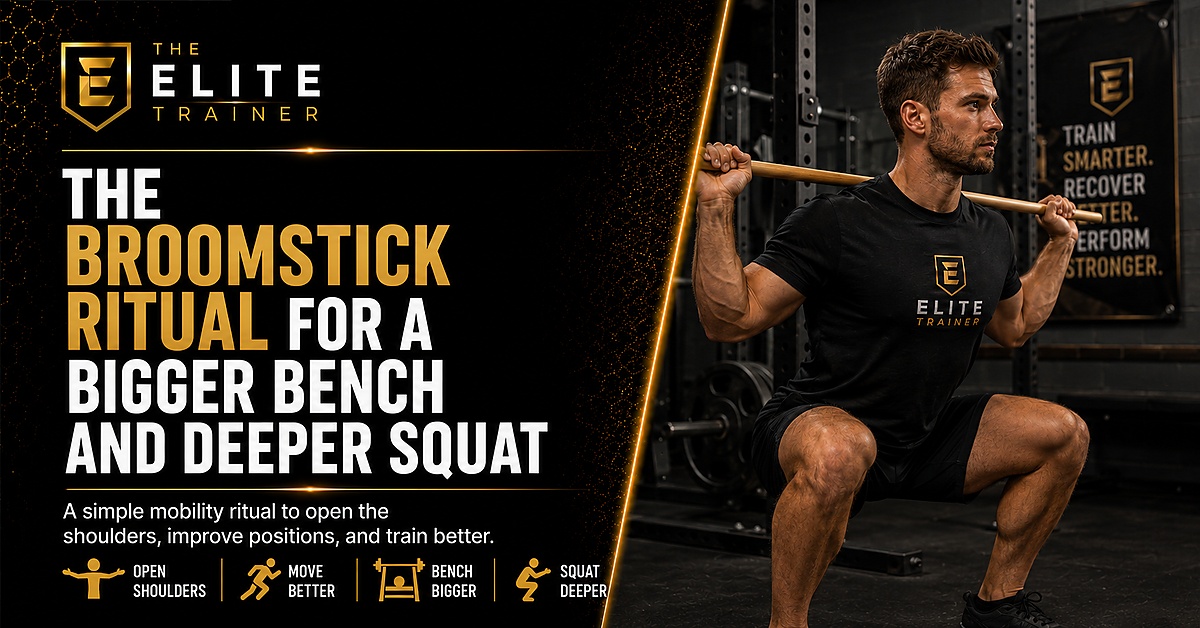
A simple broomstick ritual that prepares the body for stronger pressing and deeper squatting before the real weight ever hits the bar.
Strength training does not have to feel like a chore. This video looks at ways trainers can keep clients engaged during serious workouts.
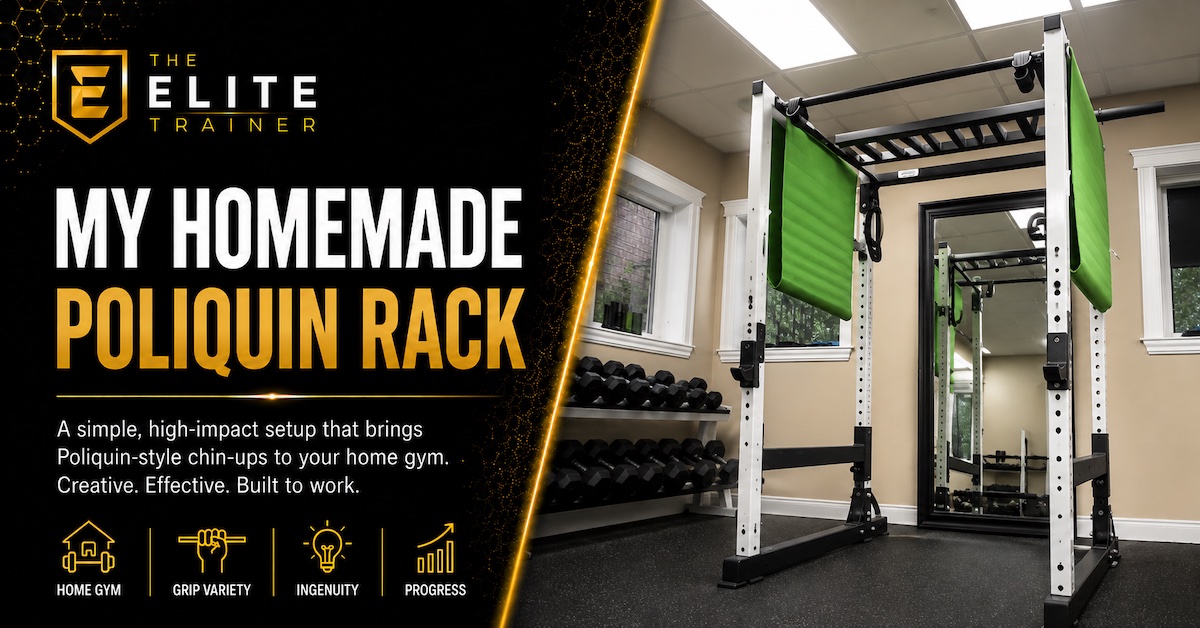
A behind-the-scenes look at a homemade Poliquin-style rack and the kind of equipment tweaks serious lifters love to add to their arsenal.
A targeted arm-training piece that explains why stronger triceps—not endless light reps—are key when trying to tighten up the back of the arms.
Advanced trainees do not transform by accident. This case study shows how targeted body-composition work tightened the waist, improved skinfolds, and preserved lean mass without relying on cardio.

Training should stimulate the body, not leave it hormonally flattened. This provocative piece looks at libido, overtraining signs, and why post-workout depletion can reveal more than soreness.
Tempo can turn a familiar routine into a completely different stimulus. This piece explains how strict lowering, controlled reps, and smart rest periods can drive serious hypertrophy results.

A greatest-hits list from 2016 pulls together the site’s most popular training, nutrition, recovery, and coaching pieces. It is a quick way to catch up on what readers kept coming back to.
Heavy lifting does not have to mean reckless lifting. Chains and wave loading can help female trainees build serious strength while managing sticking points and confidence under the bar.