

Chains make full squats more manageable where lifters are weakest and heavier where they are strongest. See how accommodating resistance changes the feel of the lift.

Shoulder irritation often persists because lifters keep provoking the same tissues. Stabilizing the scapula and respecting shoulder position can stop the cycle from repeating.

Paused chin-ups reduce momentum, reinforce control, and increase tension where many lifters cheat. This close-neutral-grip variation also gives the shoulders and spine a brief reset at the bottom of each rep.

Part 2 flips the focus so Barb trains upper body while Terry works lower body. The clip shows how smart programming keeps both partners progressing inside the same training session.

Revisit the website’s most-read content from 2018, including training strategies, health stories, nutrition takes, and recovery ideas that readers kept coming back to.

Charles Poliquin left a massive mark on strength training, from German Volume Training to tempo prescription and thick-grip work. His influence still runs through modern coaching.

Music can fire you up or throw you off, depending on where your arousal level starts. Choose workout tracks that match the lift, the mood, and the goal.

Reciprocity training pairs opposite-limb movements to challenge coordination and neural drive. Revisit an old Poliquin-inspired method with a more practical eye.
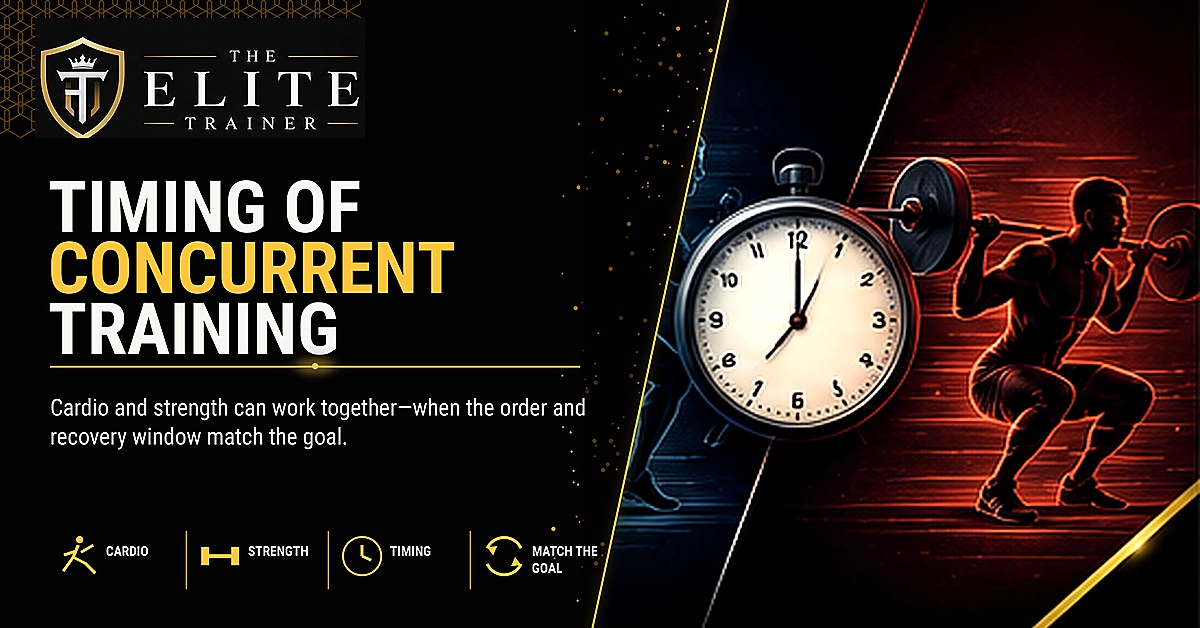
Cardio and lifting can work together, but timing matters. Match aerobic work to the goal—fat loss, muscle gain, or restoration—and concurrent training becomes a tool instead of a conflict.
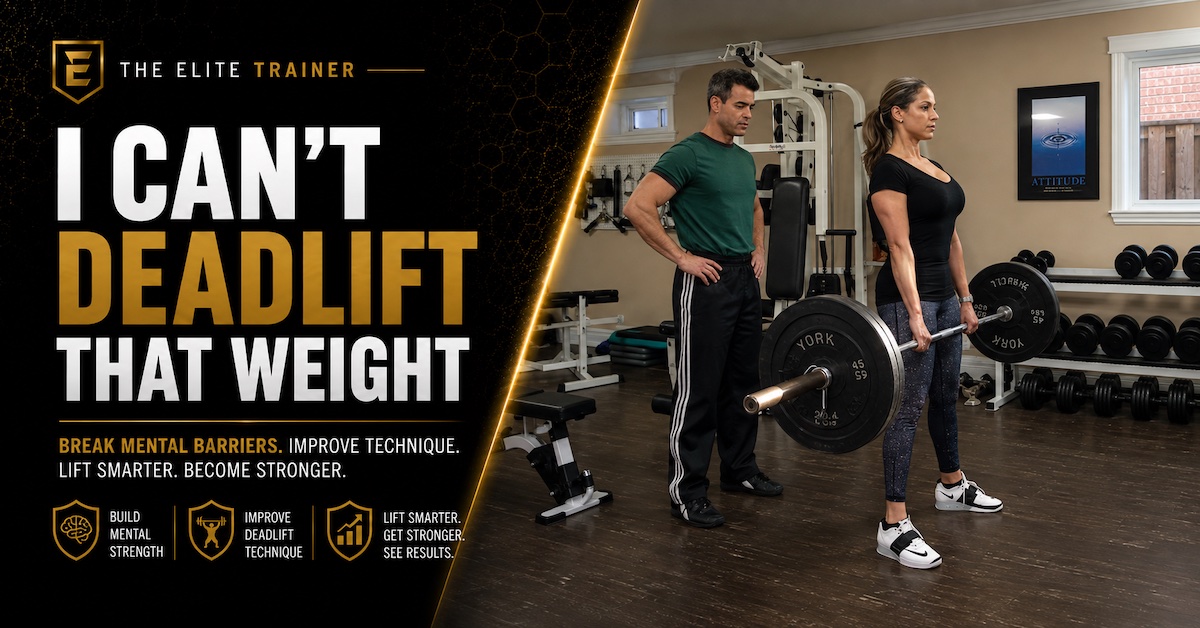
Natasha started with zero barbell experience and a belief that a heavy deadlift was out of reach. Her progress shows what happens when performance goals replace doubt.