
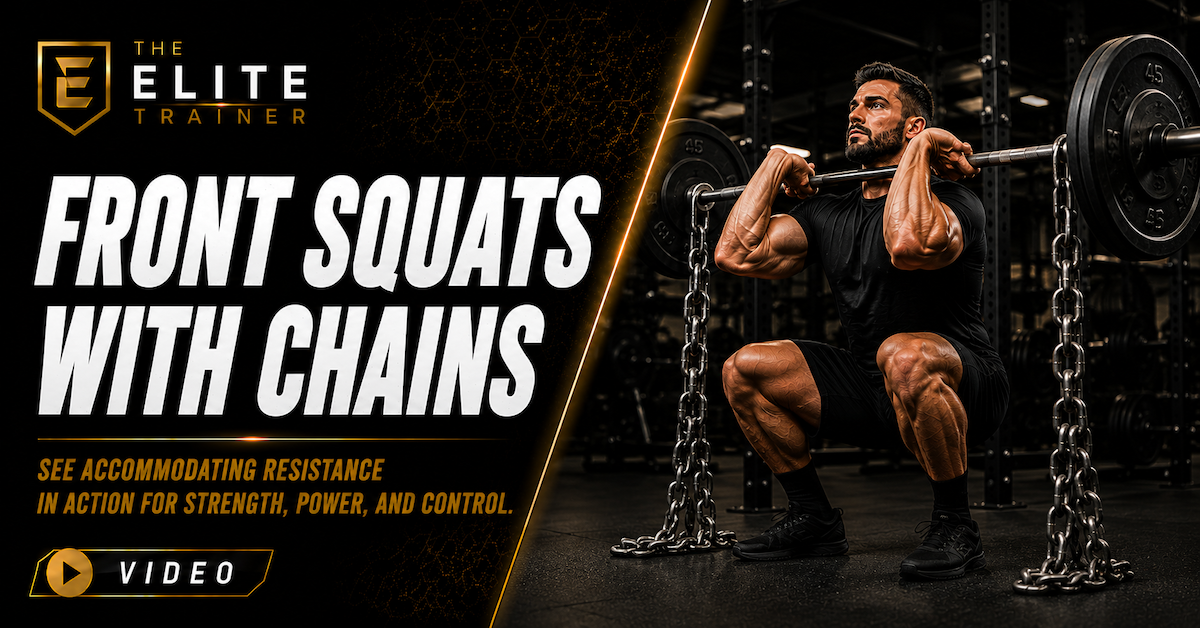
Chains change the loading curve and add a serious twist to front squats. This clip shows wave loading and accommodating resistance in action.

Starting every unilateral exercise with the weak side is common advice, but it is not the only option. Testing both approaches can reveal whether weakness or nervous-system potentiation matters more.

Feeling sick does not always mean the same training decision. The neck rule offers a simple way to judge when to scale volume, when to rest, and when to stay out of the gym.

Volume, intensity, and frequency matter, but effort may be the variable that decides whether a set actually builds muscle. Here’s why training close to failure still deserves respect.

Squats and deadlifts live on a knee-bend spectrum. Understanding where front squats, power squats, stiff-leg deadlifts, and bent-knee deadlifts fit can clean up technique fast.

Major injury can make normal training feel impossible, but consistent effort changes the story. Arzhang’s comeback highlights patience, isometrics, and the long climb back to strength.

Parallel-bar dips can be intimidating, but eccentric training gives lifters a way in. Negative-only dips help build control, strength, and confidence before full reps are ready.

Most training advice says to nudge adaptation. Triple split training takes the opposite approach: push frequency and recovery tactics hard enough to force progress without completely crashing the system.
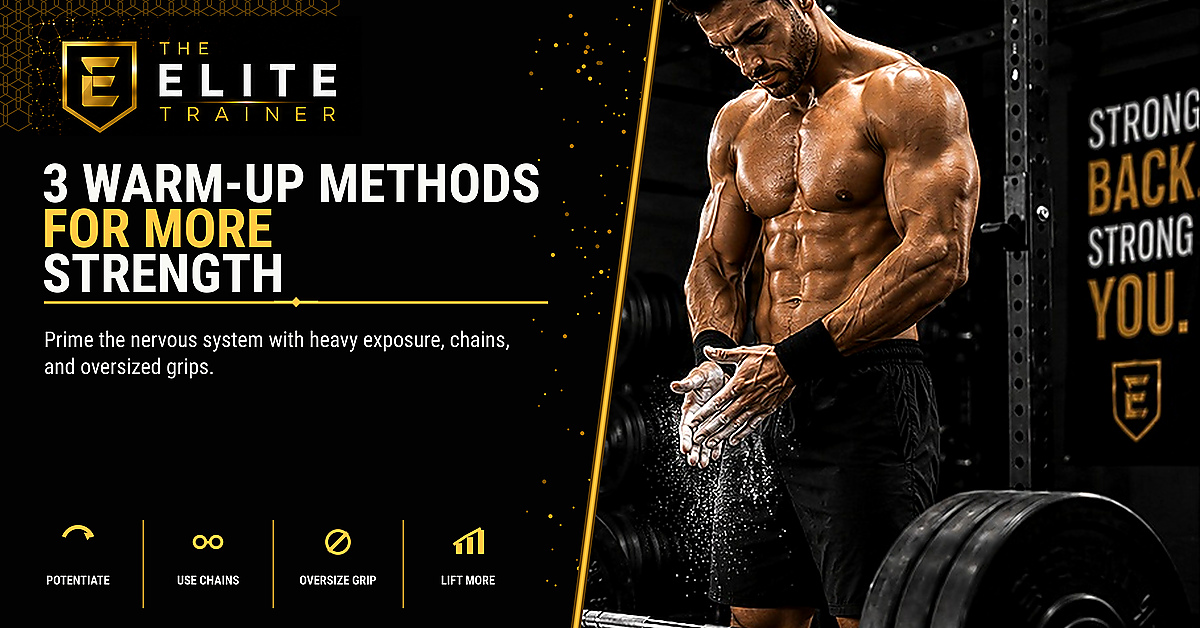
Warming up is not just about getting warm. These three advanced methods use neural priming, chains, and oversized grips to make the working sets feel lighter and more explosive.
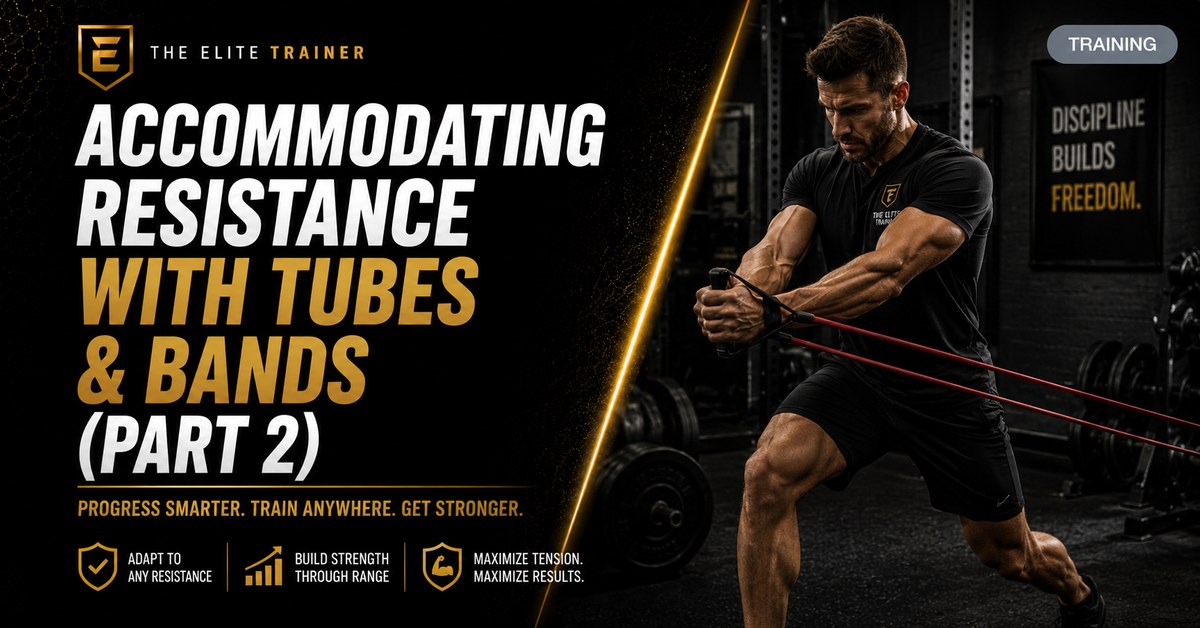
Elastic resistance can add load, reduce load, or change the strength curve entirely. Part 2 explains how bands assist or resist exercises like squats, bench presses, chin-ups, and dips.