

The rectus femoris can be tricky to target because it crosses both the hip and knee. A lying single-leg extension changes the setup to make quad work more precise and focused.
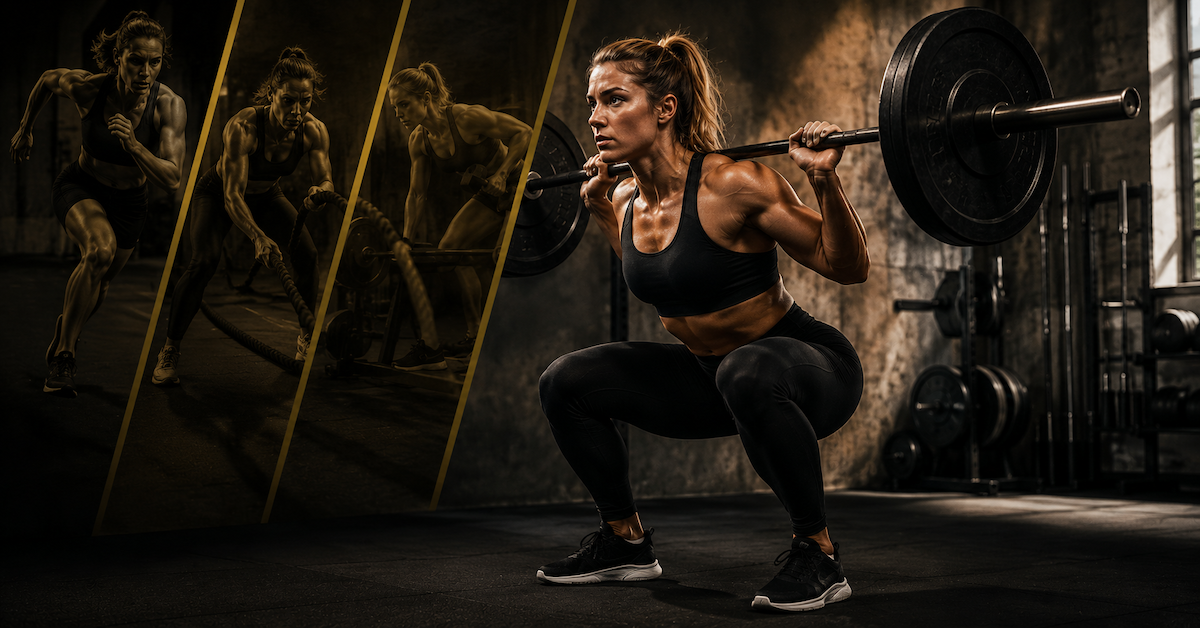
Learn how weight training can deliver multiple fitness benefits in one efficient workout, including strength, muscle, body composition, flexibility, cardiovascular health, and overall training economy.
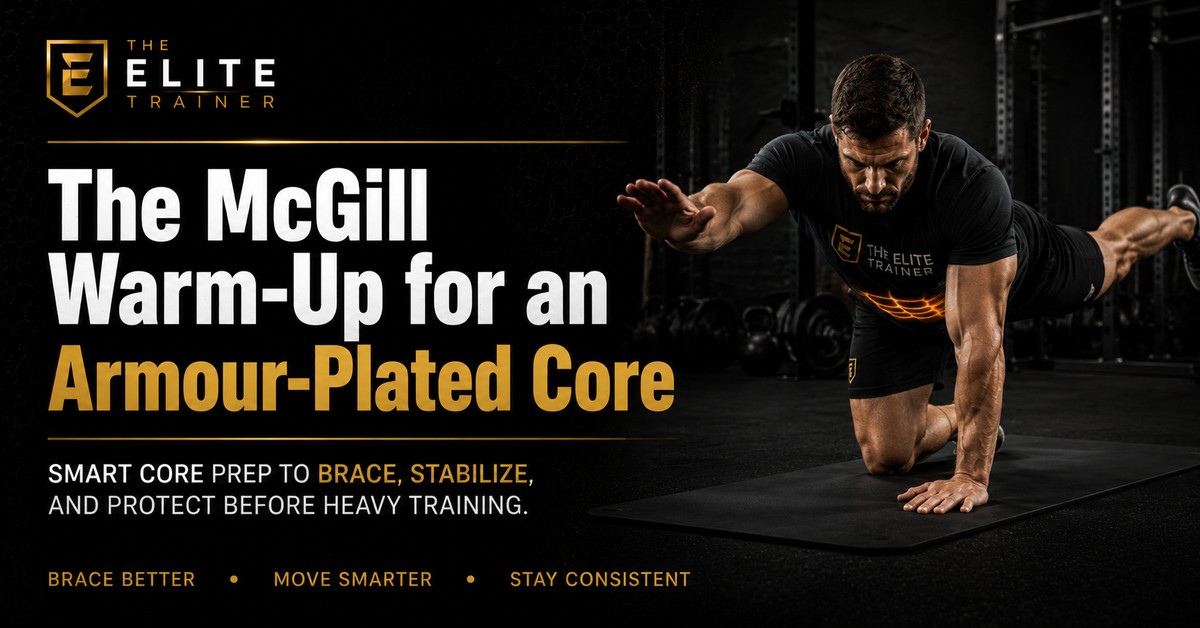
Heavy lifting demands a core that can brace, stabilize, and protect the spine. The McGill-inspired warm-up brings together proven trunk exercises to prepare the body for serious training.
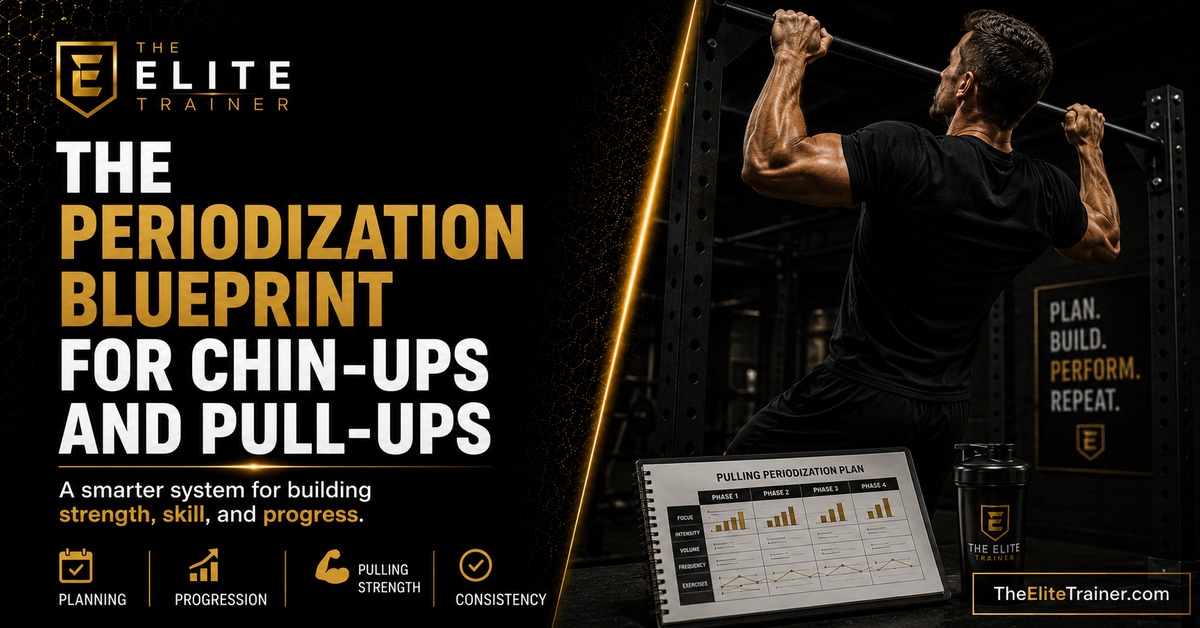
Chin-ups do not have to stall at the same grip forever. A six-month rotation using Swissies45 handles creates built-in variety for grip strength, pulling power, and muscle balance.
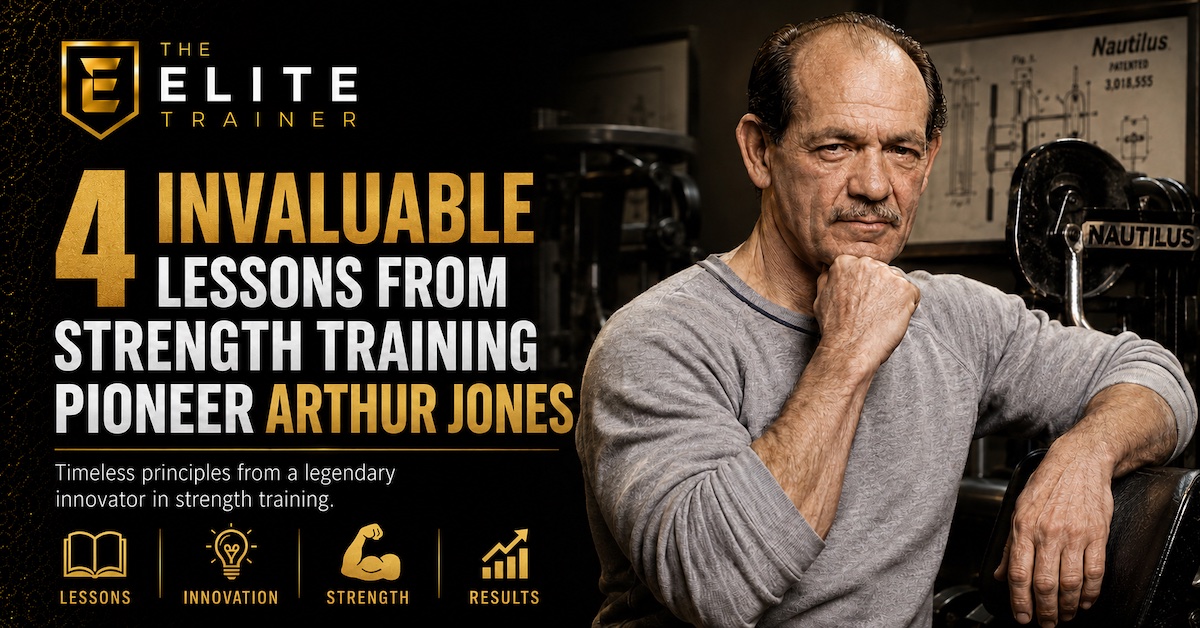
Explore four timeless strength training lessons from Arthur Jones, the visionary behind Nautilus, including eccentric training, exercise intensity, machine design, and principles that still influence modern workouts.
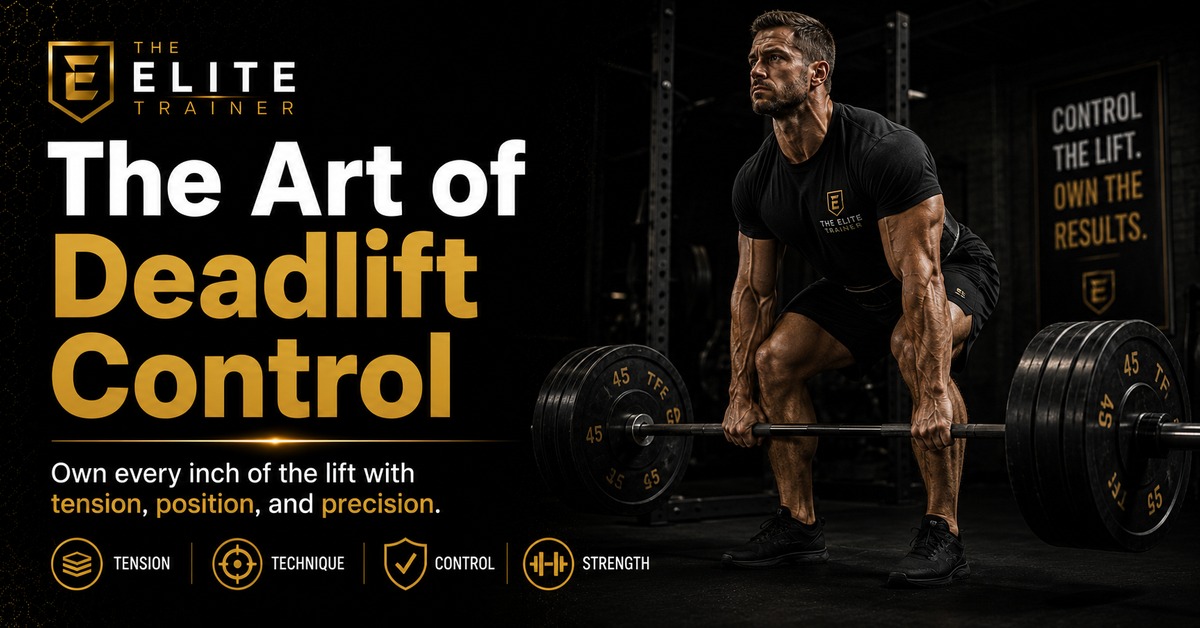
Amanda’s deadlift set is a reminder that strength is measured by control, not just load. Every rep starts clean, moves with intent, and avoids the lazy bounce that ruins technique.
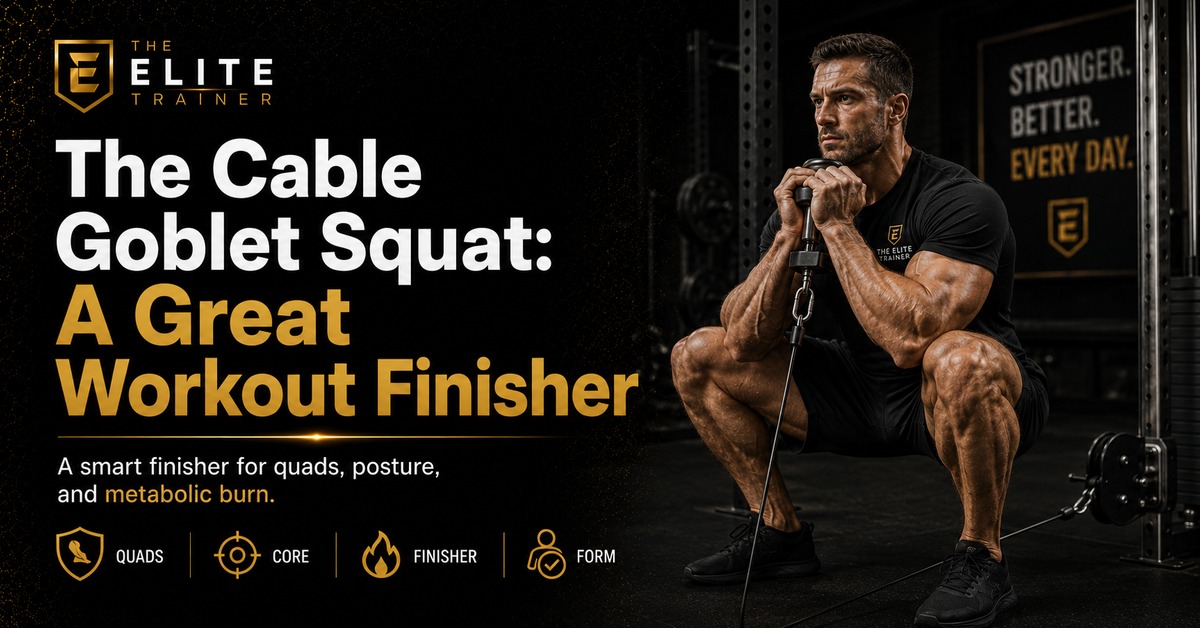
Goblet squats make excellent finishers, but heavy dumbbells can be awkward when fatigue hits. A cable setup keeps the load stable and lets you push the legs hard with less hassle.
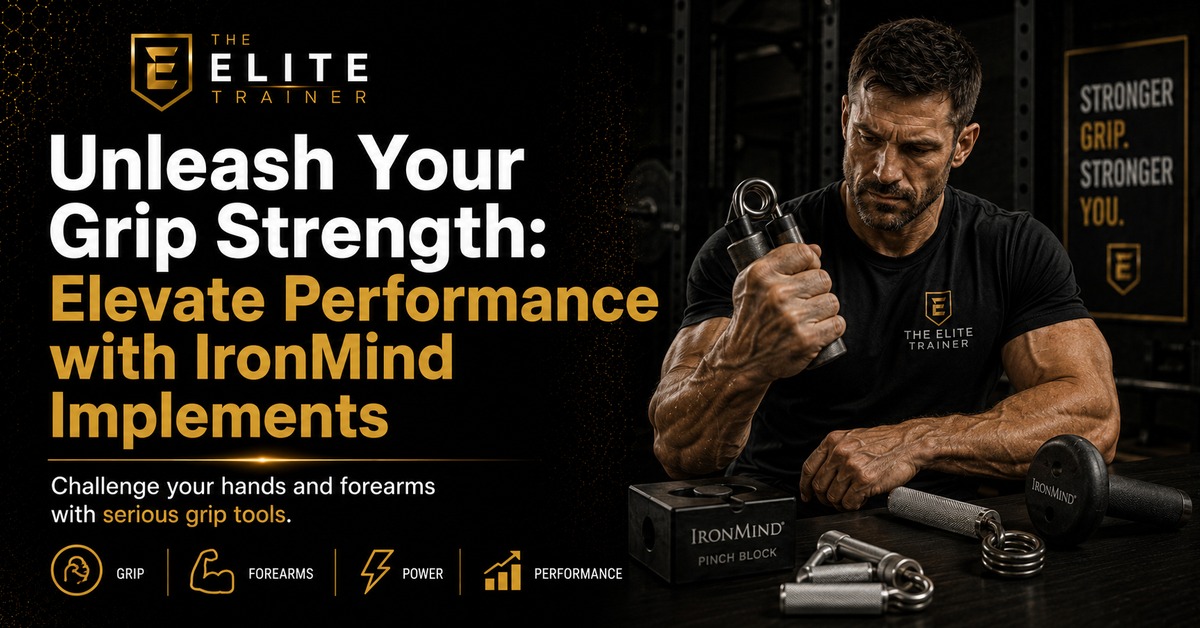
Grip strength is often the limiting factor in serious lifting. IronMind tools like the Rolling Thunder offer a structured way to build crushing strength, endurance, and performance carryover.
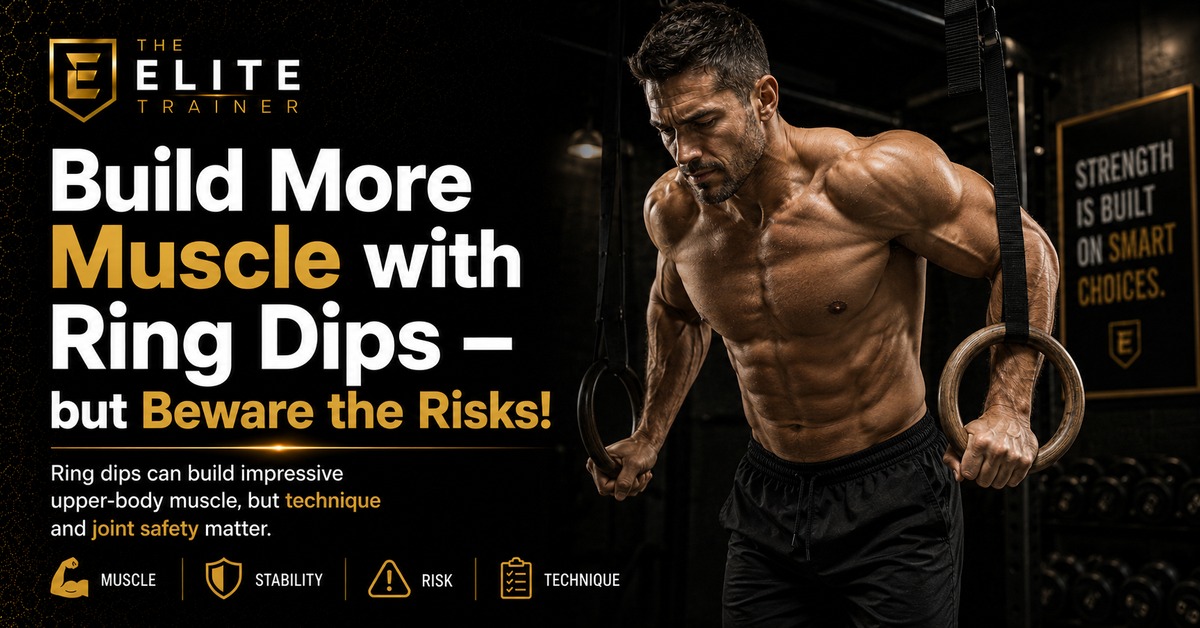
Ring dips can be a powerful muscle-building tool, but only when they’re controlled. The instability challenges the chest, shoulders, and stabilizers while demanding respect for injury risk.
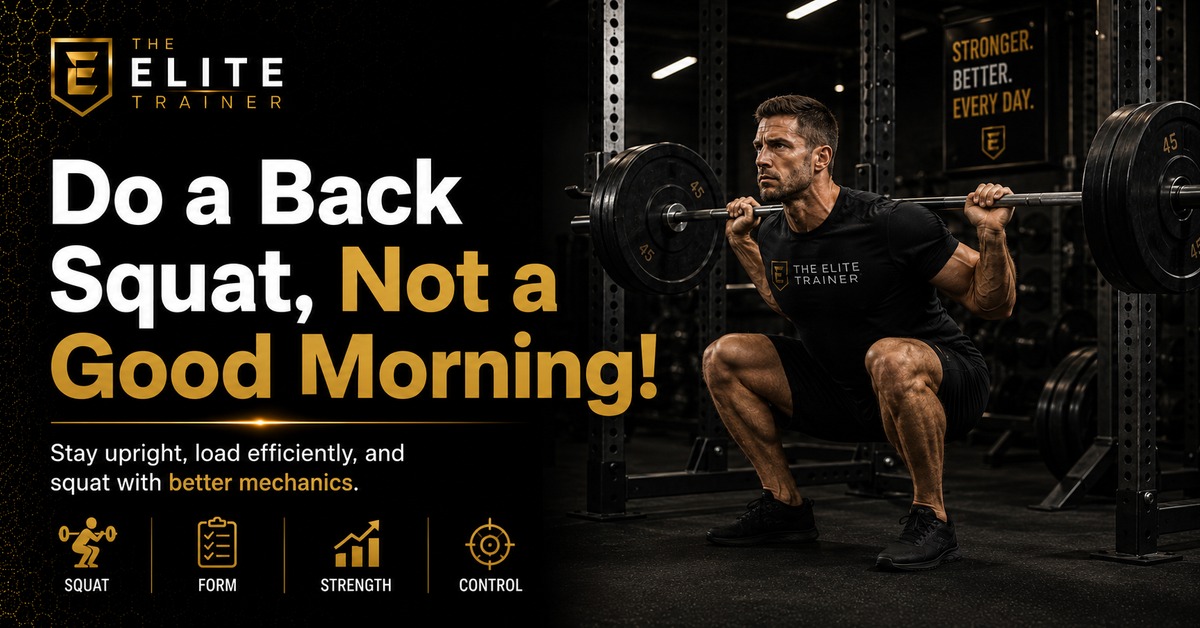
A squat is not supposed to turn into a loaded good morning. Fixing knee bend, trunk angle, and heel position can make the back squat safer and far more effective for leg development.