
Most gym rats are “pushers,” not “pullers”—and most do too much horizontal pushing and not enough vertical pushing.
If you’re able to press 100-pound dumbbells lying flat on your back, then you should be able to press 70-pound dumbbells overhead for the same number of reps. For every pushing pattern you perform, you should also include the corresponding pulling pattern. For example, a great antagonist for the standing one-arm dumbbell press is the half-kneeling one-arm cable pulldown.
On page 66 of The Elite Trainer, I discuss how pressing strength decreases an average of 2–7% every 15 degrees from a decline, lying position to an upright, seated position. In the example above, you also have to factor in a standing versus seated position along with the bilateral deficit—but the point remains: If there’s a huge discrepancy between your horizontal and vertical pressing strength, your body won’t look or function properly, and you’re setting yourself up for injury.
Likewise, if you prefer having rounded shoulders and a forward head, just keep pushing without pulling!
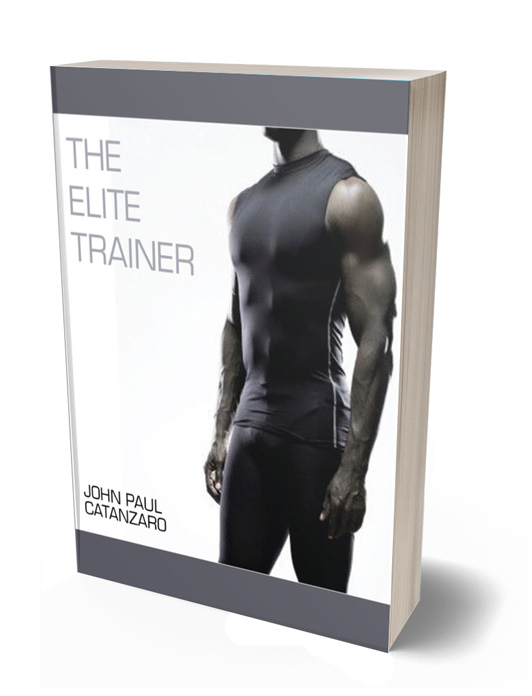
The Elite Trainer: Strength Training for the Serious Professional
The Elite Trainer is a detailed strength training and program design resource for personal trainers, strength coaches, and serious lifters. Covering training variables, periodization, advanced methods, and ready-to-use programs, this book is a practical reference for anyone serious about strength training.
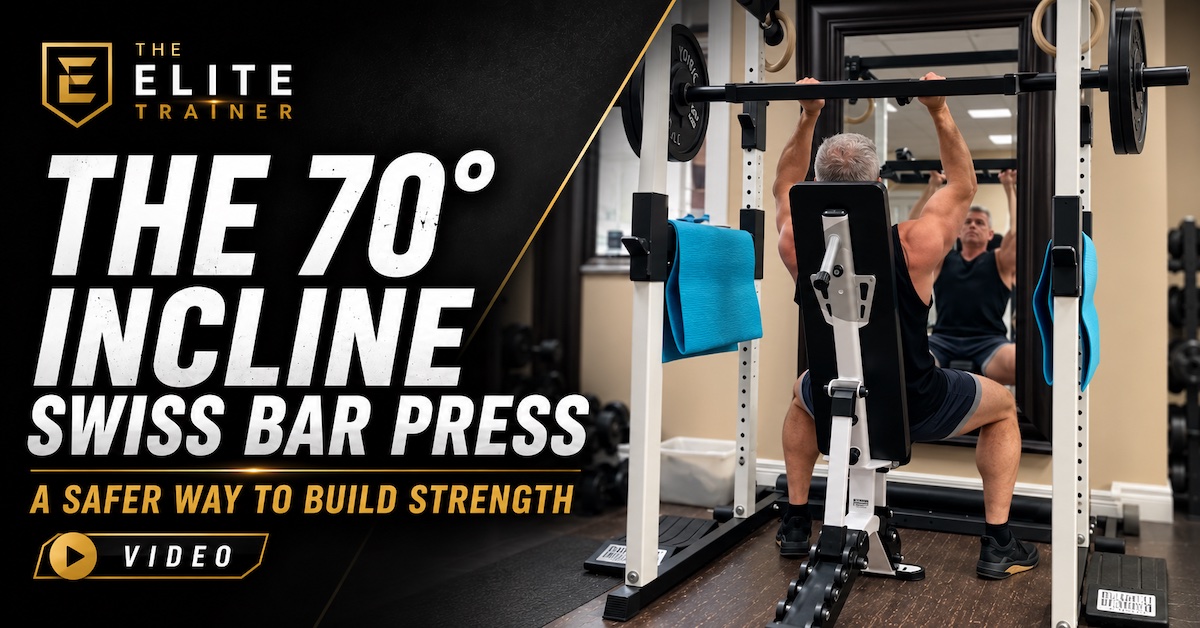
The 70-Degree Incline Swiss Bar Press: A Safer Way to Build Strength
A neutral-grip Swiss bar is shoulder-friendly, but the setup can get awkward fast. Using a 70-degree incline bench keeps the press strong, controlled, and easier to clear without excessive leaning.
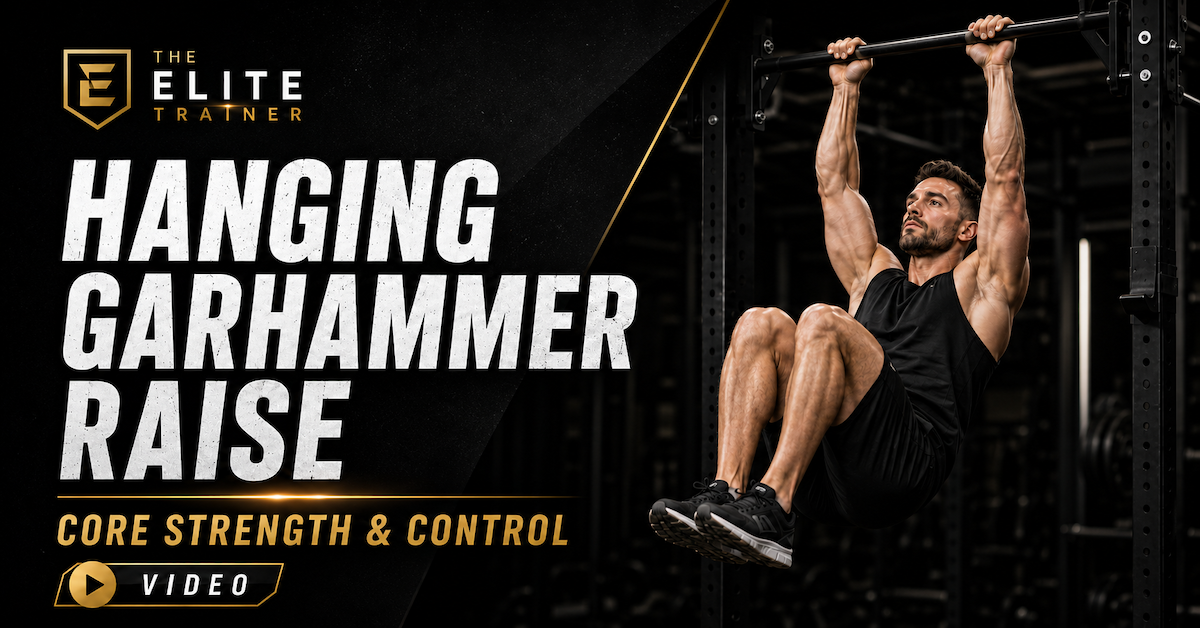
Hanging Garhammer Raise
The hanging Garhammer raise puts the lower abs in the spotlight while reducing the hip-flexor takeover common in many hanging leg-raise variations. Start from the floor if needed, then earn the hanging version.
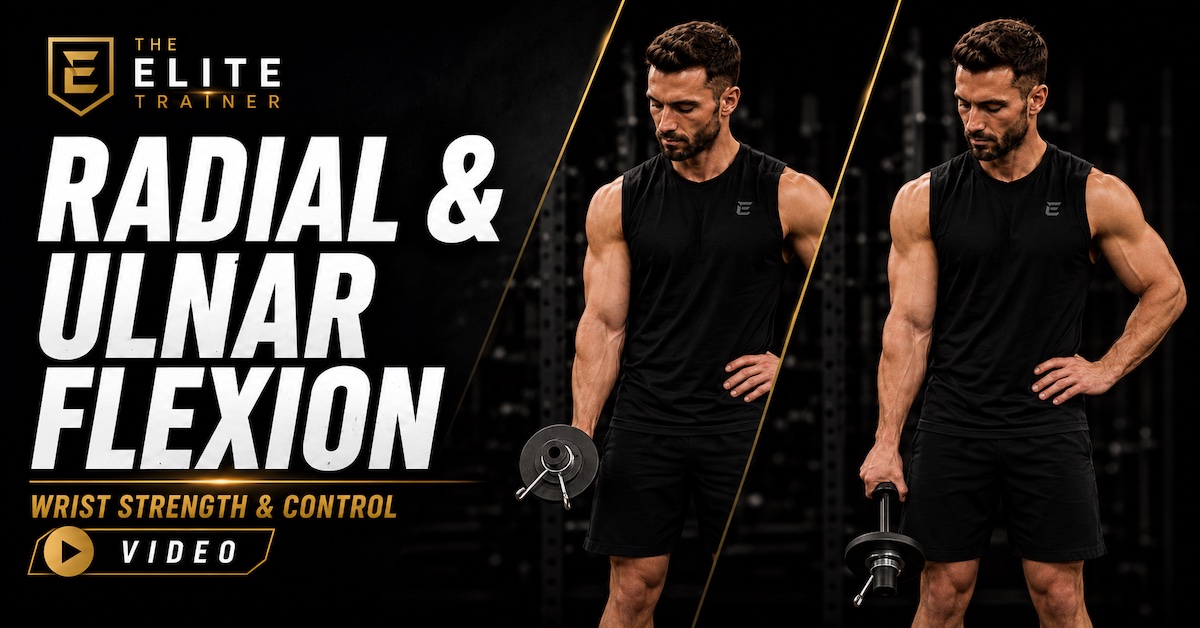
Radial and Ulnar Flexion
Radial and ulnar flexion are not glamorous, but balanced wrists and forearms need more than curls and extensions. These neglected movement patterns deserve periodic programming.