

To maximize intra-abdominal pressure (IAP) during strength training, research indicates that you should breathe deeply (about 75% of maximum) into your belly and hold that breath throughout the rep, exhaling only after completing the movement. This technique provides optimal spinal support, enhances strength, and reduces injury risk. Breathing and Athletic Performance Proper breath control isn’t…

If there’s ever a time not to draw in your navel, it’s during exercise. In fact, this practice should be abandoned altogether unless used for specific rehabilitation purposes. “Sucking in your gut” shifts emphasis away from the working muscles in most gym movements and can actually lead to injury. Yes, keeping the core tight is…

A classic debate among fitness professionals is whether the abdominals should be divided into upper and lower sections. Some experts argue that the abdominals function as a single muscle, with no distinction between upper and lower portions. However, research suggests otherwise—you can selectively recruit different segments of a muscle depending on the type of exercise…

If you want to build a serious set of abdominals, make sure to include these foundational exercises—and their variations—into your routine: squats, deadlifts, pull-ups, and standing overhead presses. These multi-joint movements demand strong abdominal engagement to stabilize the core, especially under heavy loads. It’s not uncommon to hear people complain of abdominal soreness a day…

More people are concerned about their midsection than any other body part. The core comprises roughly a third of the body, yet it receives full attention in the gym. Sporting a great set of abs is high on anyone’s list. Let’s face it—if the core is in shape, the whole body is in shape! The…
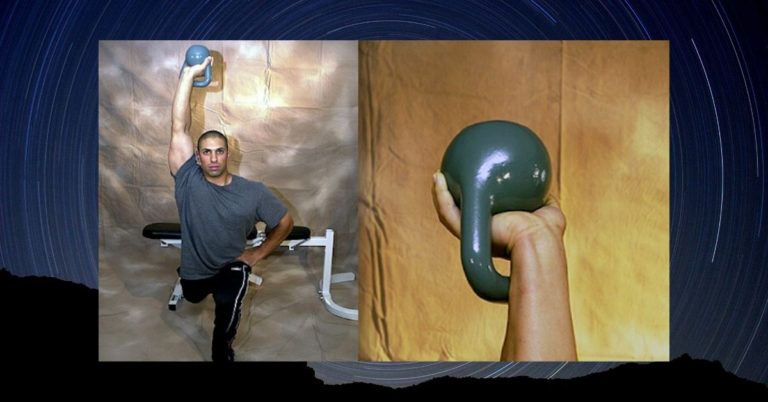
A single-leg squat is a rear-foot-elevated split squat performed on a high surface like a bench rather than a step. It’s a great exercise for stretching the hip flexors, but you can enhance the effect by extending the arm on the same side as the elevated leg while holding a weight. I call this variation…
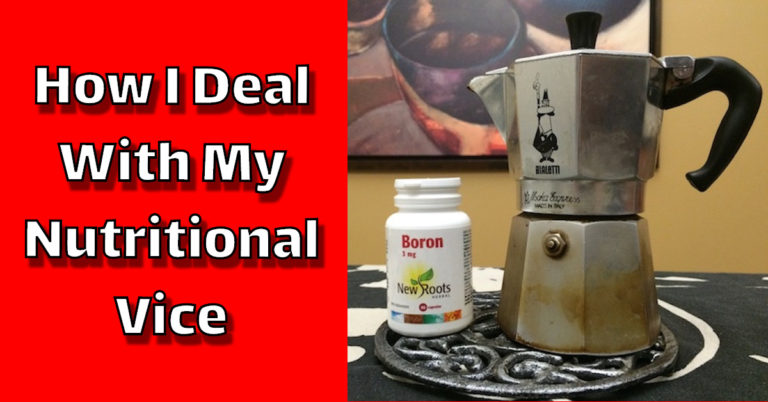
People often ask if I have a nutritional vice. I suppose I have two, but I don’t consider them that bad. I enjoy a glass of red wine with dinner on the weekends, and every day, I have a double espresso with breakfast, followed by a single shot after lunch, and sometimes after dinner. I…

Can 10 sets of 3 build as much muscle as 3 sets of 10? The short answer is yes—but the type of hypertrophy you experience differs. In strength training, time under tension (TUT) reflects the total duration of a set and is calculated by multiplying the number of reps by the tempo or speed of…
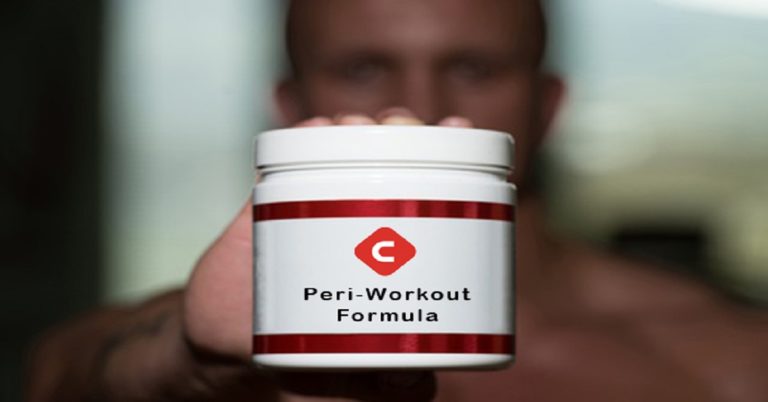
Without a doubt, branched-chain amino acids (BCAAs) top the list of supplements to take during a workout. BCAAs have a host of research-supported benefits for weight lifters. For example, they can stimulate anabolism and deter catabolism, prevent mental fatigue, and provide energy, endurance, and an increased rate of recovery. Along with their unique anabolic and…

Many trainers proudly highlight their work with professional and elite athletes, wearing it like a badge of honor. While this makes for great marketing, the real question is: how much does training truly contribute to an athlete’s success? A 2010 study by Andersen & Aagaard (full article here) puts things into perspective: When watching athletes…