
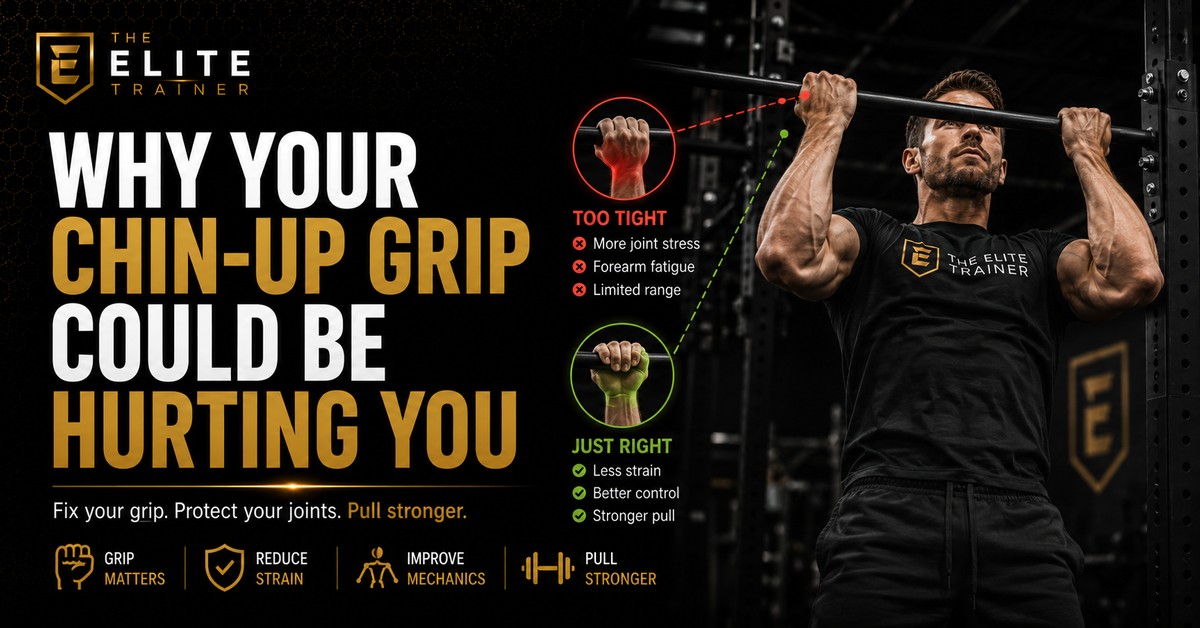
Chin-up grip is not just a comfort detail. Hand position, shoulder mechanics, and individual structure can all affect how the movement feels and how well it fits your body.
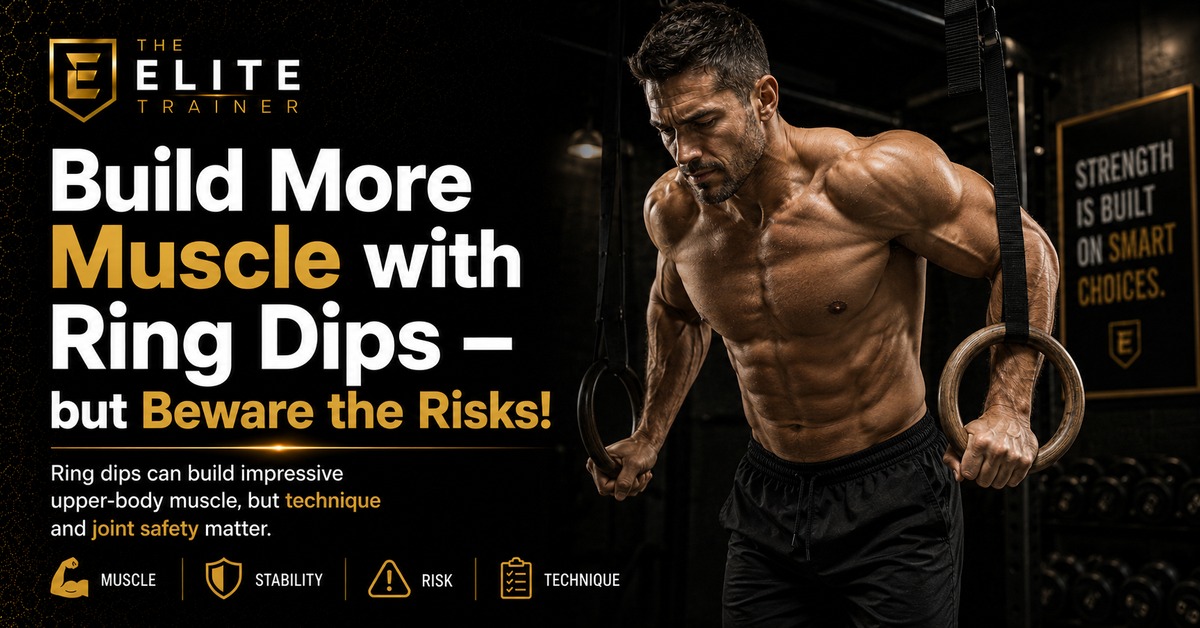
Ring dips can be a powerful muscle-building tool, but only when they’re controlled. The instability challenges the chest, shoulders, and stabilizers while demanding respect for injury risk.
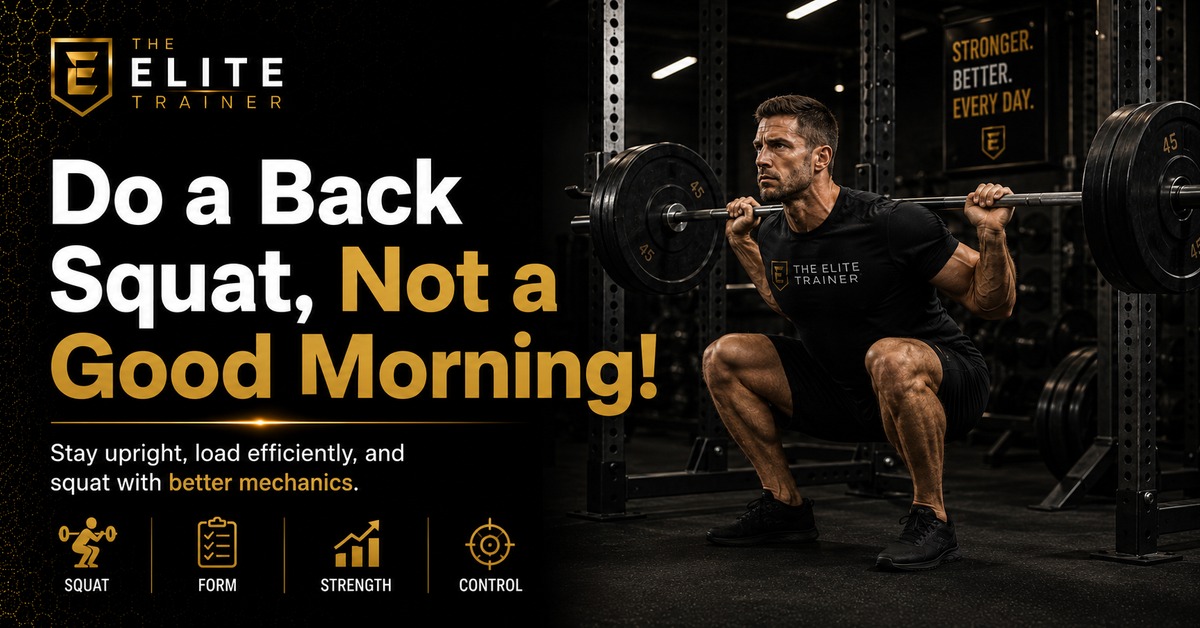
A squat is not supposed to turn into a loaded good morning. Fixing knee bend, trunk angle, and heel position can make the back squat safer and far more effective for leg development.
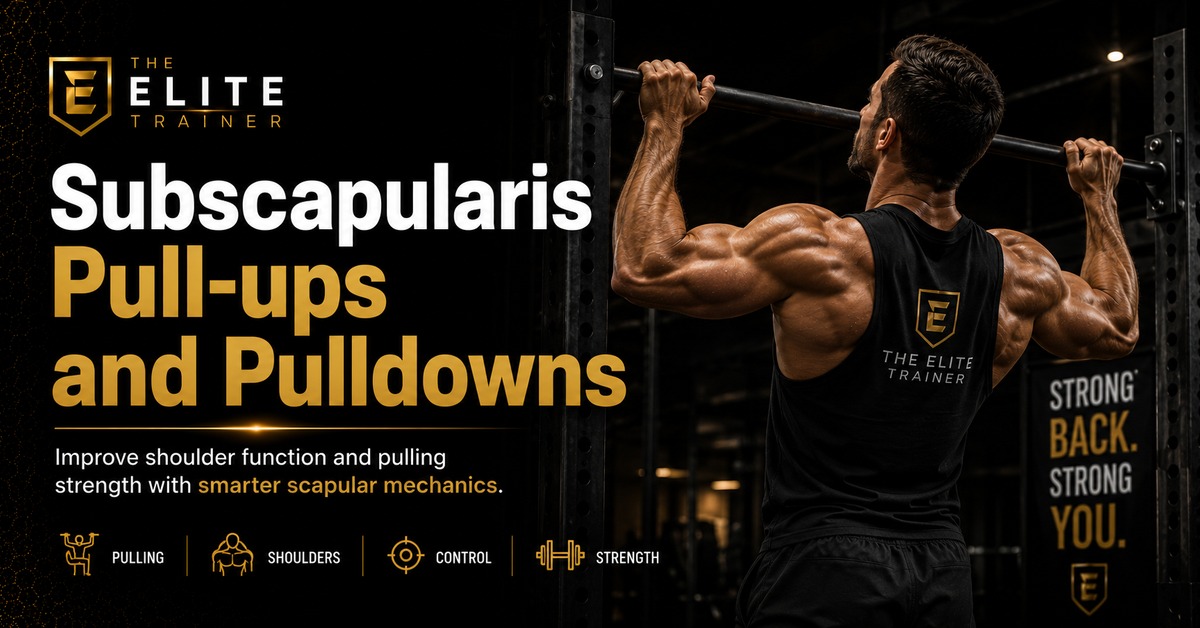
Shoulder stability often depends on muscles most lifters barely think about. These subscapularis pull-up and pulldown variations build control, pulling strength, and healthier shoulders.

Deadlifts should start from a dead stop, not a bounce off the floor. Chantal’s controlled reps show how strict technique, patience, and form-first lifting beat sloppy weight chasing.
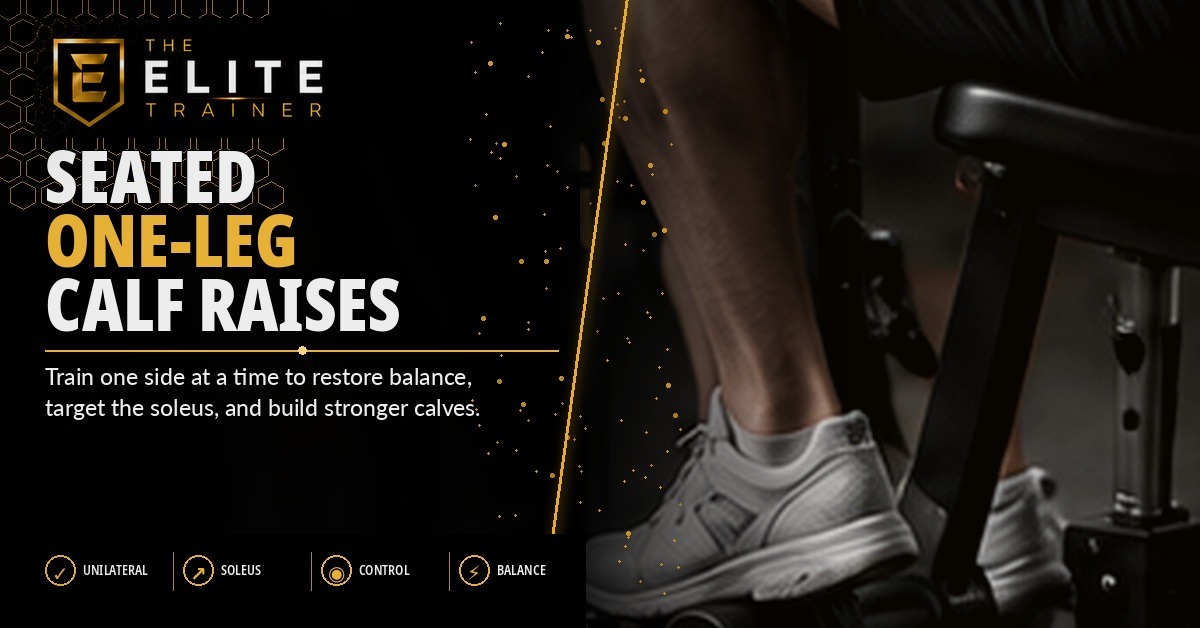
One-leg seated calf raises expose side-to-side differences that bilateral work can hide. Train the soleus directly and give each calf nowhere to cheat.
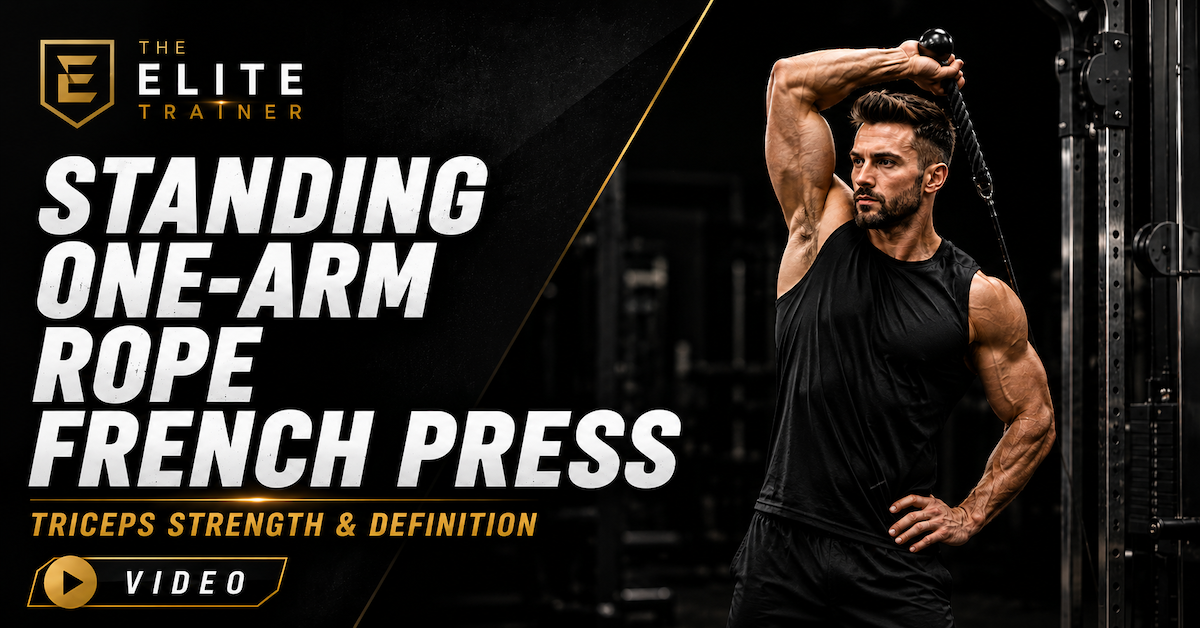
The standing one-arm rope French press gives the triceps constant cable tension without the awkward head-dodging of dumbbell variations. Better clearance, better stretch, and cleaner isolation.
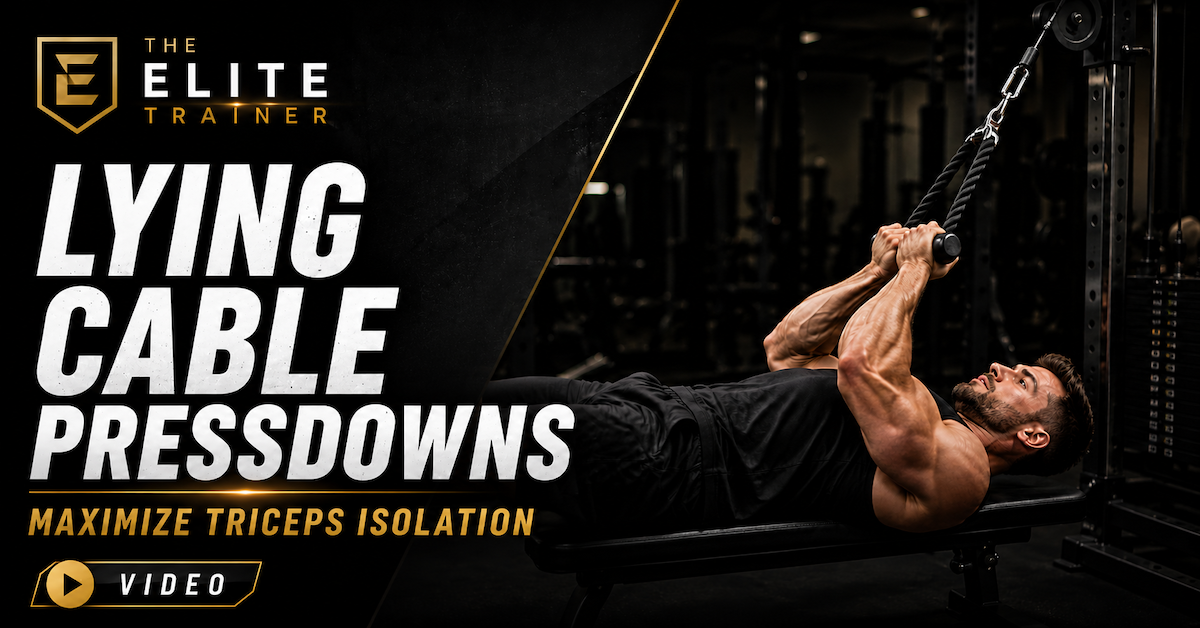
Standing pressdowns often become a full-body heave. Lying cable pressdowns strip out the body English so the triceps have nowhere to hide.
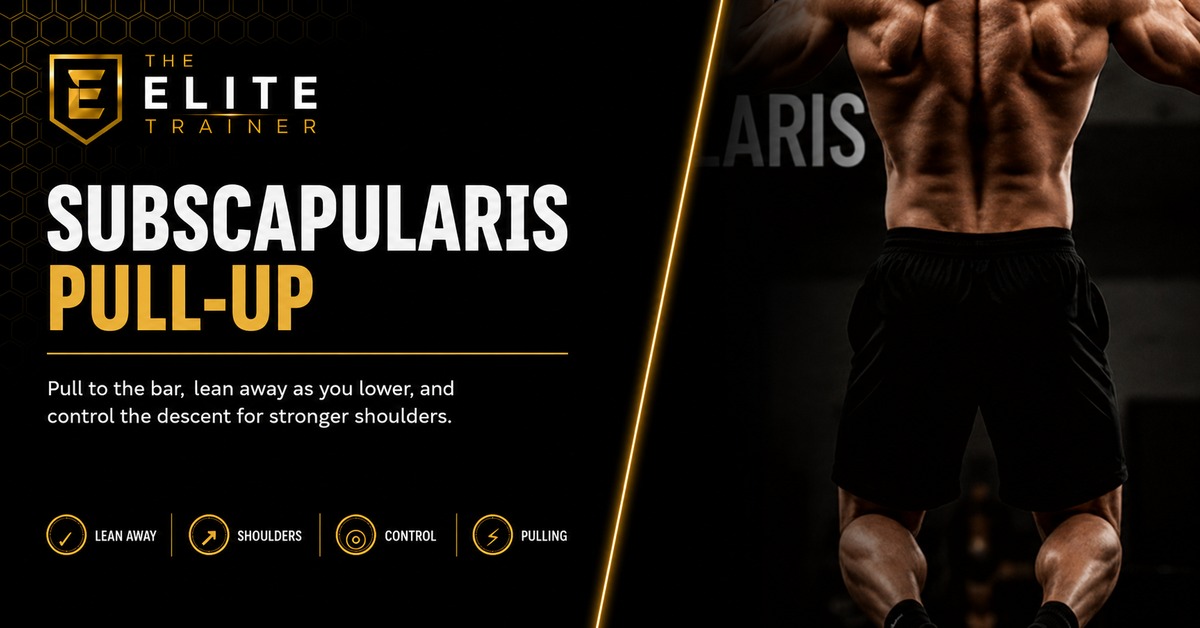
The lean-away pull-up is a smart partner for pressing movements, challenging shoulder control, upper-body strength, and core tension through the lowering phase.
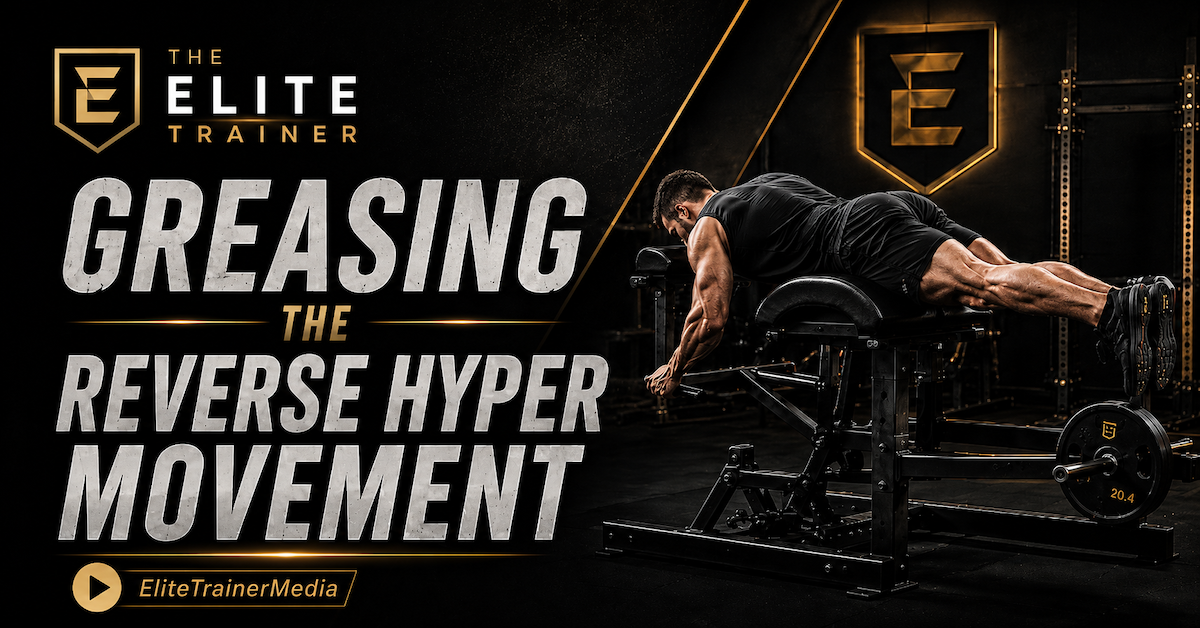
The reverse hyper is not a launchpad. This video cues lifters to control the swing, maintain contact with the ankle pad, and stop blasting the lever arm into orbit.