

Hip isolation work can sharpen the muscles that support squatting, sprinting, jumping, and lower-body control. Keep it strict, controlled, and brutally honest.
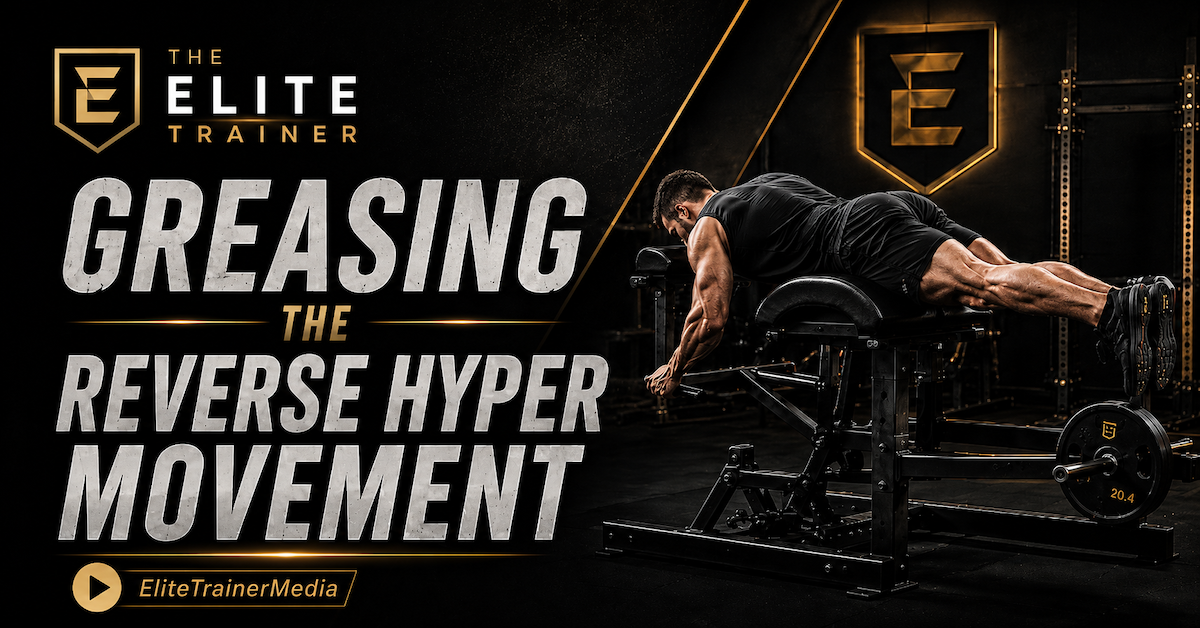
The reverse hyper is not a launchpad. This video cues lifters to control the swing, maintain contact with the ankle pad, and stop blasting the lever arm into orbit.
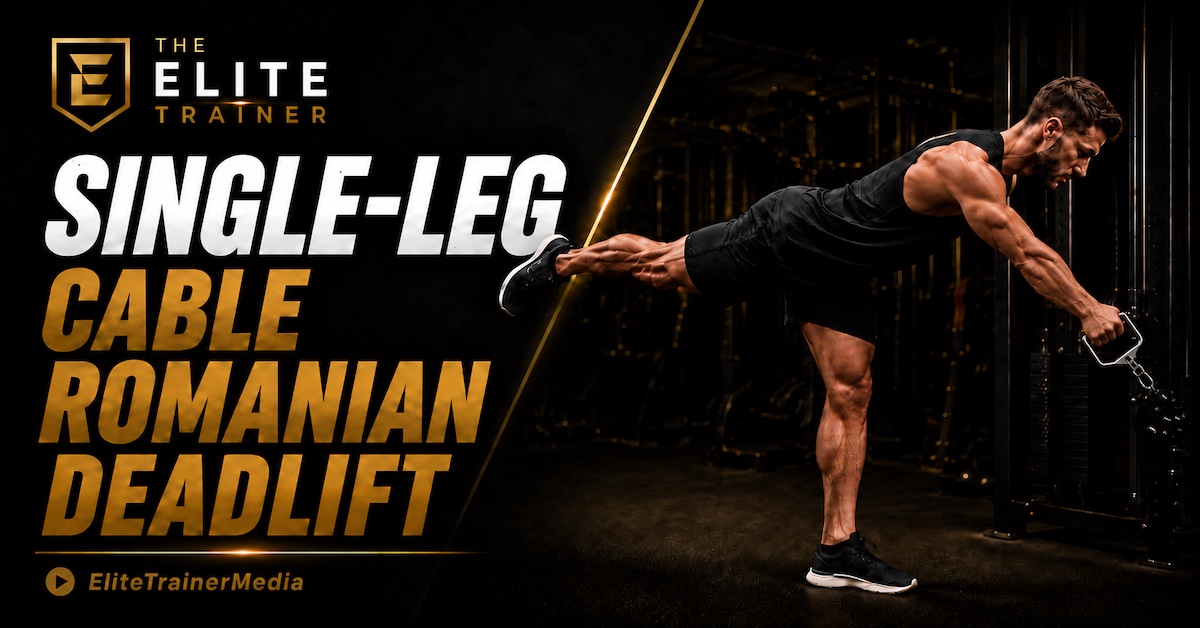
The single-leg cable Romanian deadlift looks simple until balance, hip control, and posterior-chain tension all show up at once. The cable version provides guidance while still lighting up the stabilizers.
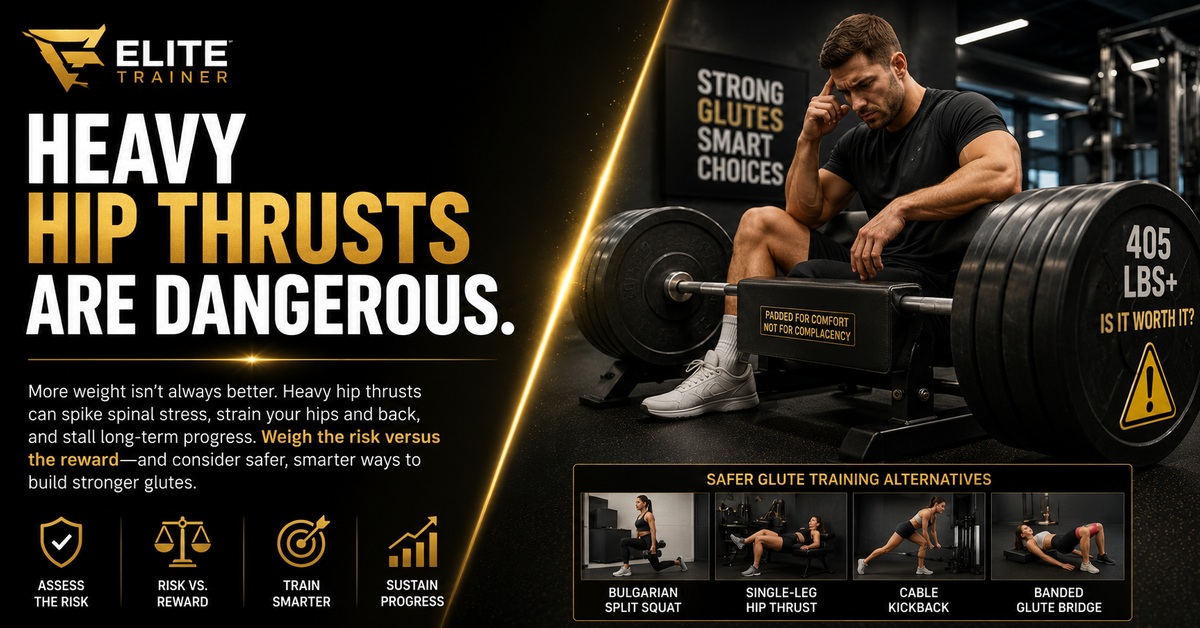
Heavy hip thrusts may carry risks that lifters rarely discuss. Nerve irritation, loading decisions, and exercise alternatives deserve a closer look before piling on weight.
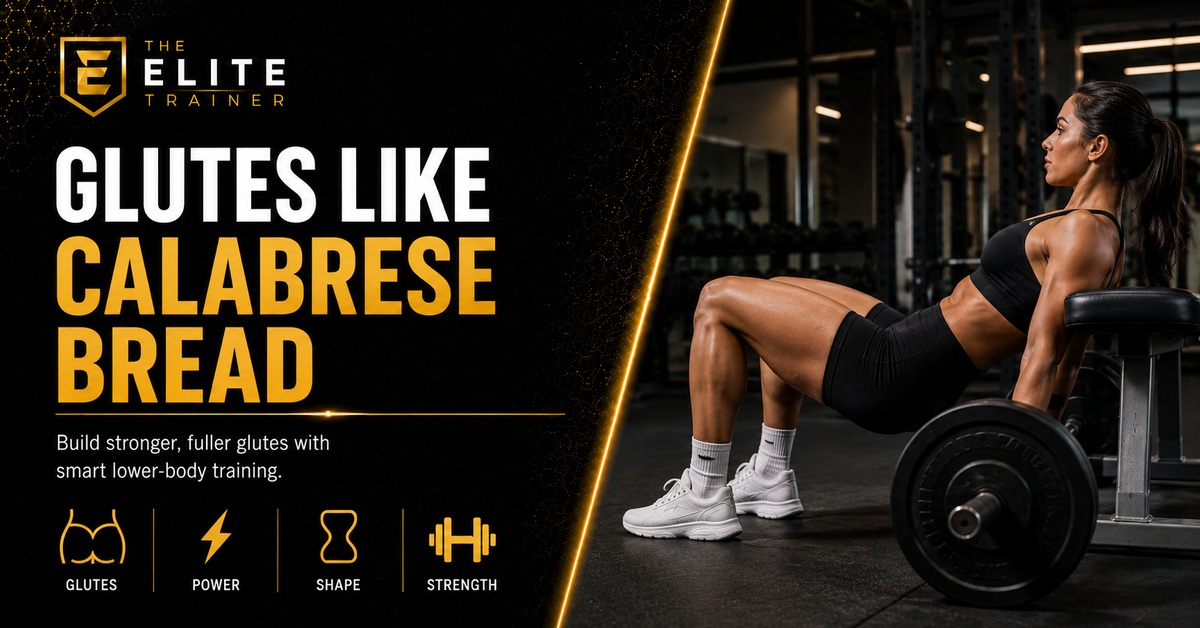
Great glutes are not just for looks; they’re a performance marker. Squats, deadlifts, hip extension, and sprinting wisdom all connect in this memorable training discussion.
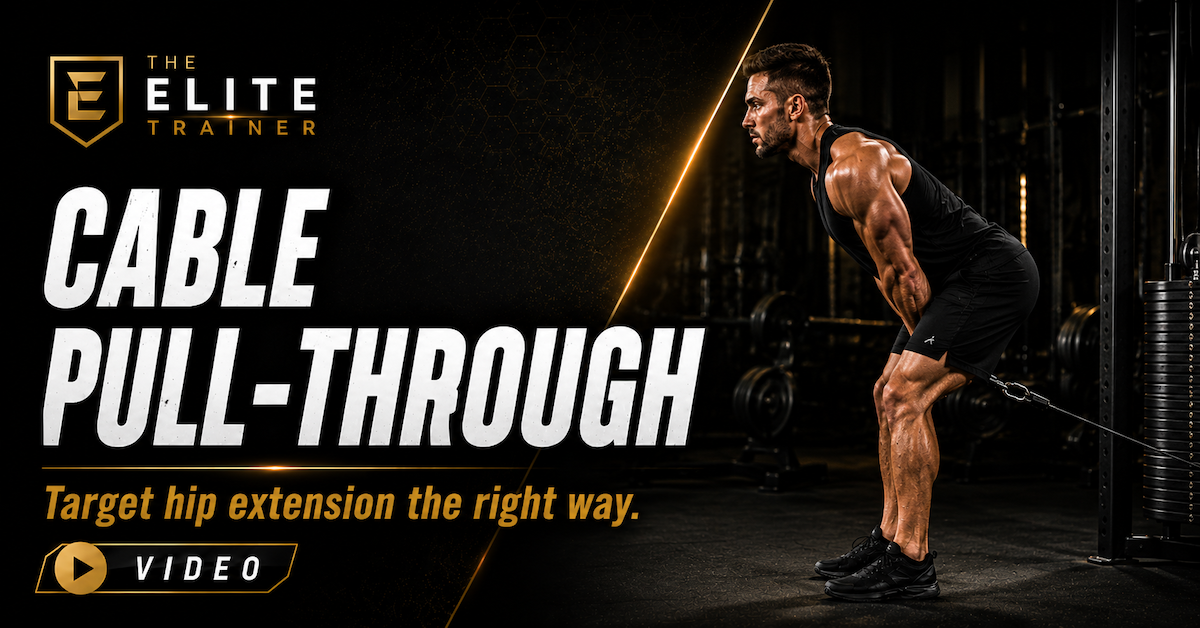
The cable pull-through can be useful for training the hip extensors, but many clients turn it into a back-extension and arm-pulling exercise. This clip shows why coaching the setup matters.
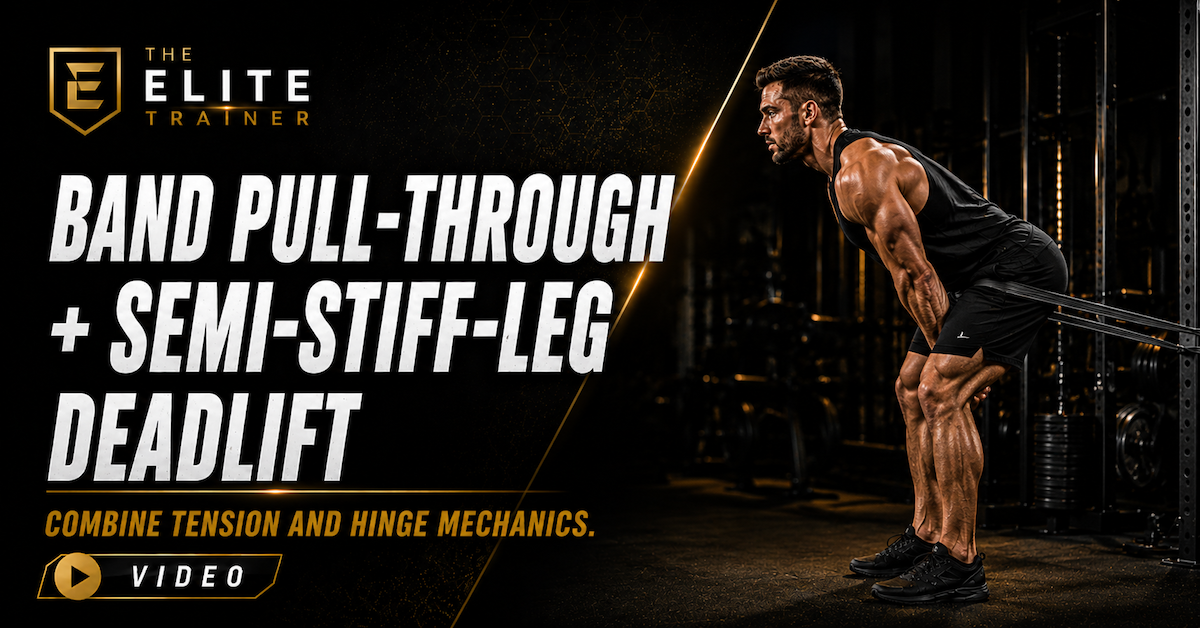
Combining a band pull-through with a semi-stiff-leg deadlift creates a strong posterior-chain sequence. The setup reinforces hip drive first, then adds vertical loading for greater glute and hamstring demand.
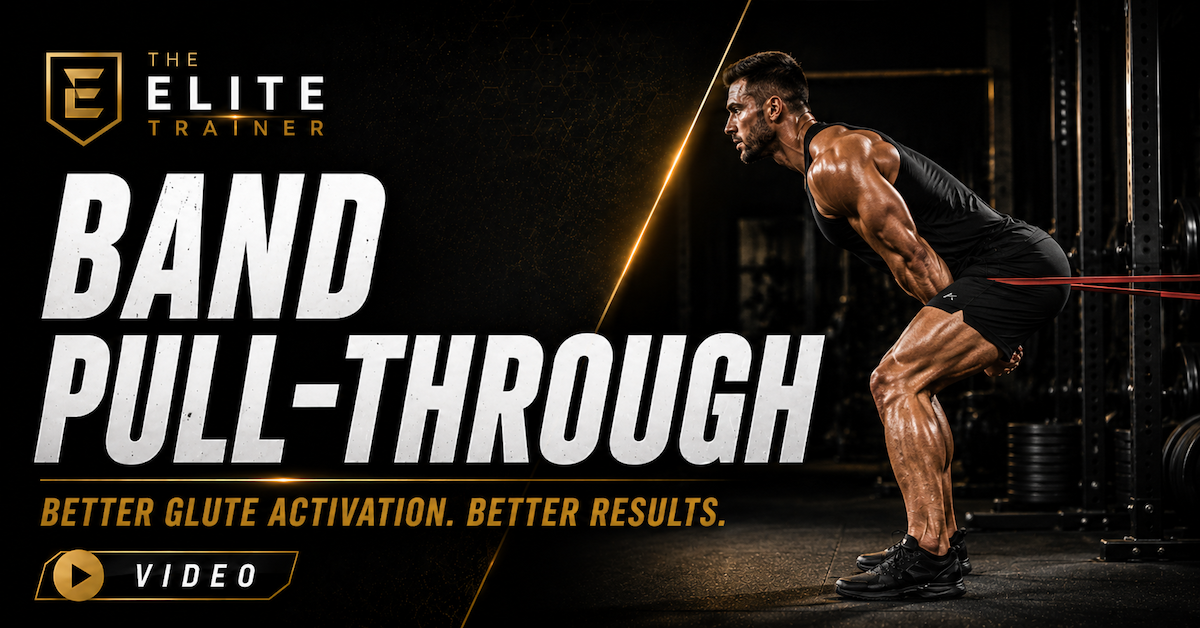
The band pull-through helps teach the hip hinge while keeping the focus on the glutes and hamstrings. It is a smart starting point for clients who struggle to perform cable pull-throughs without compensating.
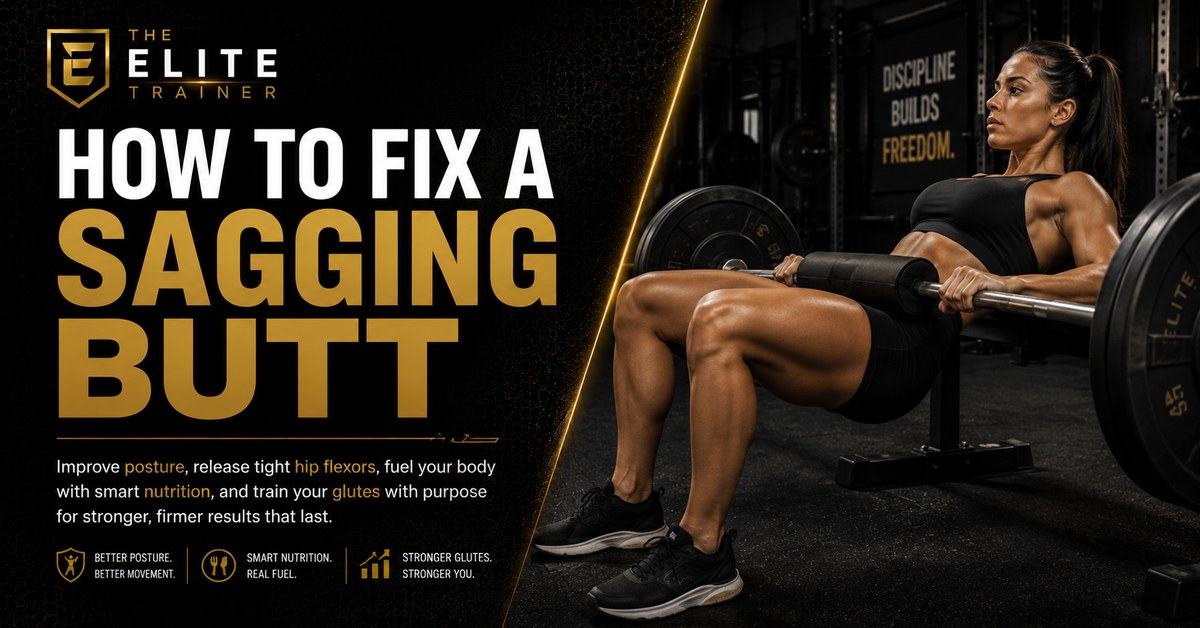
A direct breakdown of why glutes can lose shape—and how posture, hip flexors, nutrition, and smart lower-body training all play a role.

Step-ups lose their value fast when the back leg does the work. John Paul shares a simple technique cue to keep the focus on the working leg and make the movement more effective.