

The rectus femoris can be tricky to target because it crosses both the hip and knee. A lying single-leg extension changes the setup to make quad work more precise and focused.
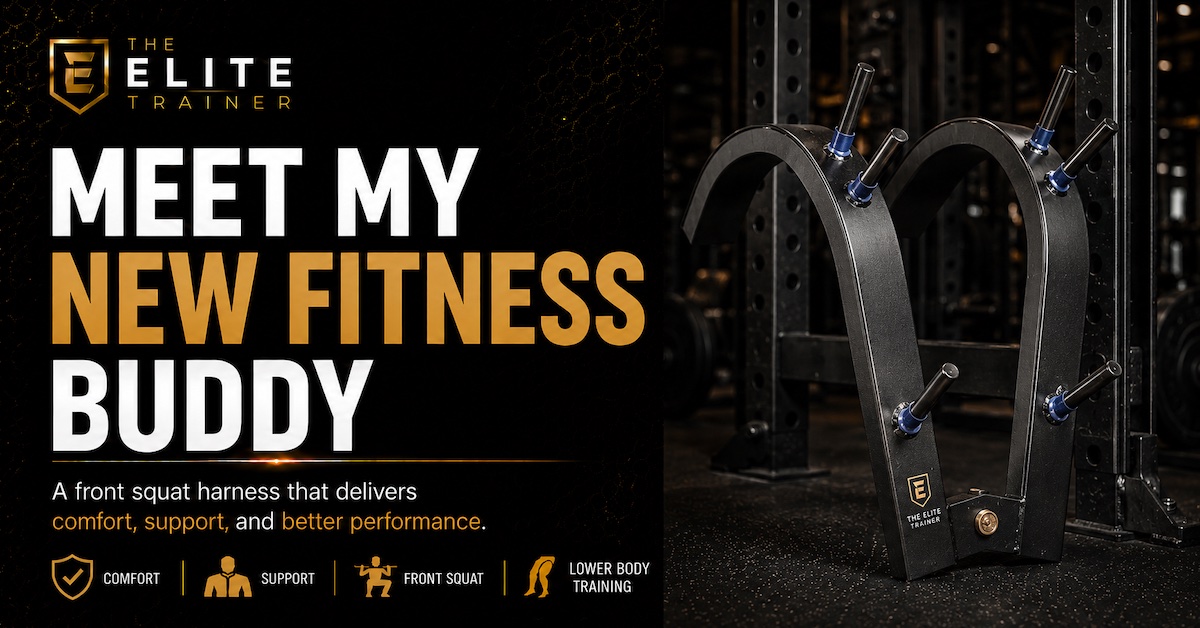
Front squats are brutally effective, but they are not friendly to every wrist, shoulder, or rack position. A front squat harness offers another way to load the movement while preserving the benefits.
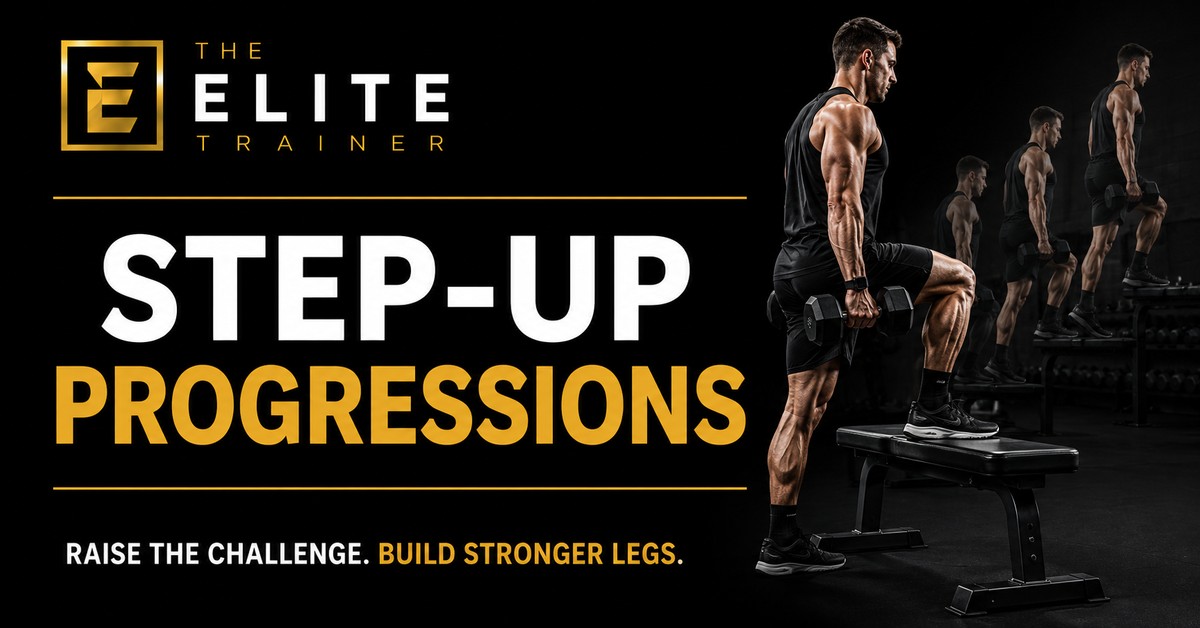
Step-ups are only as useful as the way you progress them. Explore how changing height, direction, loading, and support can turn a simple lower-body exercise into a stronger training tool.

Hip isolation work can sharpen the muscles that support squatting, sprinting, jumping, and lower-body control. Keep it strict, controlled, and brutally honest.
Heavier isn’t the only way to increase work. Expanding range of motion in squats and deadlifts can add distance, challenge, and long-term strength potential.
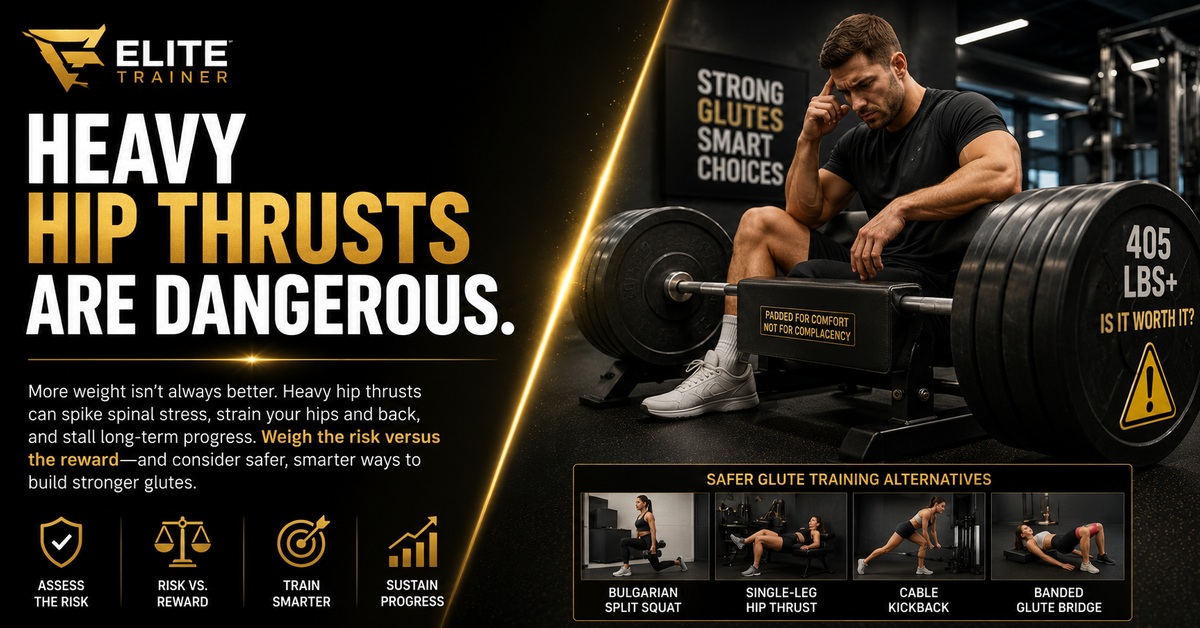
Heavy hip thrusts may carry risks that lifters rarely discuss. Nerve irritation, loading decisions, and exercise alternatives deserve a closer look before piling on weight.
A different take on hamstring training that makes the case for lighter leg curls, better control, and smarter tension where it actually counts.
A direct breakdown of why glutes can lose shape—and how posture, hip flexors, nutrition, and smart lower-body training all play a role.
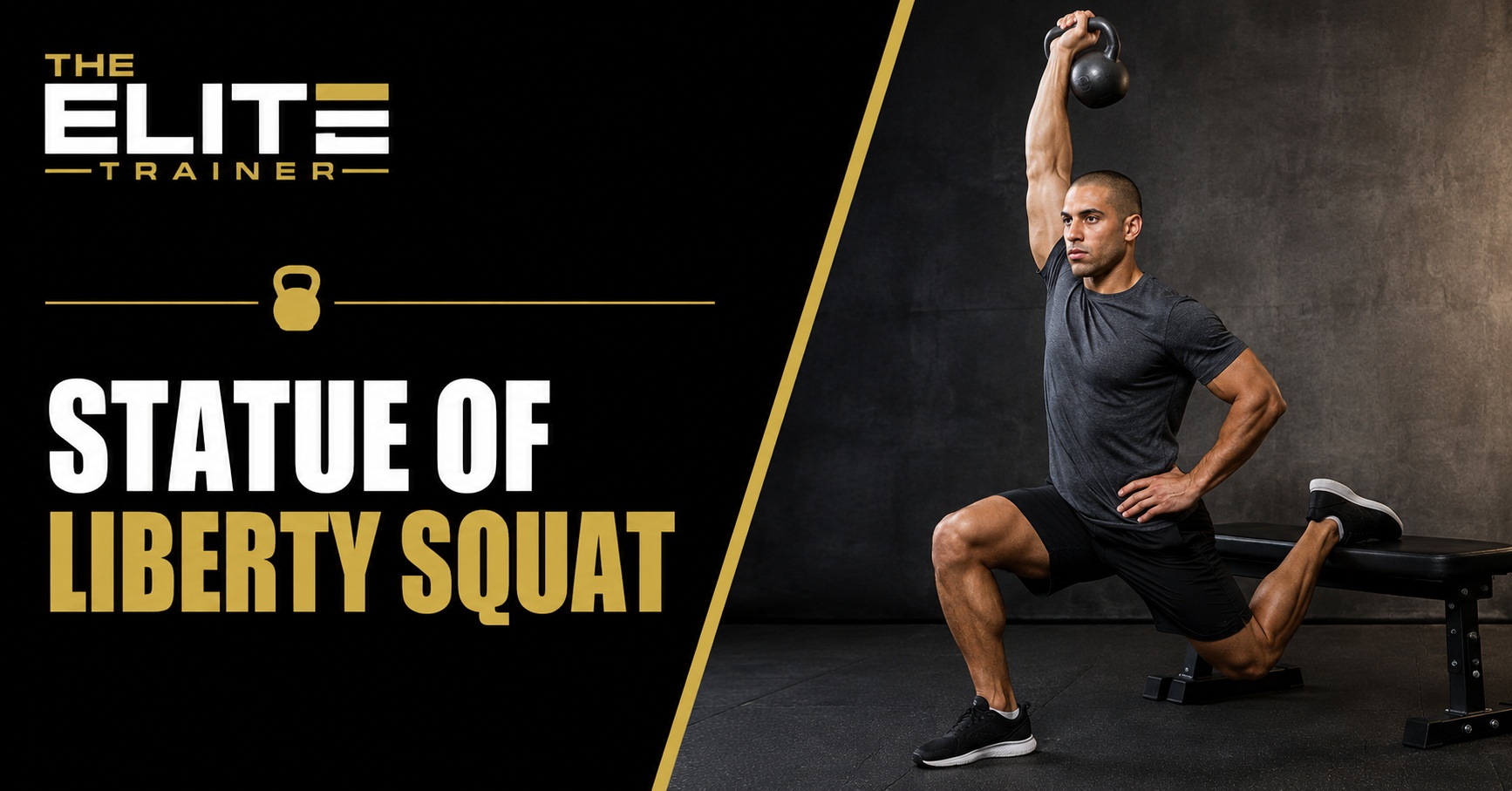
The rear-foot-elevated split squat gets a mobility upgrade with one simple change. John Paul introduces the Statue of Liberty Squat to stretch the hip flexors and load a longer fascial line.

Step-ups lose their value fast when the back leg does the work. John Paul shares a simple technique cue to keep the focus on the working leg and make the movement more effective.