

Revisit the website’s most-read content from 2018, including training strategies, health stories, nutrition takes, and recovery ideas that readers kept coming back to.
One evening yoga session produced an unusually strong night of REM sleep. The result raises a useful question about timing, relaxation, and recovery.
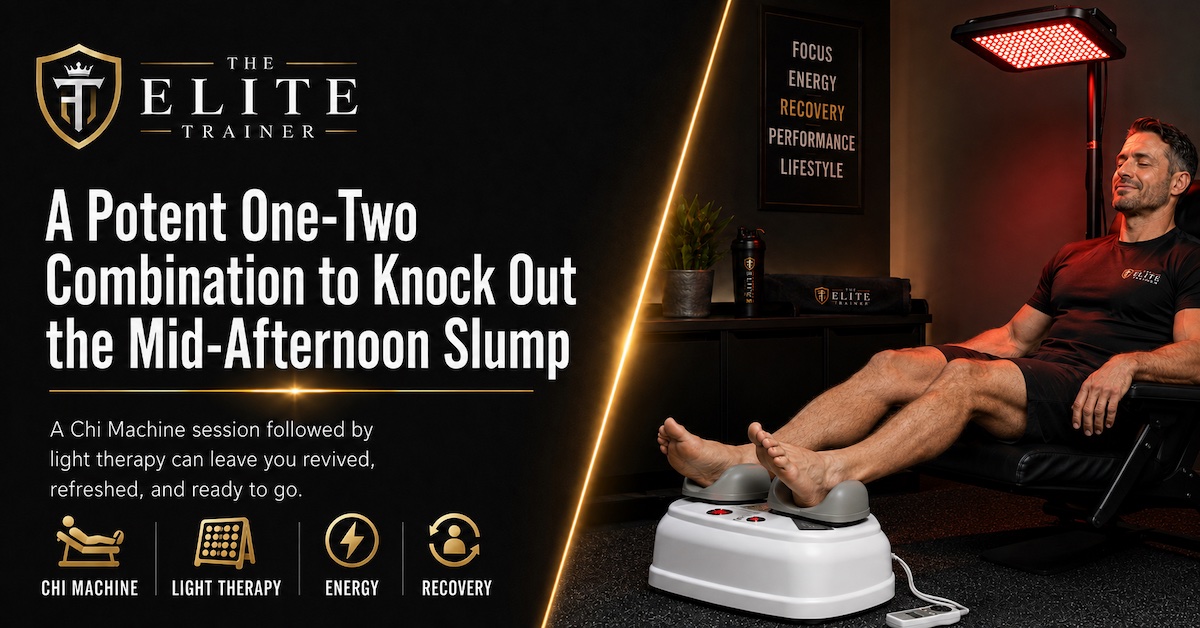
Mid-afternoon energy crashes do not always need more caffeine. A short recovery session and light exposure may offer a sharper way to reset the day.
Feeling sick does not always mean the same training decision. The neck rule offers a simple way to judge when to scale volume, when to rest, and when to stay out of the gym.
A dark bedroom matters, but daytime light exposure may matter even more. This sleep piece connects intense sunlight, circadian rhythm, and deeper recovery after long days in the sun.
Sleep consistency starts before the morning alarm. Setting a bedtime alarm can help lock in a better rhythm for recovery, energy, and training performance.
Falling asleep is not always as simple as closing your eyes. This short sleep piece shares a nighttime tea-and-relaxation strategy aimed at helping the body wind down before bed.
Learn the results of the 12-day training experiment, including how nutrition, recovery support, and a higher-rep, faster-tempo approach helped break plateaus, boost muscle growth, and deliver a powerful new stimulus for hypertrophy.
Discover the 10 core strength training rules John Paul Catanzaro usually follows—from reps, rest, and tempo to workout duration and recovery—and learn what inspired him to challenge them with an unconventional 12-day training experiment.
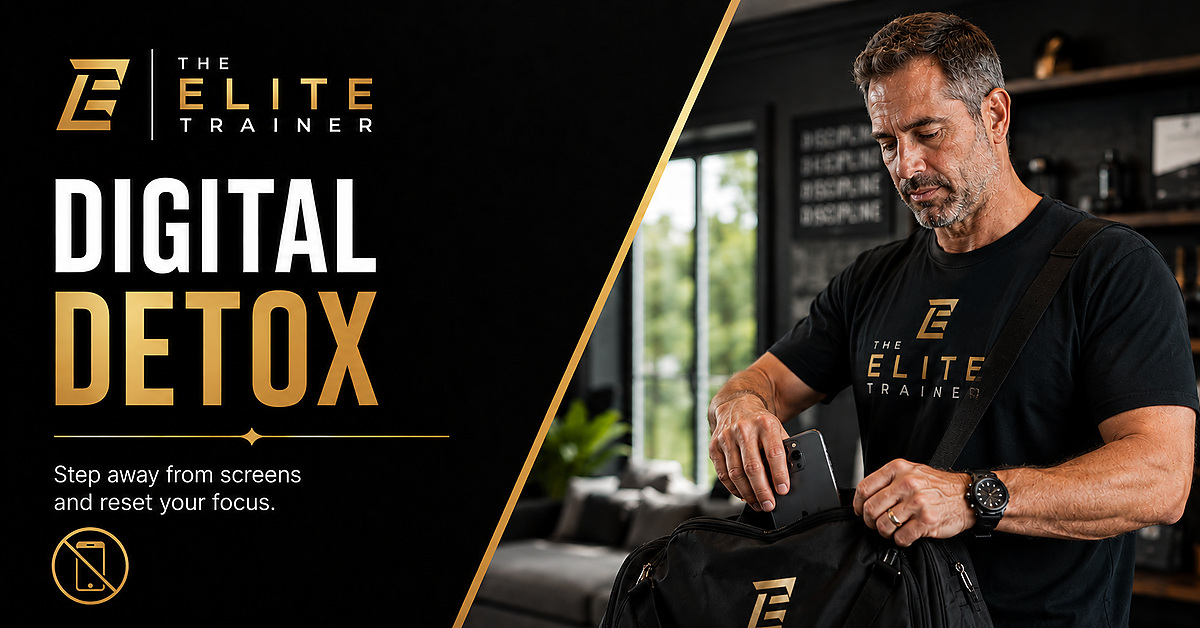
Detox is not just about food. This post takes a look at electrosmog, sleep quality, and the hidden recovery cost of constant digital exposure.