
Should You Do a Detox?

Toxic overload can have a huge impact on your energy, digestion, joint health, and overall well-being. While there are many diagnostic tests available, here’s a simple and inexpensive self-assessment you can do right now.

I first learned this method from Dr. Abbas Qutab after attending his lecture in 2008. Just answer the following questions to see if you may benefit from a detox.

Detox Self-Assessment

Do you experience any of the following?

  • Fatigue or low energy
  • Early morning stiffness or stiffness after rest
  • Brain fog, dizziness, or trouble concentrating
  • Cracking joints
  • Frequent headaches or back pain
  • Generalized aches and pains
  • Frequent sinus issues
  • Afternoon sleepiness
  • Gas and bloating after meals
  • Slow recovery from exercise
  • Bruising easily
  • Sluggish metabolism or difficulty losing weight
  • Food allergies or frequent chemical exposure
  • Frequent use of pain relievers
  • Family history of arthritis or autoimmune disorders
  • Irregular bowel movements (less than twice per day)
  • Dependence on coffee, cigarettes, candy, or soda for energy
  • Living or working in spaces that feel better when “aired out”
  • Showering with unfiltered municipal water
  • Eating mostly conventional (non-organic) foods
  • Rarely replacing your home’s air filters
  • Recently considering a detox program

If you answered “Yes” to 4 or more questions, your current symptoms may be due to toxic overload, and a detox can help.

What’s Next?

Tomorrow, I’ll share a one-week detox plan that I’ve used successfully with many clients over the years. It’s simple, effective, and not a juice fast!

Stay tuned!

55 years strong chin-up

55: Don’t Let the Old Man In

At 55, the grey hair may suggest one thing, but strength, leanness and physical capability can tell another story. A personal look at aging, health, discipline and the habits that keep the “old man” outside the door.
Read More
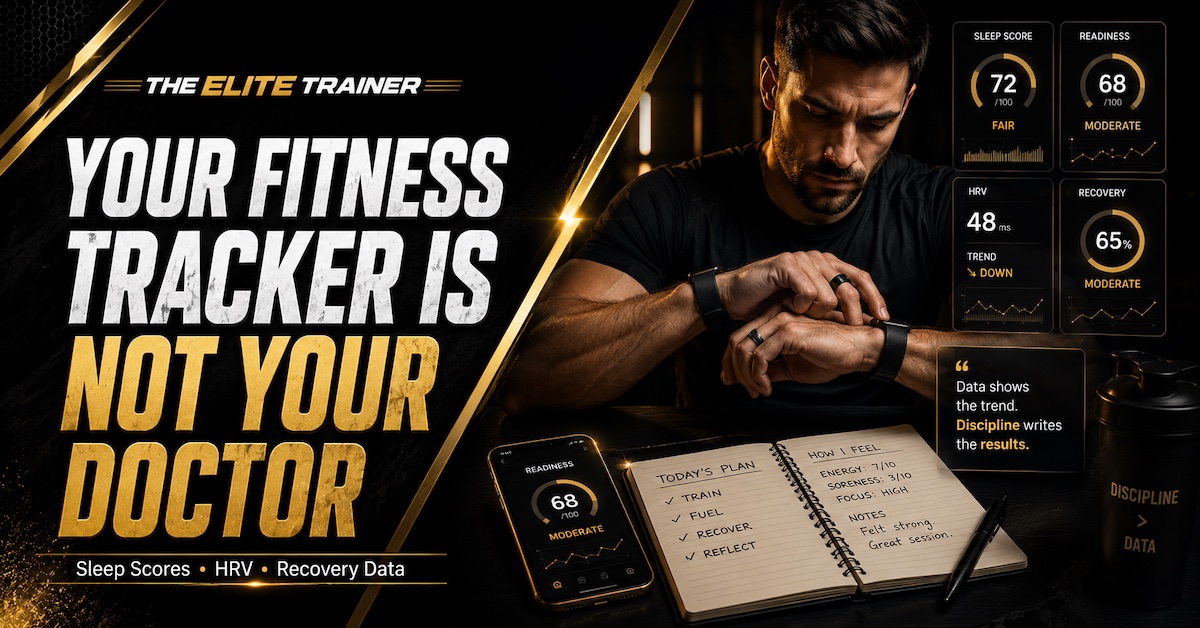
Your fitness tracker is not your doctor

Your Fitness Tracker Is Not Your Doctor

Wearables can reveal valuable patterns in sleep, HRV and recovery—but a score is not a diagnosis, and sometimes the data can work against you. Learn how to use Oura, WHOOP, Apple Watch and other fitness trackers without letting the algorithm overrule your body.

Read More
follow
This error message is only visible to WordPress admins

Error: No feed with the ID 2 found.

Please go to the Instagram Feed settings page to create a feed.