
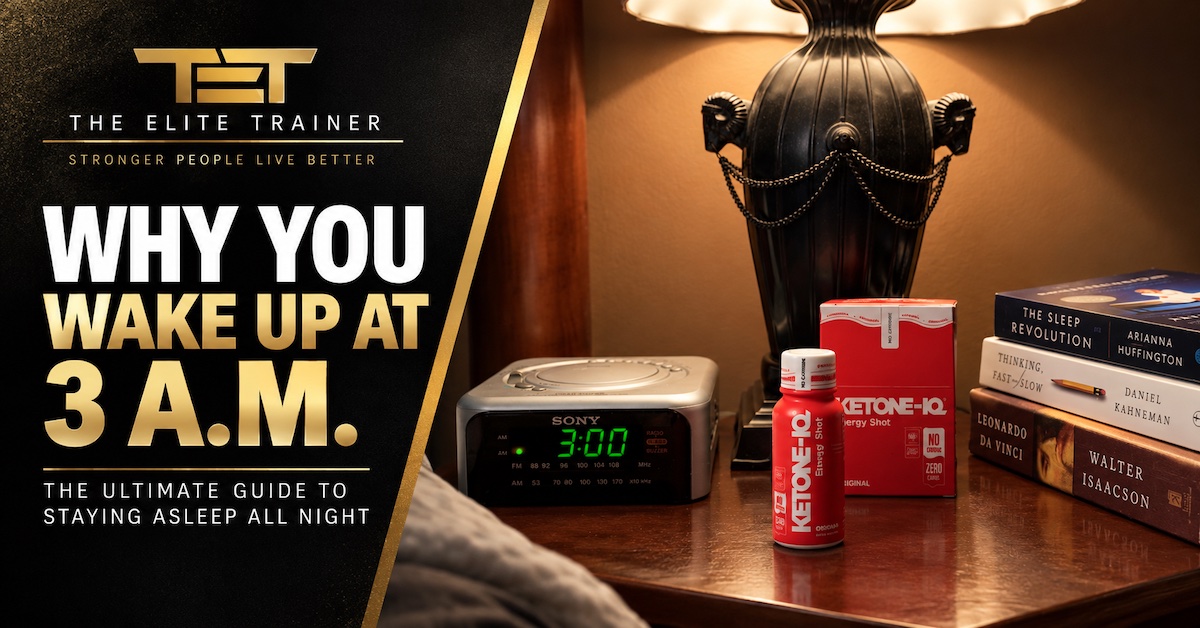
Waking up in the middle of the night becomes more common with age, and the fix is not always the same as the one for falling asleep. Learn the most effective strategies for sleep maintenance, from dinner timing and supplement support to a promising new ketone experiment for people who cannot stay asleep.

Better sleep starts with habits that actually support recovery. These six practical tips cover the basics for winding down, staying consistent, and improving nightly rest.

Late-night training, suspenseful TV, and blue light can keep your nervous system wired when it should be winding down. Here’s how to protect sleep before bedtime.

Four straightforward health and performance habits covering sleep, vitamin D, breakfast, and recovery—simple ideas that are easy to overlook.
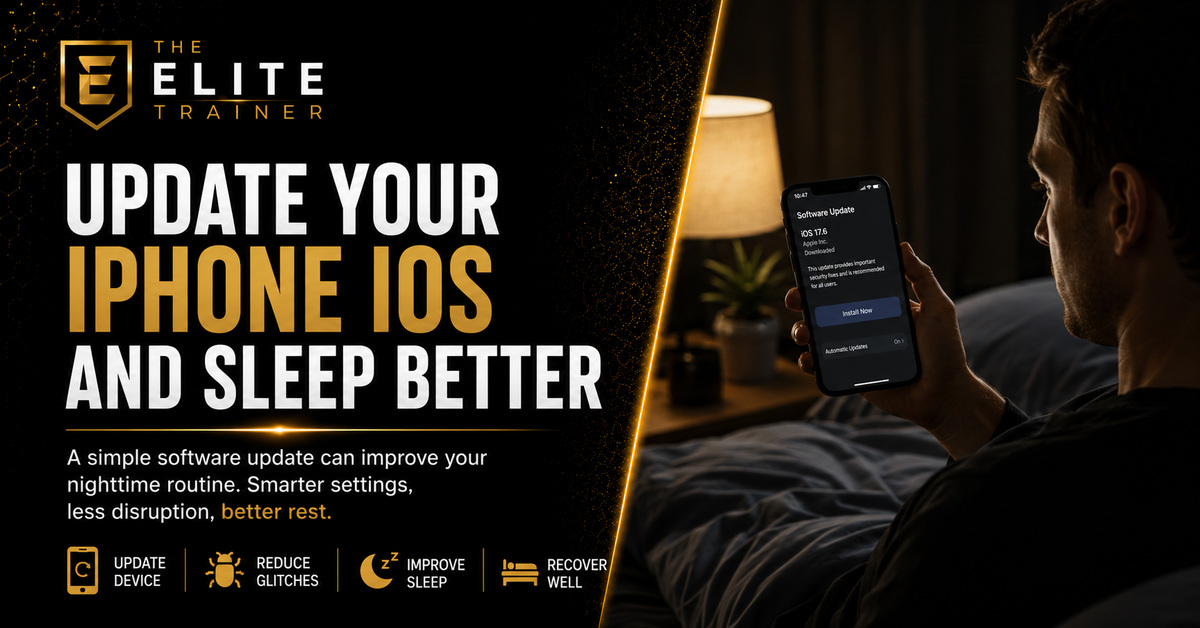
Blue light can wreck your wind-down routine, but your phone may already have a built-in fix. Night Shift offers a simple way to reduce evening screen disruption and support better sleep habits.

A dark bedroom matters, but daytime light exposure may matter even more. This sleep piece connects intense sunlight, circadian rhythm, and deeper recovery after long days in the sun.
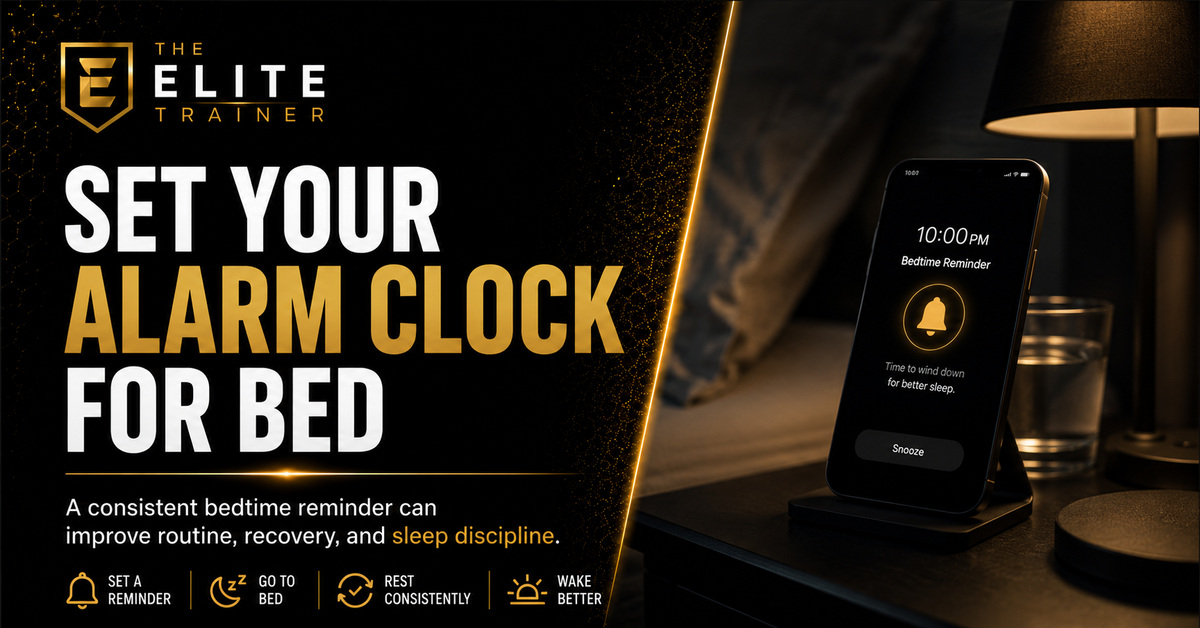
Sleep consistency starts before the morning alarm. Setting a bedtime alarm can help lock in a better rhythm for recovery, energy, and training performance.

Falling asleep is not always as simple as closing your eyes. This short sleep piece shares a nighttime tea-and-relaxation strategy aimed at helping the body wind down before bed.

Light exposure after dark can do more than annoy your eyes—it can disrupt the sleep signals lifters depend on for recovery. Corey Hart’s famous lyric gets a recovery-minded twist here.

Detox is not just about food. This post takes a look at electrosmog, sleep quality, and the hidden recovery cost of constant digital exposure.