
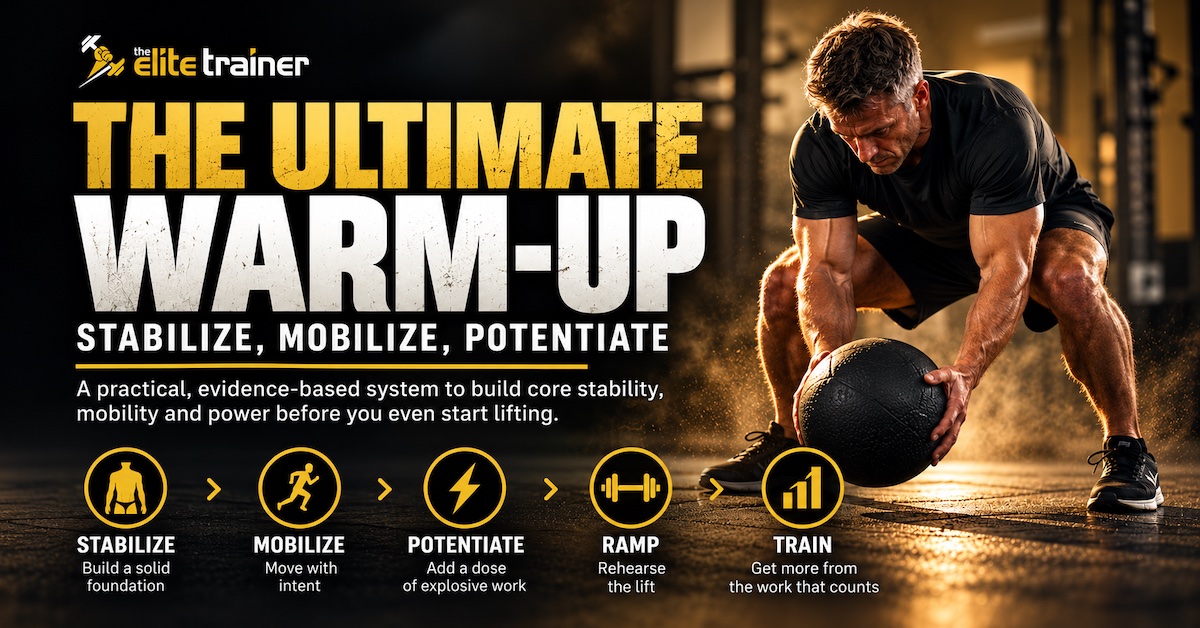
Most warm-ups either do too little or become workouts of their own. This three-stage system combines core stability, dynamic mobility and explosive potentiation to prepare you for more productive strength training without creating unnecessary fatigue.
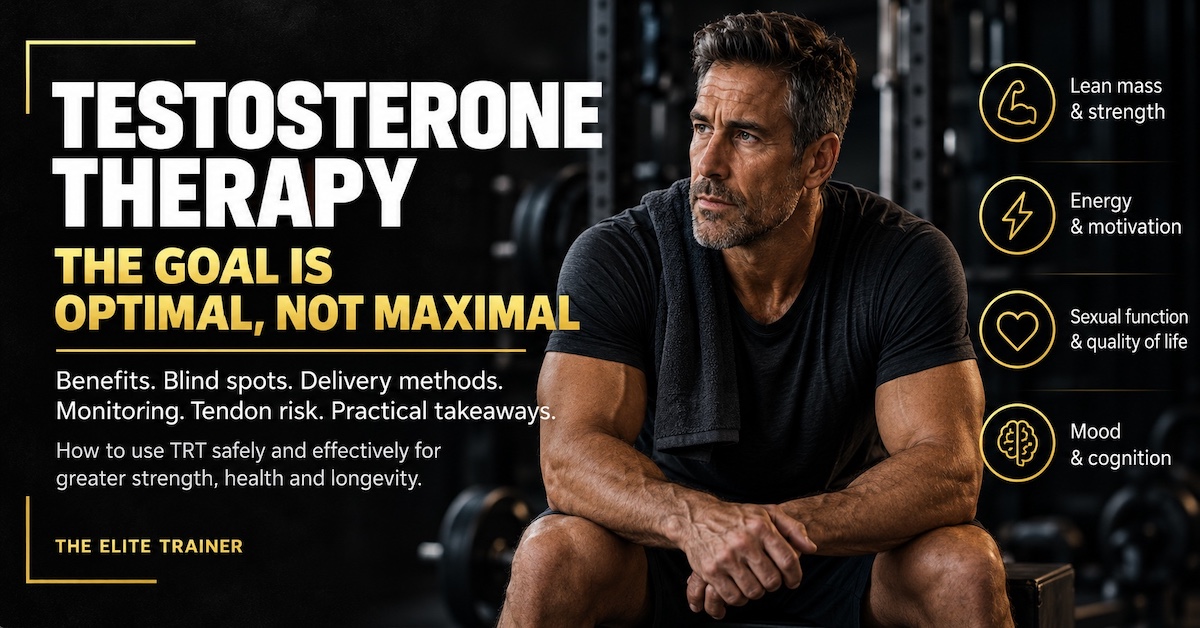
Testosterone therapy can improve strength, body composition, sexual function and quality of life, but more is not always better. Learn what the latest evidence says about optimal testosterone levels, estradiol, injections, creams, gels, pellets, cardiovascular and prostate health, fertility, tendon risk and intelligent TRT monitoring.

Can standing on one leg reveal your ‘balance age’? Learn what the one-leg stand test really tells you about aging, fall risk and balance, and why strength still matters.
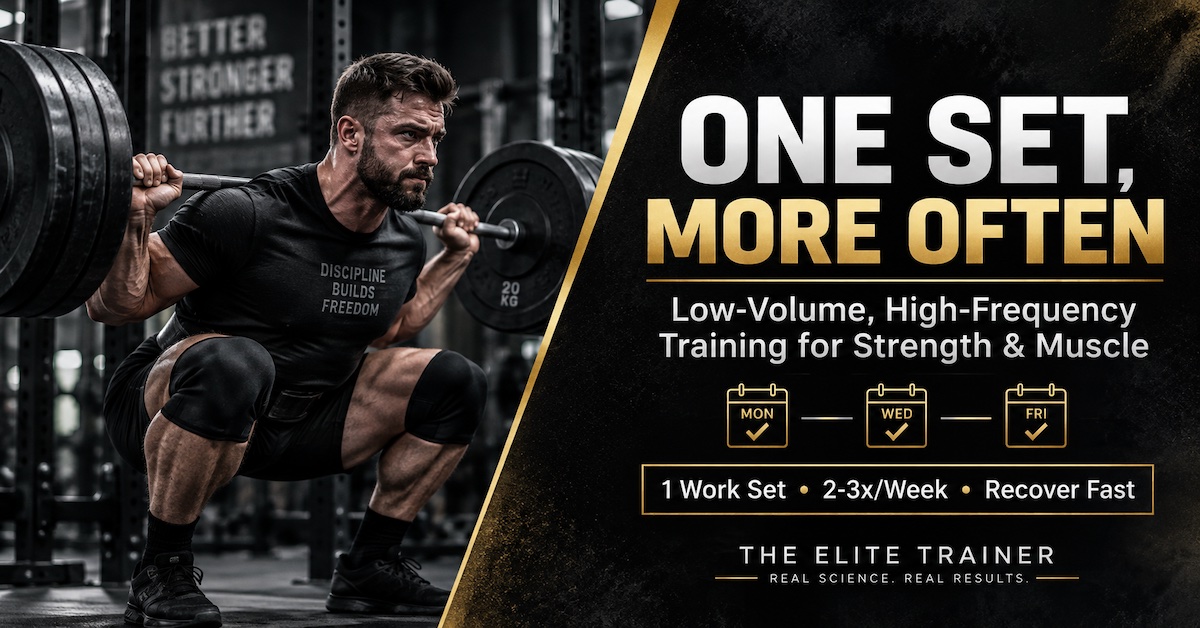
Can one hard set build serious strength and muscle? Discover how low-volume, high-frequency training uses quality work, faster recovery and frequent exposure to keep progress moving.

At 55, the grey hair may suggest one thing, but strength, leanness and physical capability can tell another story. A personal look at aging, health, discipline and the habits that keep the “old man” outside the door.
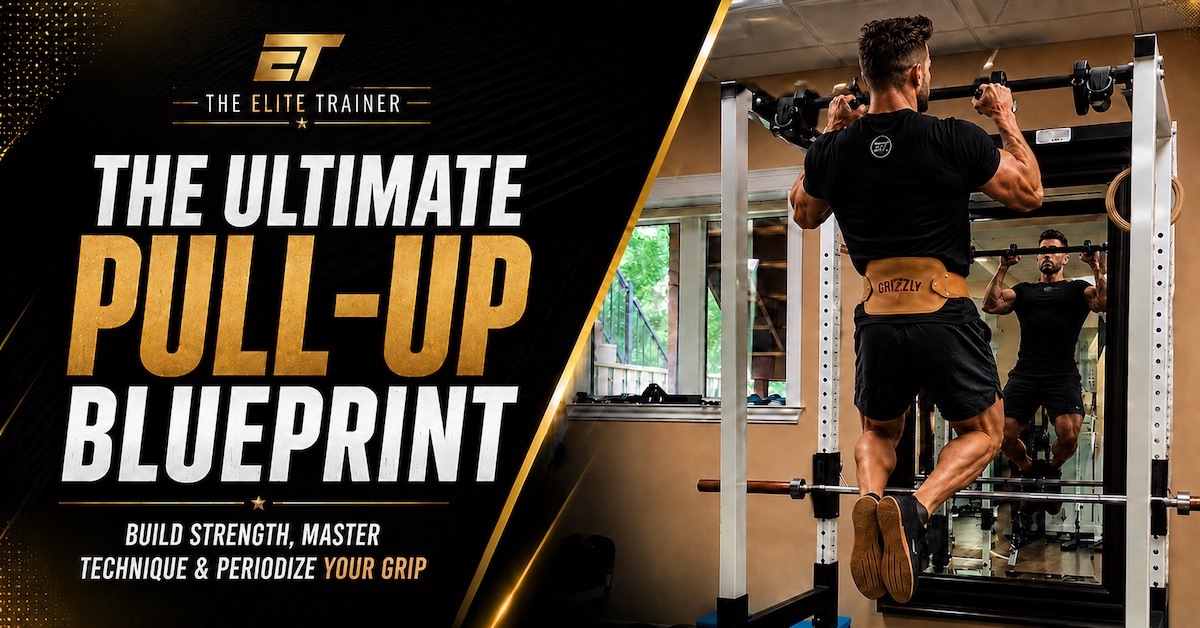
Pull-ups are the deadlift of the upper body—but most lifters never program them with the same attention they give their major lifts. Learn how to master proper technique, progress from zero reps to weighted pull-ups, periodize your grip, protect your joints and use Swissies-SP handles to expand your training options.
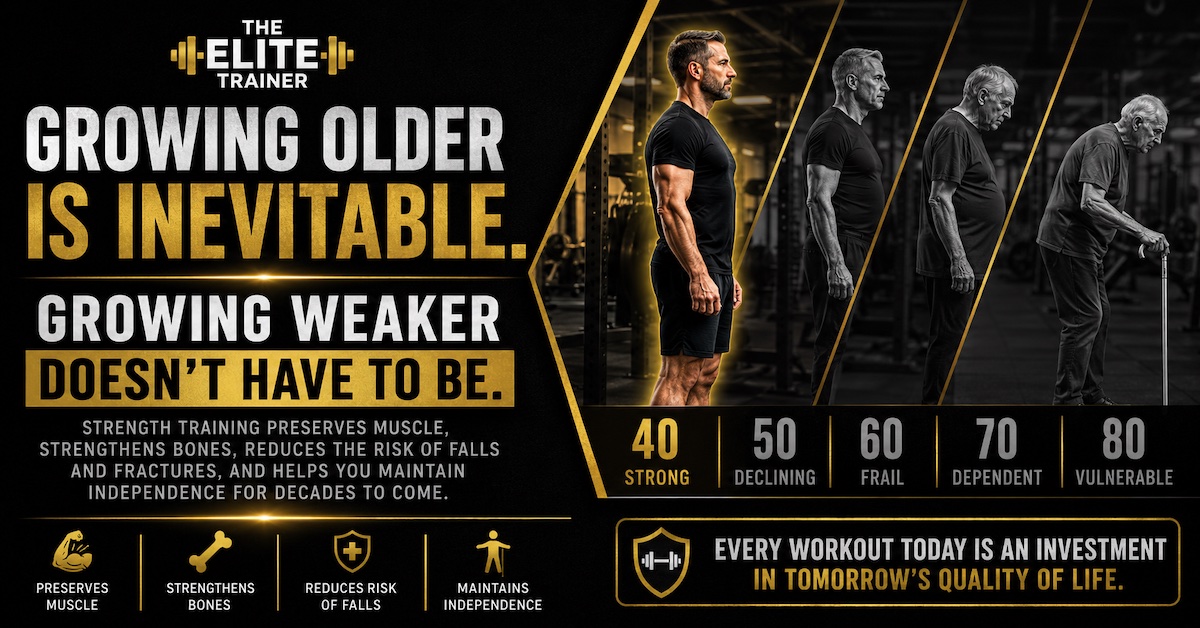
Growing older is inevitable, but growing weaker doesn’t have to be. Discover how strength training preserves muscle and bone, reduces fall risk, and protects your independence for decades to come.
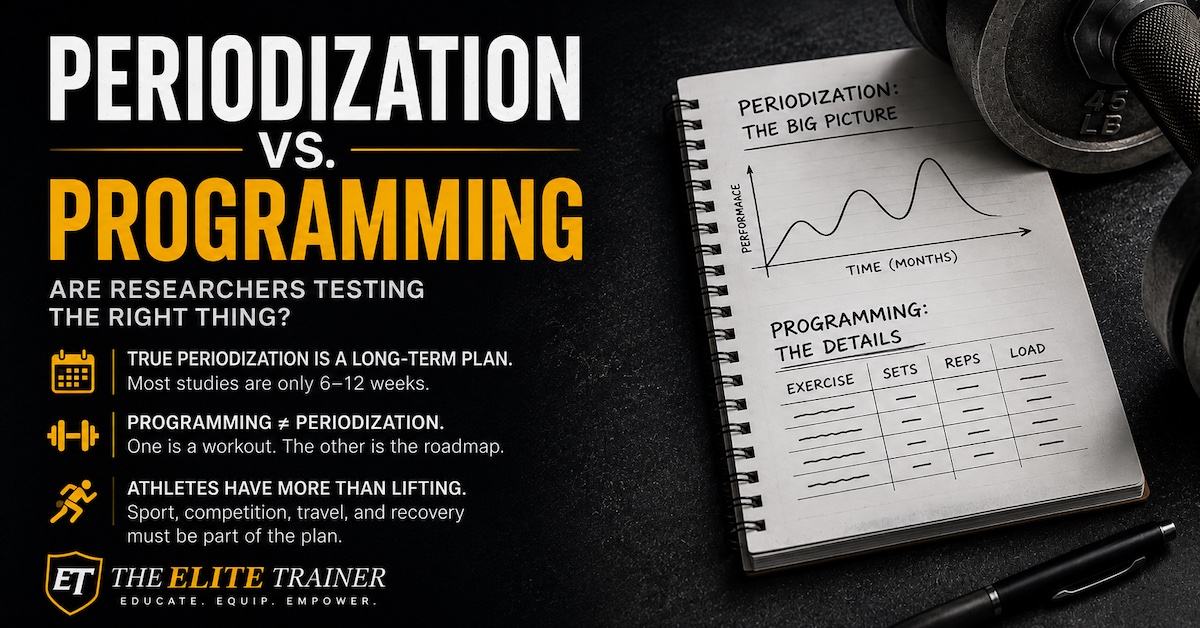
Discover why many resistance training studies may not actually be testing periodization. Learn the difference between programming and periodization.
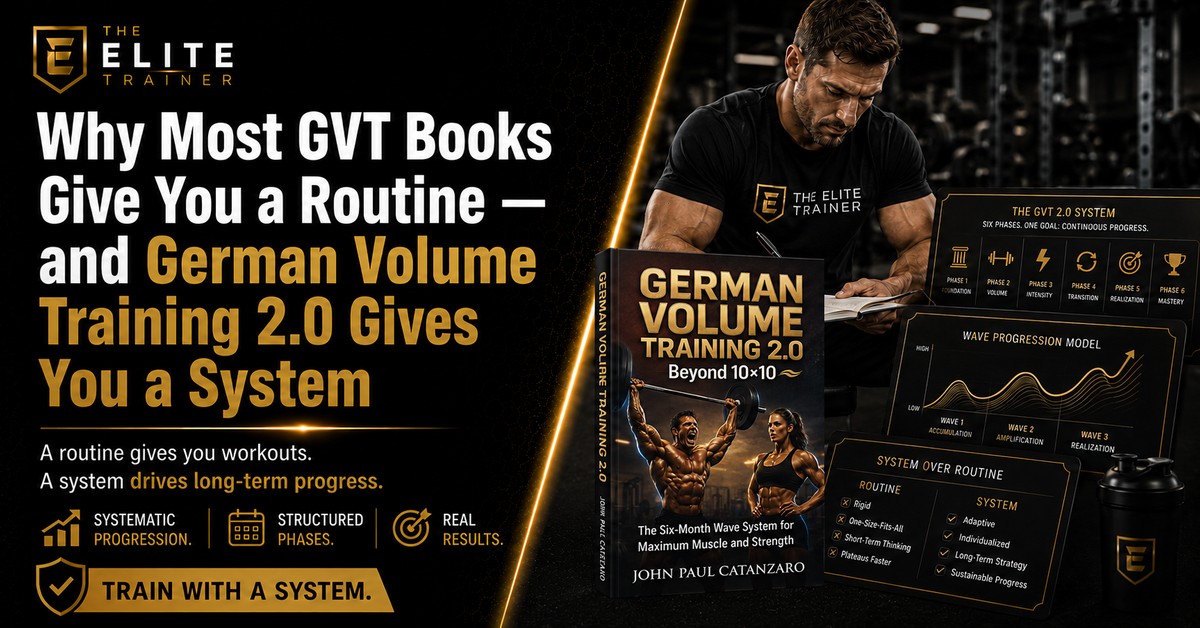
German Volume Training works best when it is programmed as more than a one-off 10×10 challenge. Explore how German Volume Training 2.0 turns the classic method into a structured six-phase system for building muscle, strength, and work capacity over time.
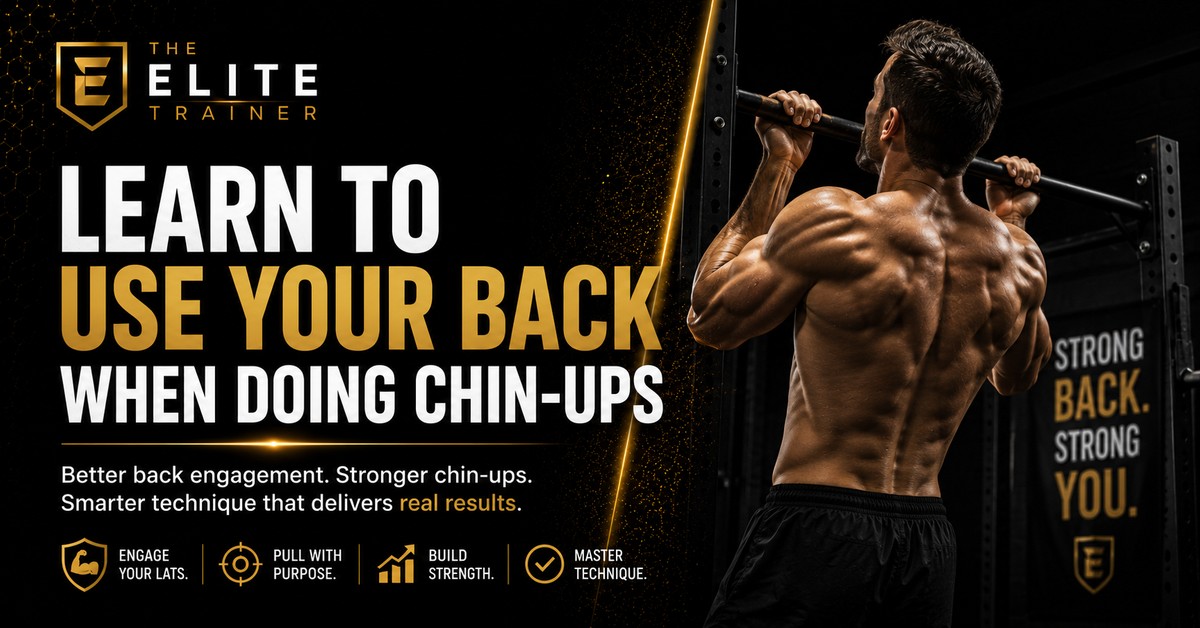
Chin-ups are a back exercise first, but many lifters turn them into an arm-dominant grind. Better intent, setup, and execution help the lats do the job they are built to do.