
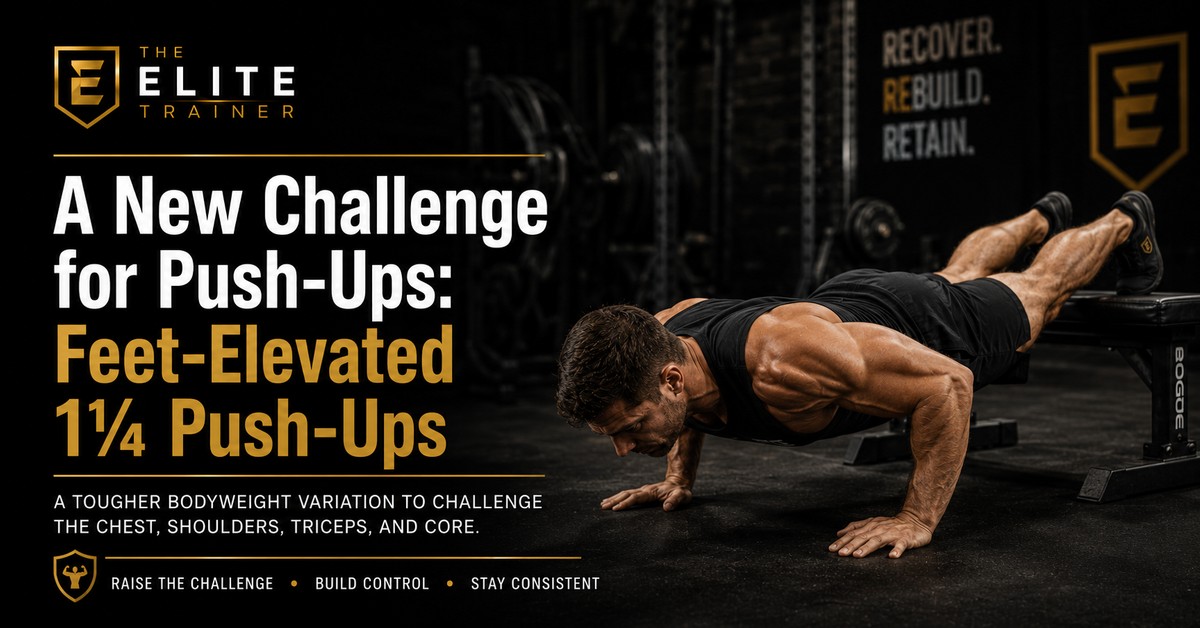
Feet-elevated 1¼ push-ups make a basic bodyweight exercise much nastier. The added partial rep increases time under tension and gives the chest, shoulders, triceps, and core a tougher challenge.
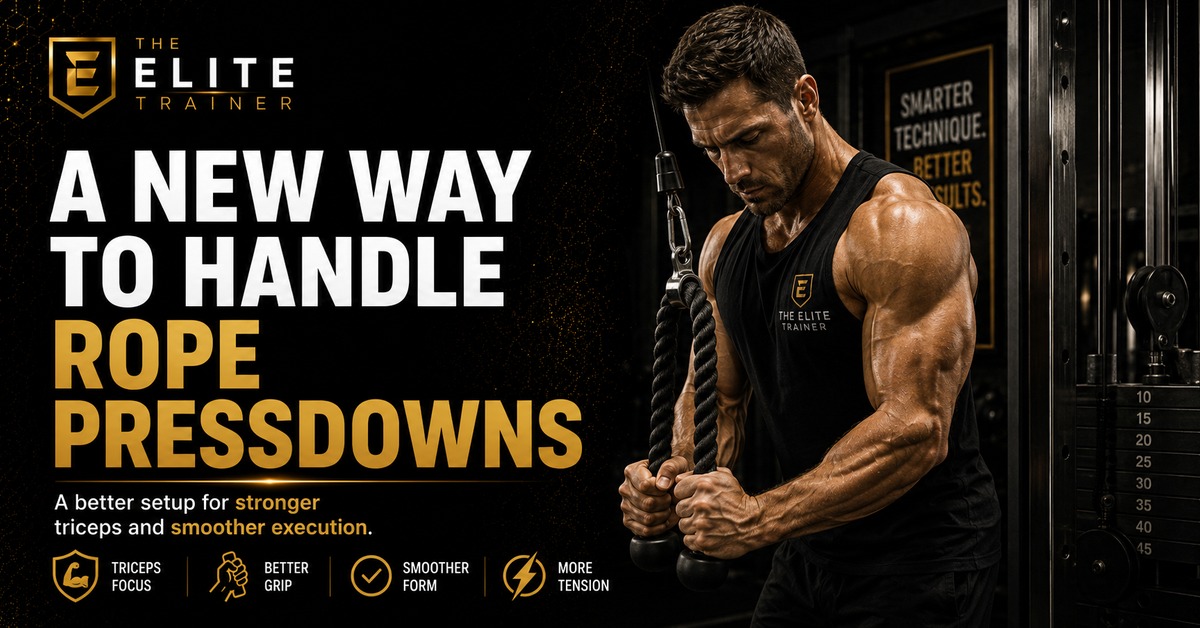
Triceps pressdowns feel better when the attachment fits the hands. An ergonomic rope handle can improve comfort, grip, and contraction quality during cable arm work.
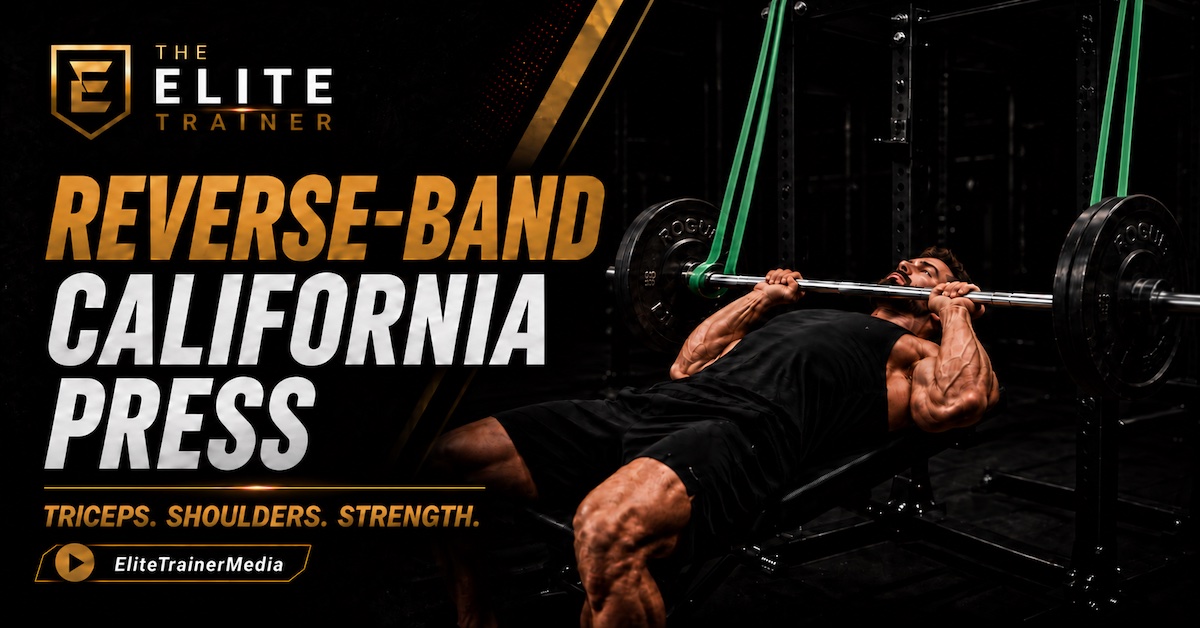
The California press already blends close-grip pressing with triceps-extension mechanics. Adding reverse bands offloads the bottom, protects the elbows, and makes the top range do more work.
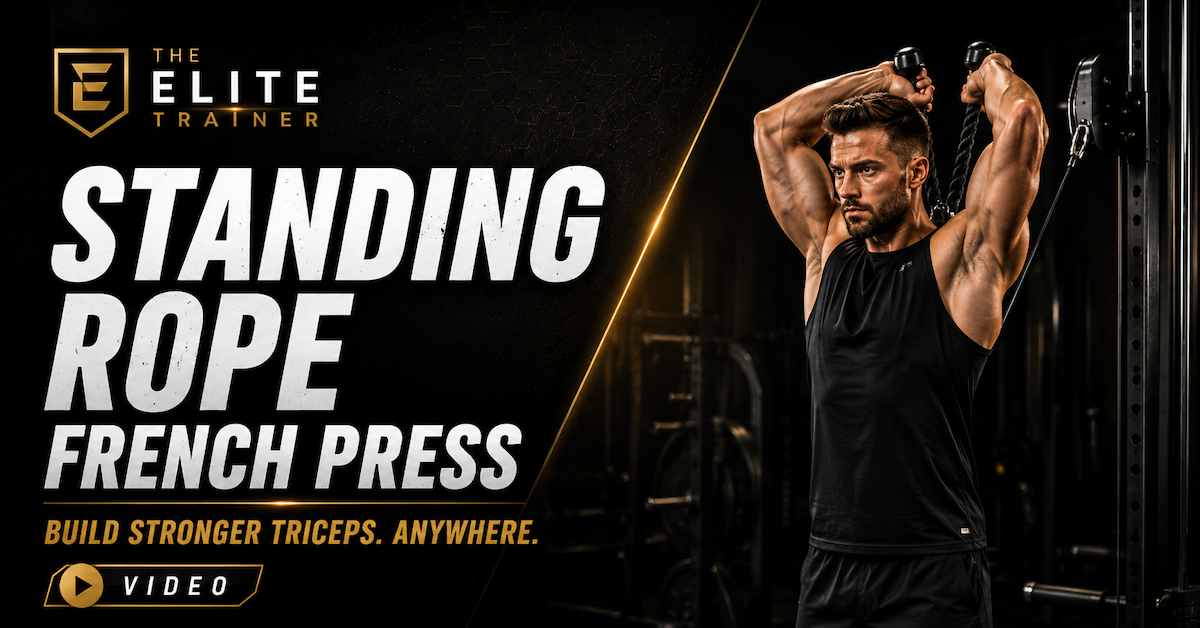
The standing rope French press targets the long head of the triceps while keeping the elbows friendlier than many heavy overhead variations. The key is strict bracing, a full stretch, and leaving the ego out of it.
Balanced triceps development takes more than endless pressdowns. Grip, elbow angle, exercise selection, and loading strategy all matter when building complete upper arms.
The 60-degree incline EZ-bar triceps extension keeps tension where lifters want it: on the muscle. Add this variation when your arm training needs a smarter stimulus.
A targeted arm-training piece that explains why stronger triceps—not endless light reps—are key when trying to tighten up the back of the arms.
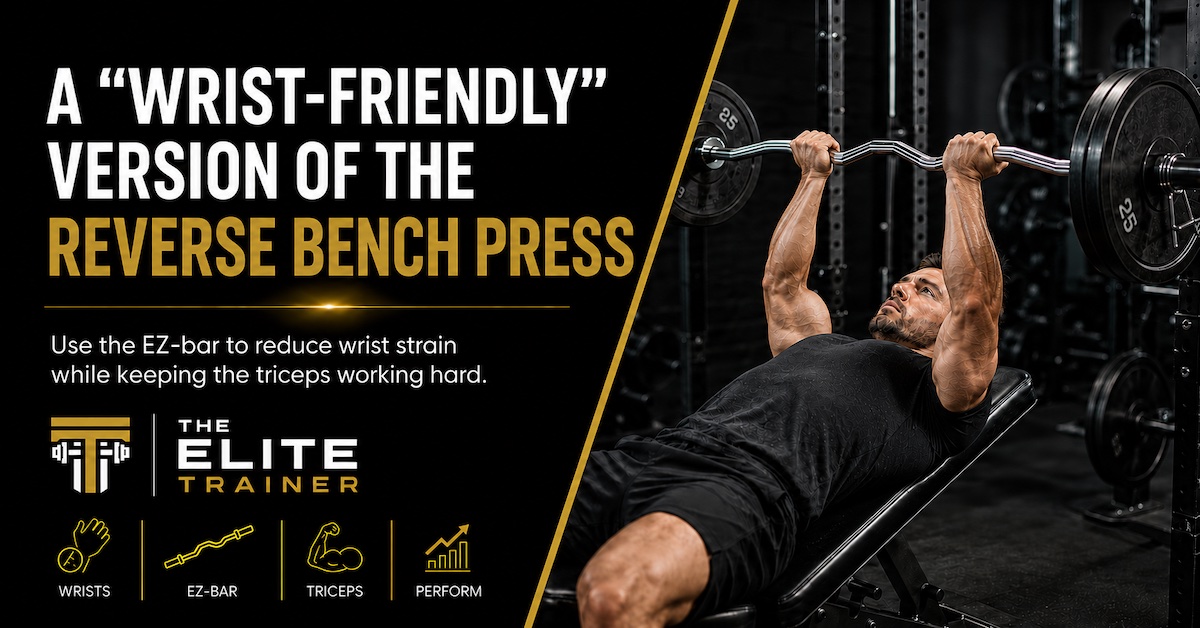
The reverse bench press can be rough on the wrists, but an EZ-bar changes the angle and makes the lift more usable. Try this variation to target the triceps with less joint irritation.
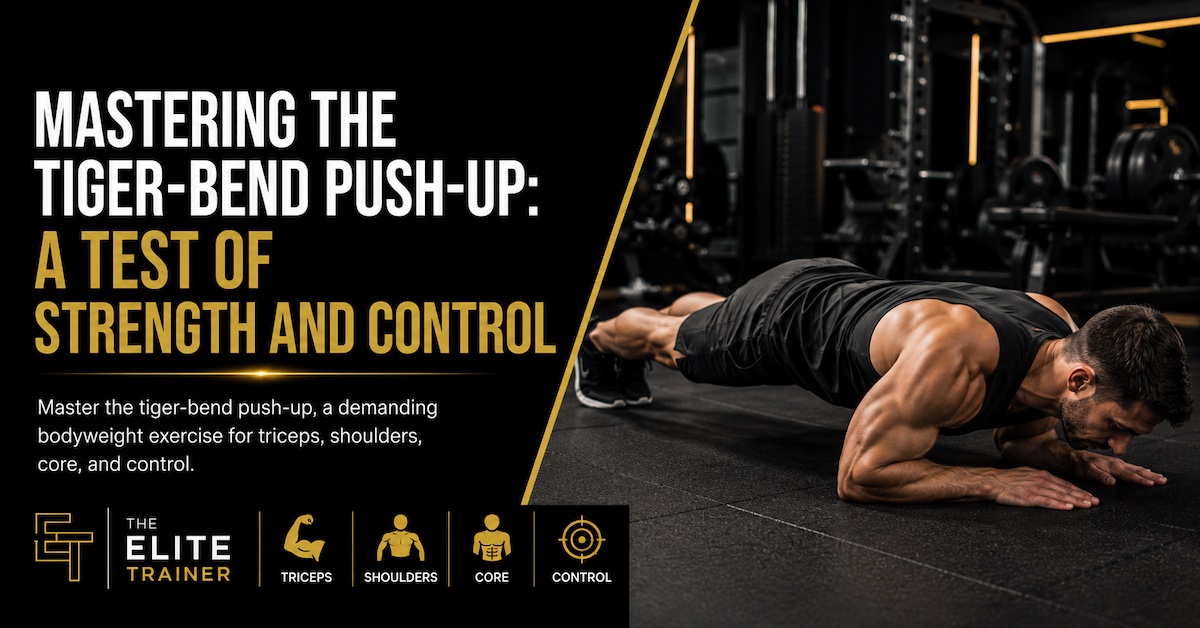
Master the tiger-bend push-up, a brutal bodyweight variation that challenges the triceps, shoulders, core, and mobility. Includes ways to scale it down from the knees or make it harder with the feet elevated.

Tiger-bend push-ups are tougher than they look, taking you from a push-up position down to the forearms and back again. Use knee or foot-elevated variations to scale the movement.