
Yesterday, my Oura readiness score was 94. I should have had a good workout—but I didn’t!
The first exercise was bent-knee deadlifts, and my goal was to work up from 305 to 335 pounds in a step-loading fashion for five sets of five.
I went to do my first work set, and it felt like I was lifting a tank! I did two reps and stopped. From experience, I knew I was not “ready” to train heavy that day, no matter what my Oura Ring said. I needed an extra day to recover, so I packed it up and went for a walk instead.
This morning, I went at it again—and this time, the weight felt light. (Below is my last set of deadlifts.) I got through the workout with ease.
My readiness score today was 93—almost the same as yesterday—but there was a big difference in performance.
If I had been stubborn and tried to grind through the workout yesterday, the outcome would not have been as positive as it was today. In fact, I’m sure I would have regretted that choice.
The take-home message is this: You can use all sorts of diagnostic tools to try and gauge your readiness for a workout, but your actual performance on the day trumps them all. I talk about this in more detail in my upcoming book, Invincible: Injury Prevention for Weight Lifters.

Injury Prevention Strategies for Aging Athletes
Injury Prevention Strategies for Aging Athletes is an educational webinar for coaches, trainers, and active adults who want to train hard while managing the realities of aging, recovery, mobility, and joint stress. Learn practical strategies to support performance, reduce unnecessary setbacks, and keep athletes training consistently over time.
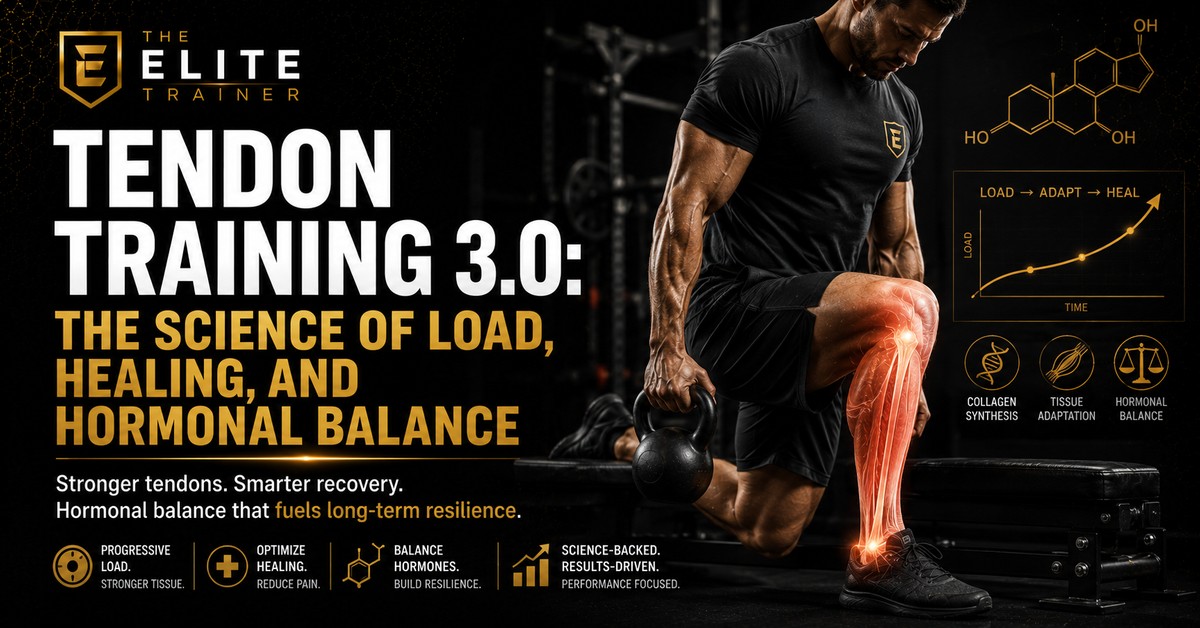
Tendon Training 3.0: The Science of Load, Healing, and Hormonal Balance
Load, healing, collagen, and hormonal balance all matter when training connective tissue. This deeper dive looks at tendon science through the lens of performance and long-term durability.
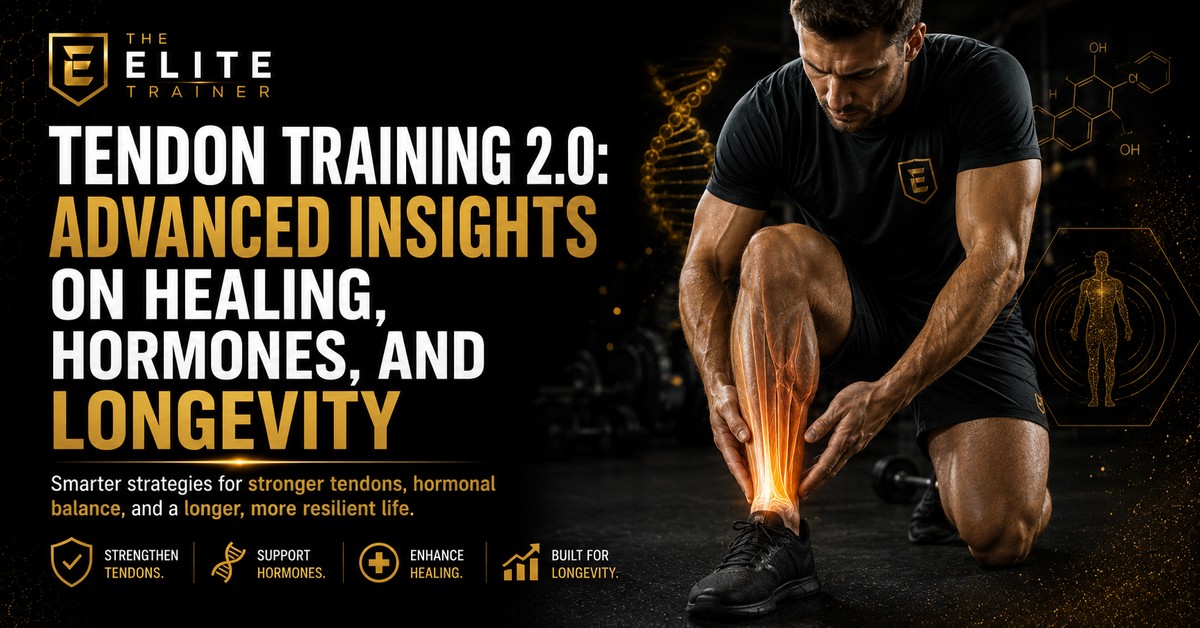
Tendon Training 2.0: Advanced Insights on Healing, Hormones, and Longevity
Tendon recovery is more complex than rest, ice, or generic mobility. Hormones, loading, aging, and biomechanics all shape how connective tissue adapts over time.
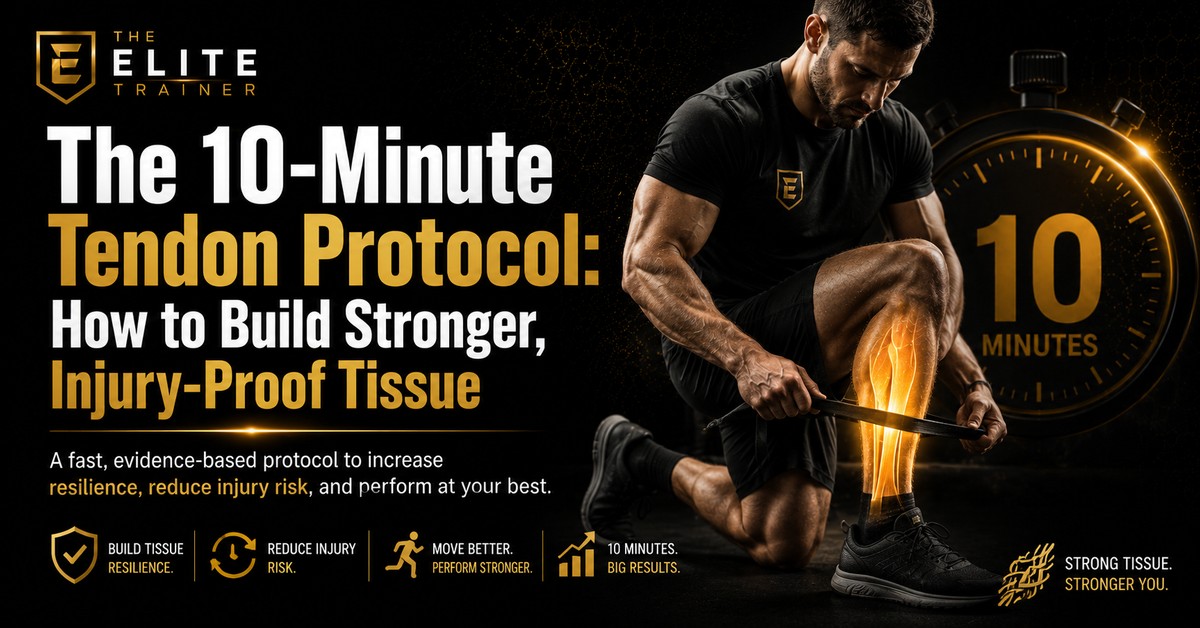
The 10-Minute Tendon Protocol: How to Build Stronger, Injury-Proof Tissue
Tendons need their own training strategy, not just leftover attention after the main workout. A focused 10-minute protocol can help build resilient tissue and support long-term performance.