

Want to boost flexibility, prevent injuries, and optimize performance? Stretching is an essential tool—but only if done correctly. Follow these key do’s and don’ts to stretch smarter, not harder.

Sleep is not just another recovery tool — it is the foundation. For athletes and serious lifters, quality sleep drives repair, hormone regulation, energy, focus, and performance.
Better sleep may start with better air. Opening a window before bed can improve bedroom ventilation, support sleep quality, and potentially help next-day performance.

Sometimes the best recovery tool is a real break. A week of sun, rest, and circadian-resetting habits produced a dramatic jump in readiness scores after vacation.
Better sleep starts with habits that actually support recovery. These six practical tips cover the basics for winding down, staying consistent, and improving nightly rest.

Readiness scores are useful, but they don’t replace what the bar tells you. Sometimes the smartest training decision is to shut it down and come back stronger tomorrow.

Better sleep starts before your head hits the pillow. Light exposure, bedtime alarms, and old-school wind-down habits can support recovery when training hard.

Unexpected downtime can become a serious training opportunity when food, sleep, and recovery finally line up. Triple-split training turns extra time into muscle-building momentum.
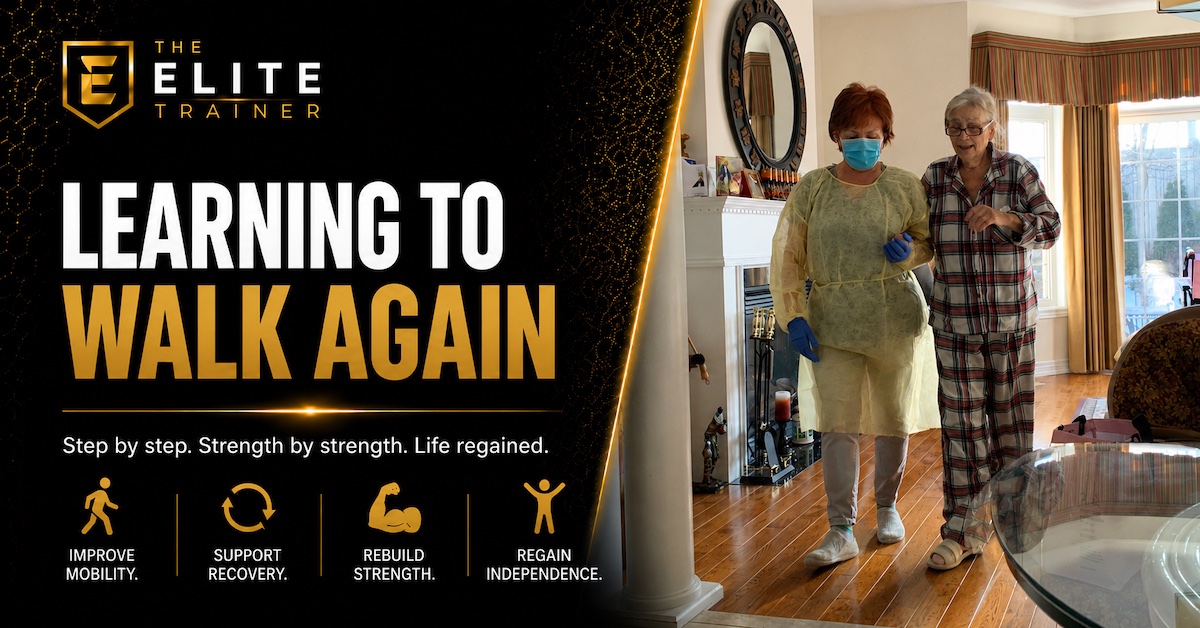
A powerful personal story about rebuilding health, restoring movement, and supporting recovery through nutrition, care, persistence, and a more holistic approach to physical rehabilitation.

Late-night training, suspenseful TV, and blue light can keep your nervous system wired when it should be winding down. Here’s how to protect sleep before bedtime.