
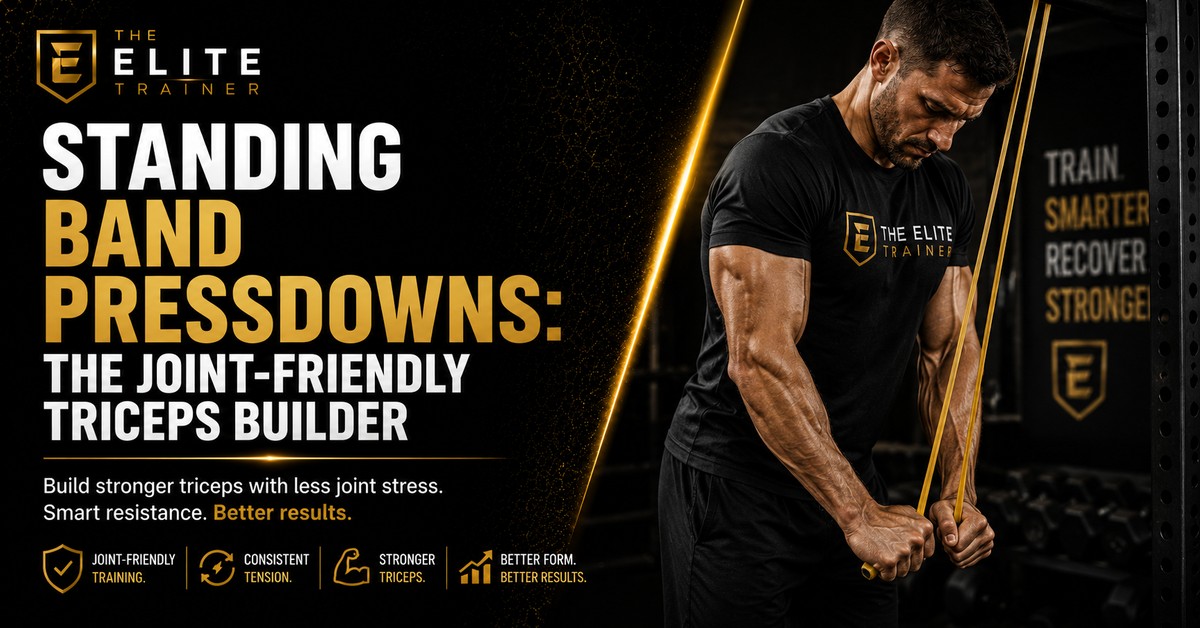
Standing band pressdowns give the triceps hard work without beating up the elbows. The setup is simple, portable, and useful for lifters who need a joint-friendlier arm option.
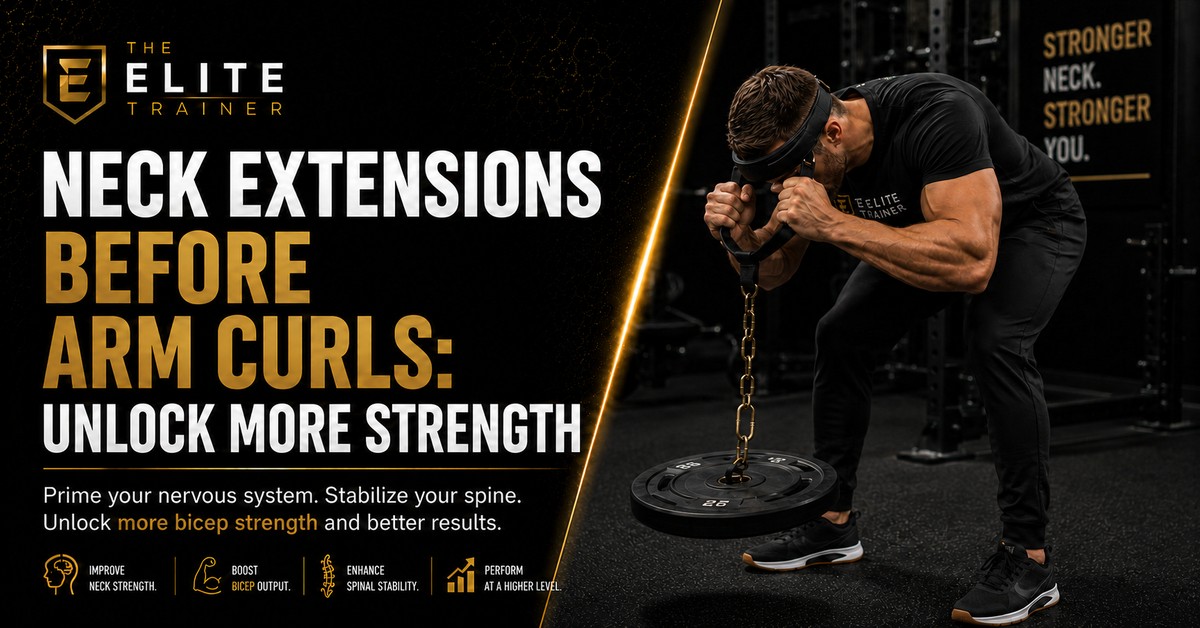
Exercise order can create surprising strength boosts. Neck extensions before arm curls may sound strange, but the sequencing idea is exactly the kind of training hack worth testing.
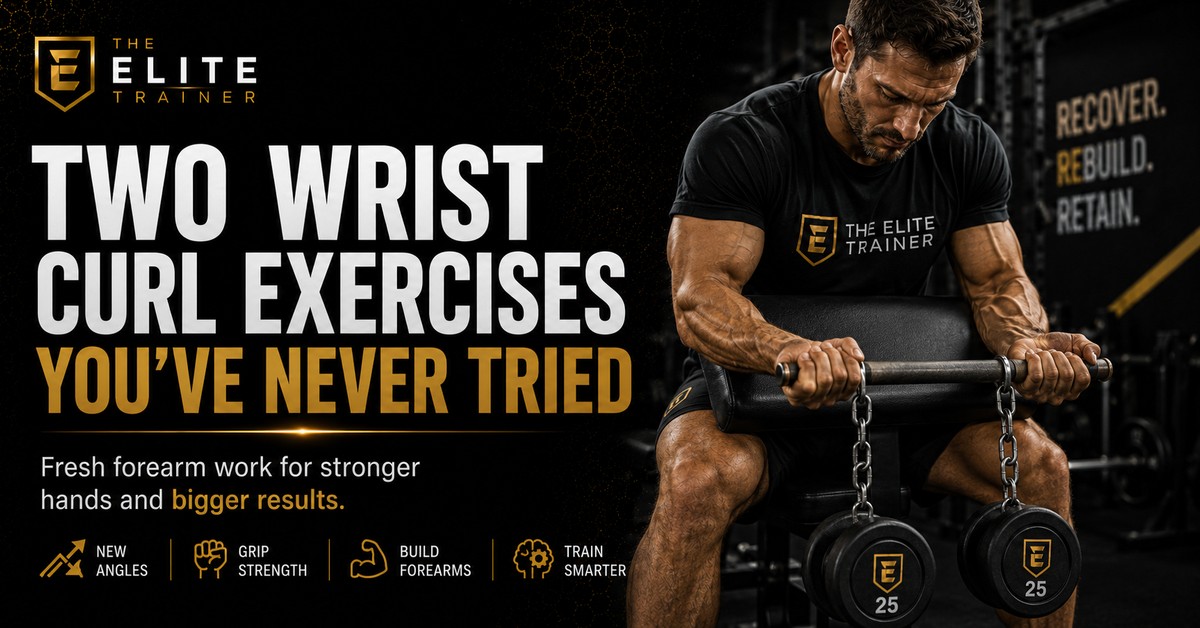
Forearms respond well to smart variation, and these wrist curl options are not the usual throwaway finishers. Add them to strengthen grip, build forearms, and attack a neglected training area.
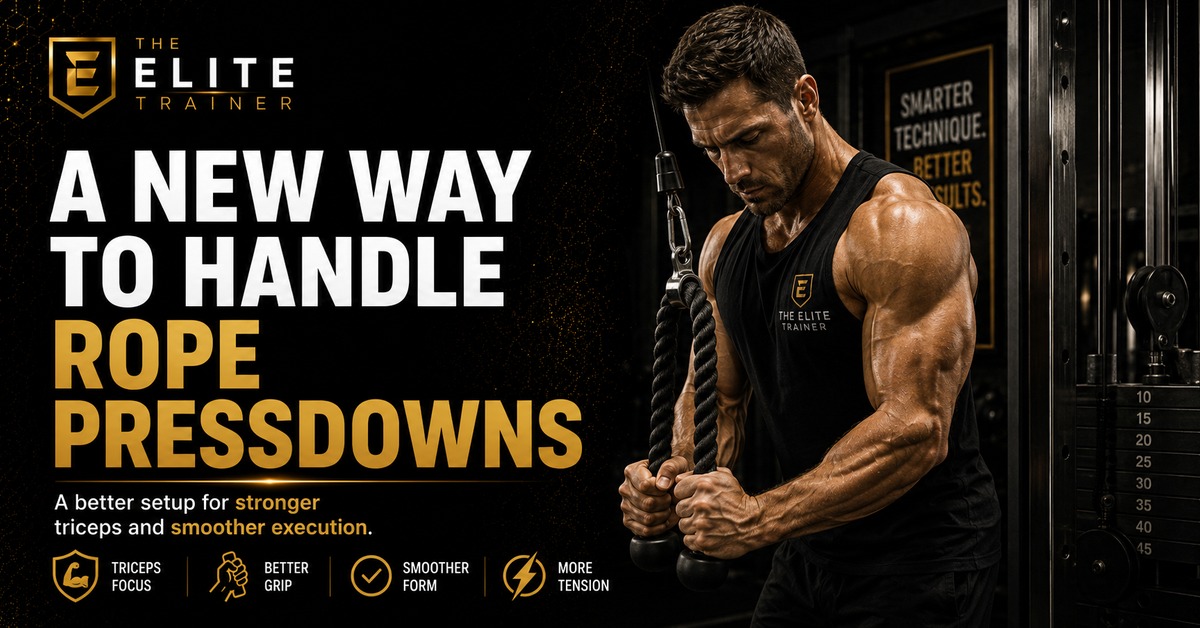
Triceps pressdowns feel better when the attachment fits the hands. An ergonomic rope handle can improve comfort, grip, and contraction quality during cable arm work.
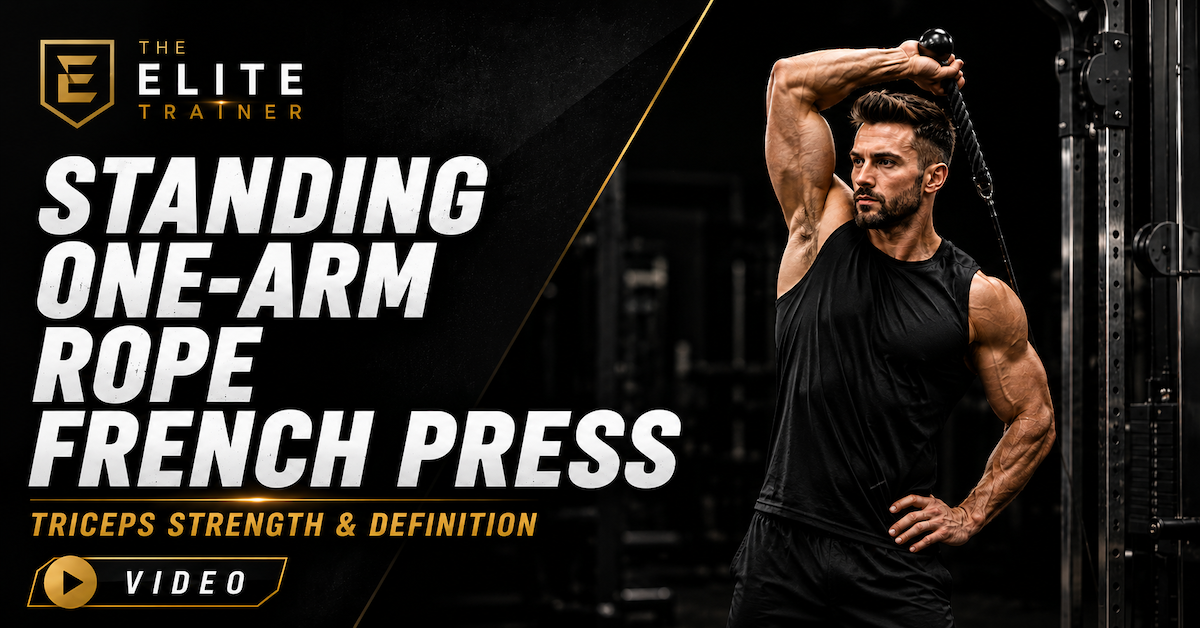
The standing one-arm rope French press gives the triceps constant cable tension without the awkward head-dodging of dumbbell variations. Better clearance, better stretch, and cleaner isolation.
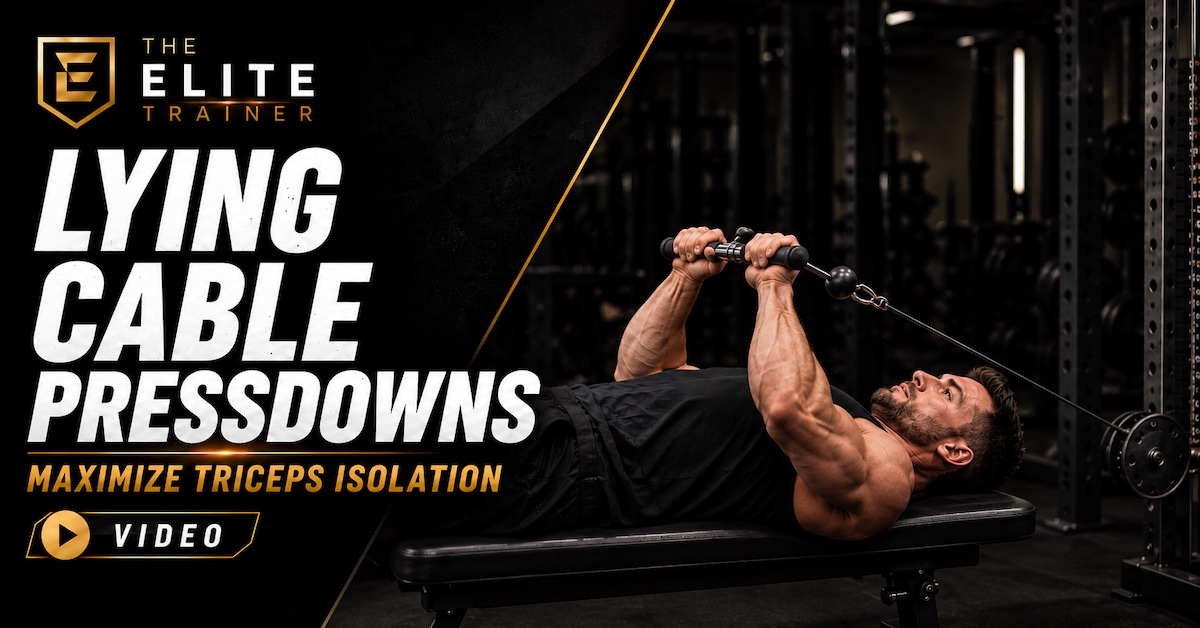
Standing pressdowns often become a full-body heave. Lying cable pressdowns strip out the body English so the triceps have nowhere to hide.

Visible arm vascularity comes from more than a pump. Leanness, muscle size, consistency, and a few bodybuilding tricks all play a role.
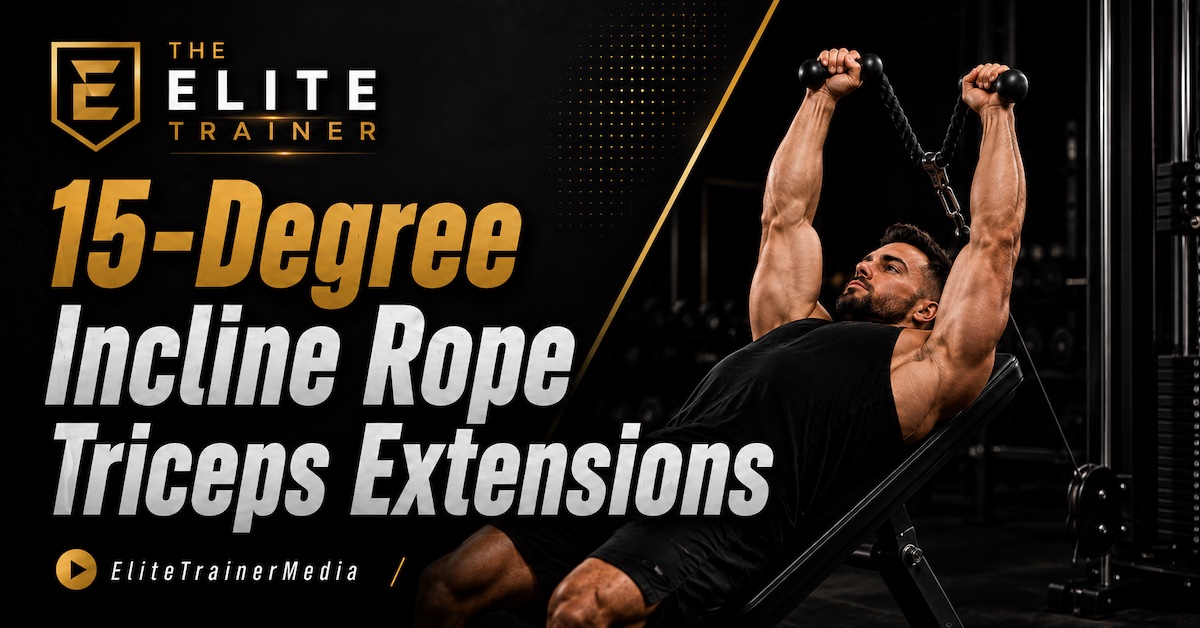
A slight incline and cable resistance keep the triceps loaded through more of the range than standard free-weight extensions. The payoff is constant tension and a nasty peak contraction.
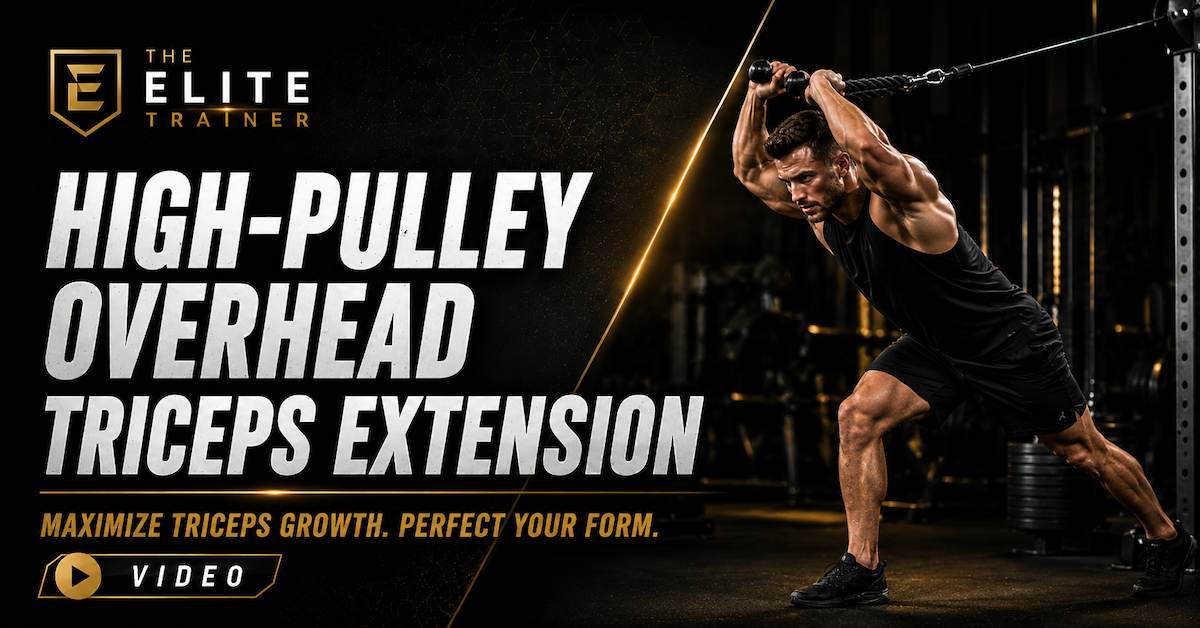
The high-pulley overhead triceps extension uses a bent-over lunge setup, rope attachment, and full stretch-to-contraction path to hammer the triceps without the usual sloppy pressdown mechanics.
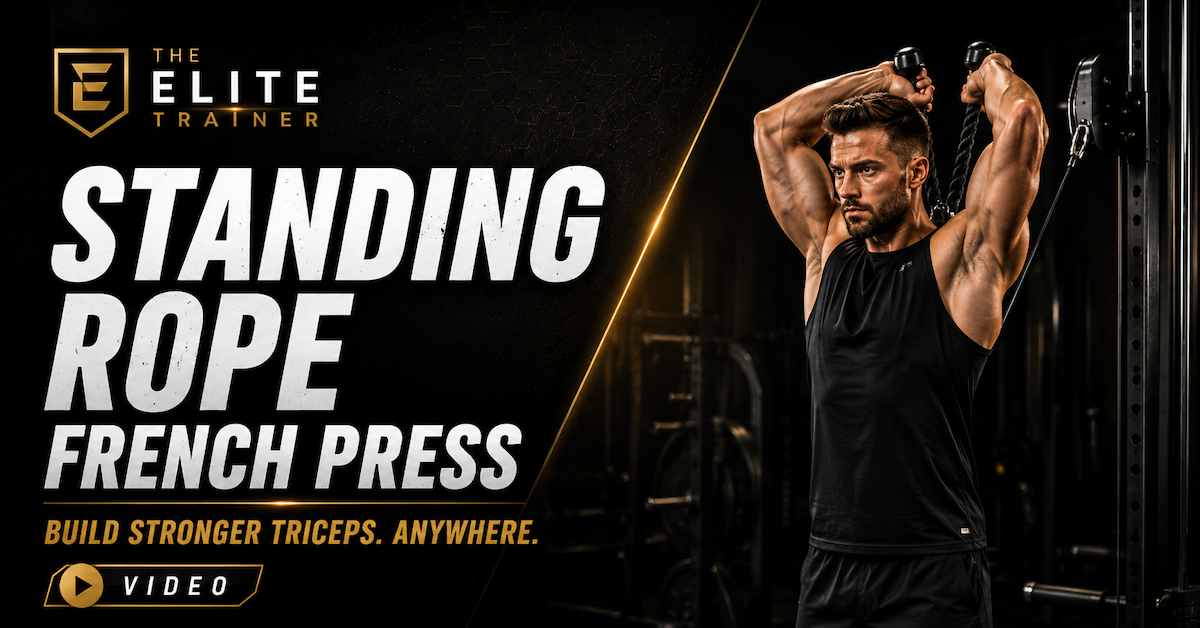
The standing rope French press targets the long head of the triceps while keeping the elbows friendlier than many heavy overhead variations. The key is strict bracing, a full stretch, and leaving the ego out of it.