
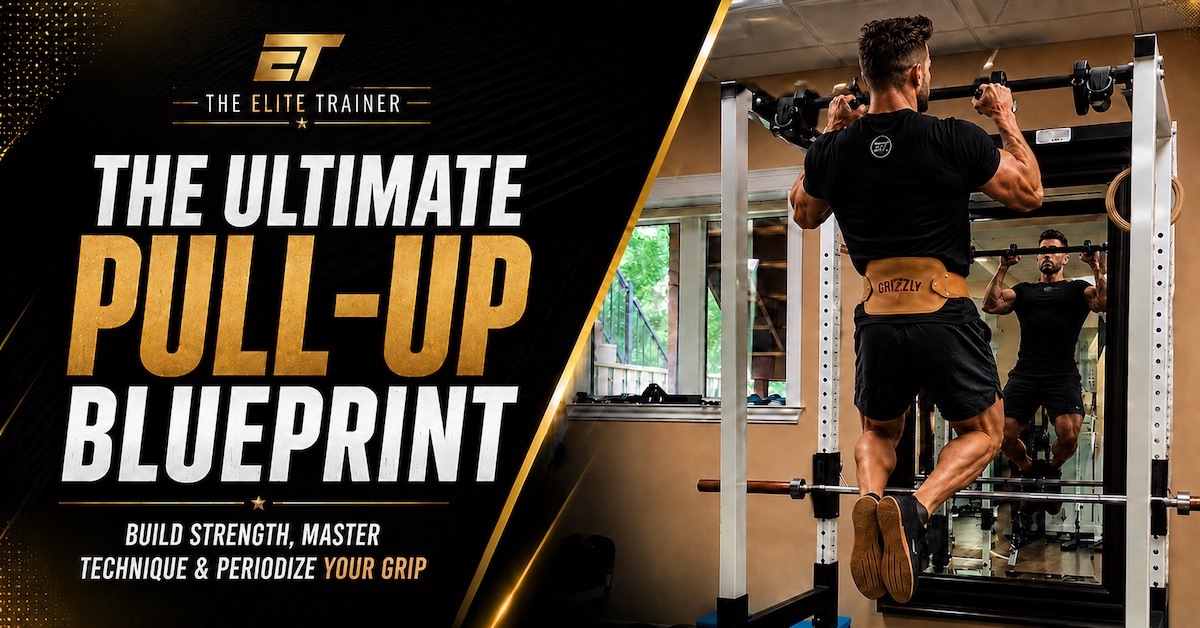
Pull-ups are the deadlift of the upper body—but most lifters never program them with the same attention they give their major lifts. Learn how to master proper technique, progress from zero reps to weighted pull-ups, periodize your grip, protect your joints and use Swissies-SP handles to expand your training options.
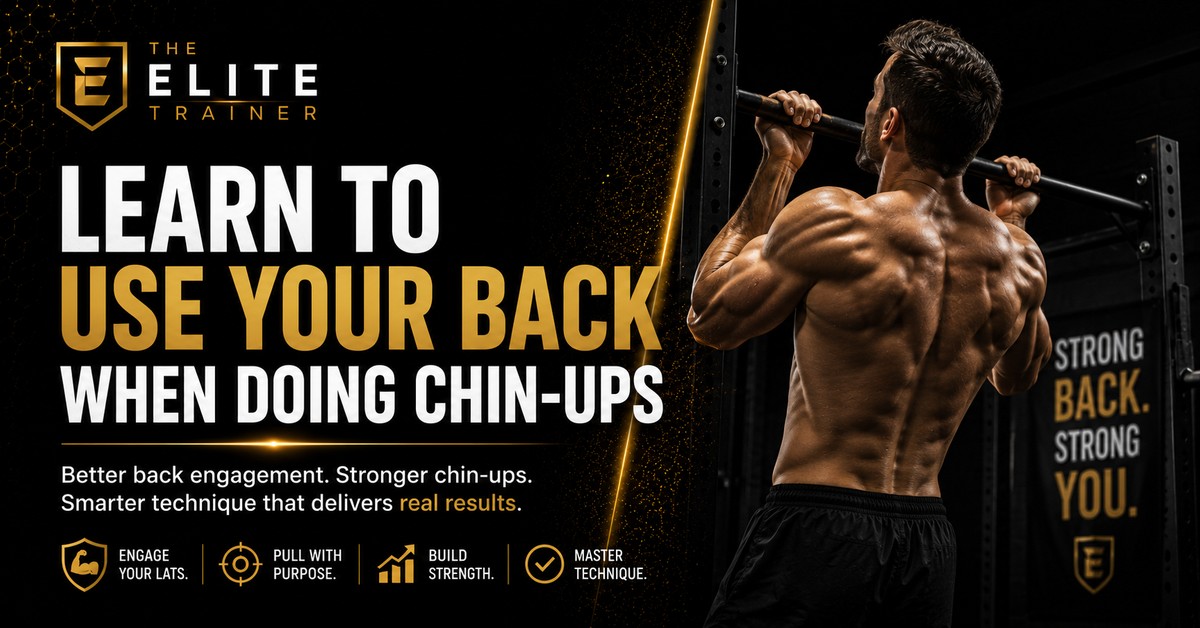
Chin-ups are a back exercise first, but many lifters turn them into an arm-dominant grind. Better intent, setup, and execution help the lats do the job they are built to do.
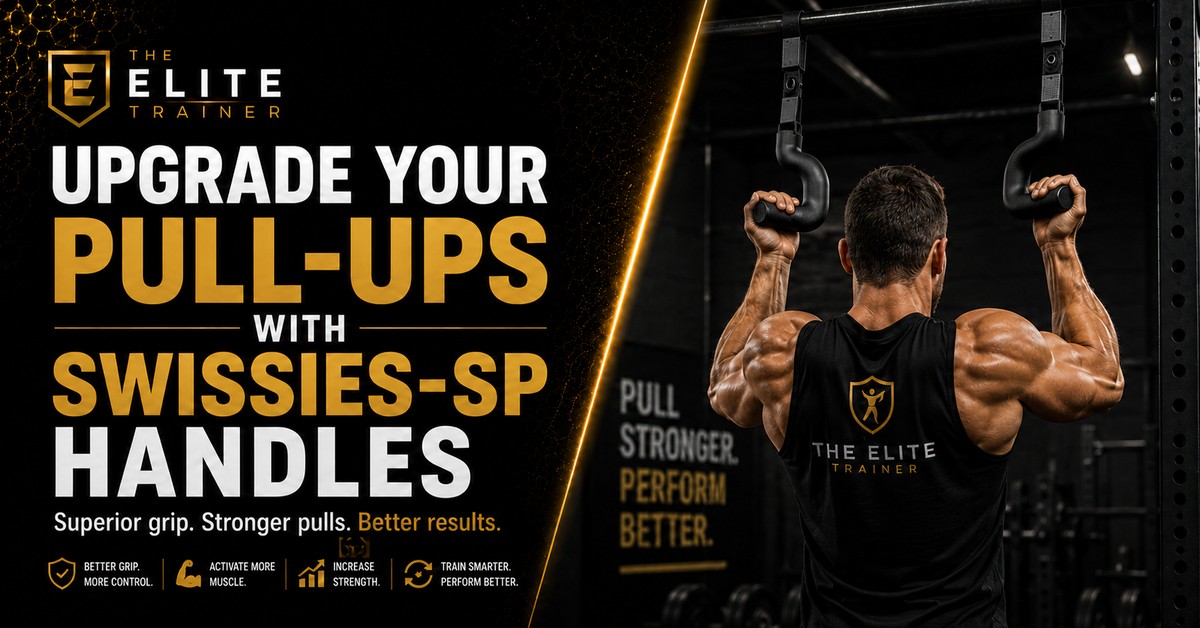
Pull-up handles can change more than grip comfort. Swissies-SP handles create new angles, reduce strain for some lifters, and add fresh variety to chin-ups and pull-ups.
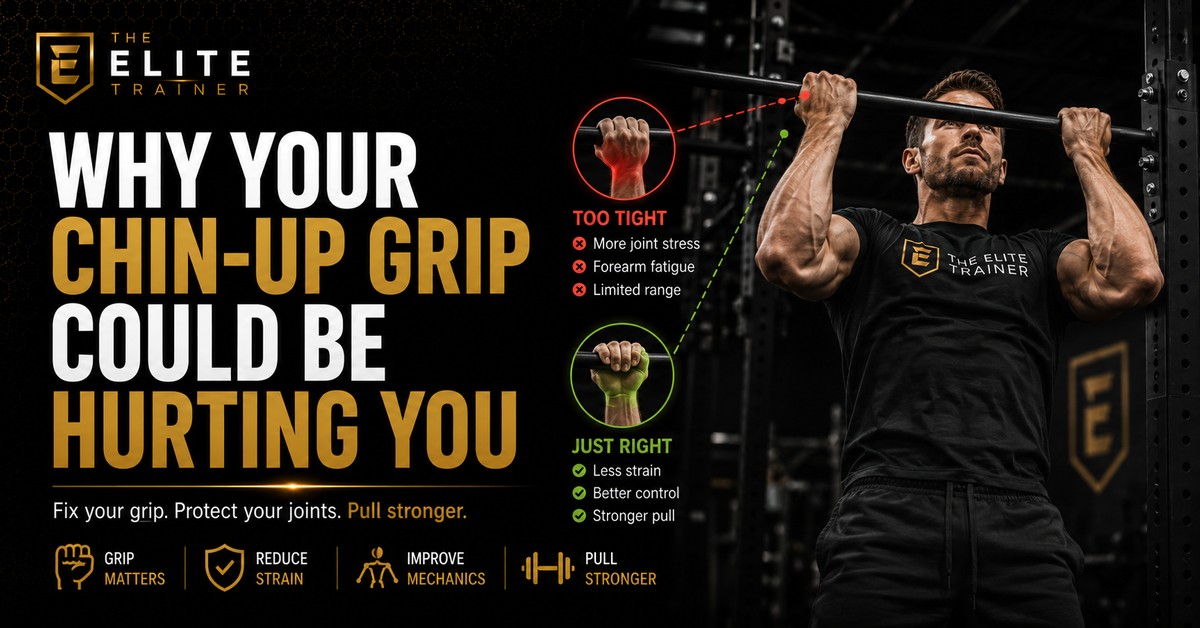
Chin-up grip is not just a comfort detail. Hand position, shoulder mechanics, and individual structure can all affect how the movement feels and how well it fits your body.
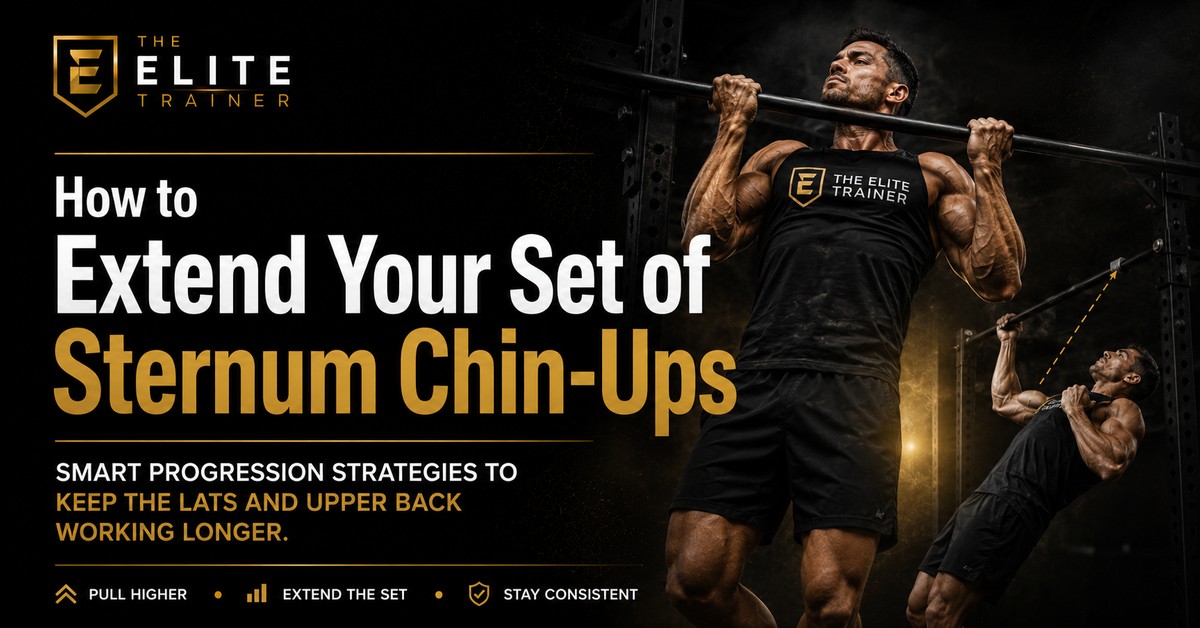
When strict sternum chin-ups start to fade, the set does not have to end. Lean-away chin-ups offer a smart way to extend the work while keeping the lats and upper back under pressure.
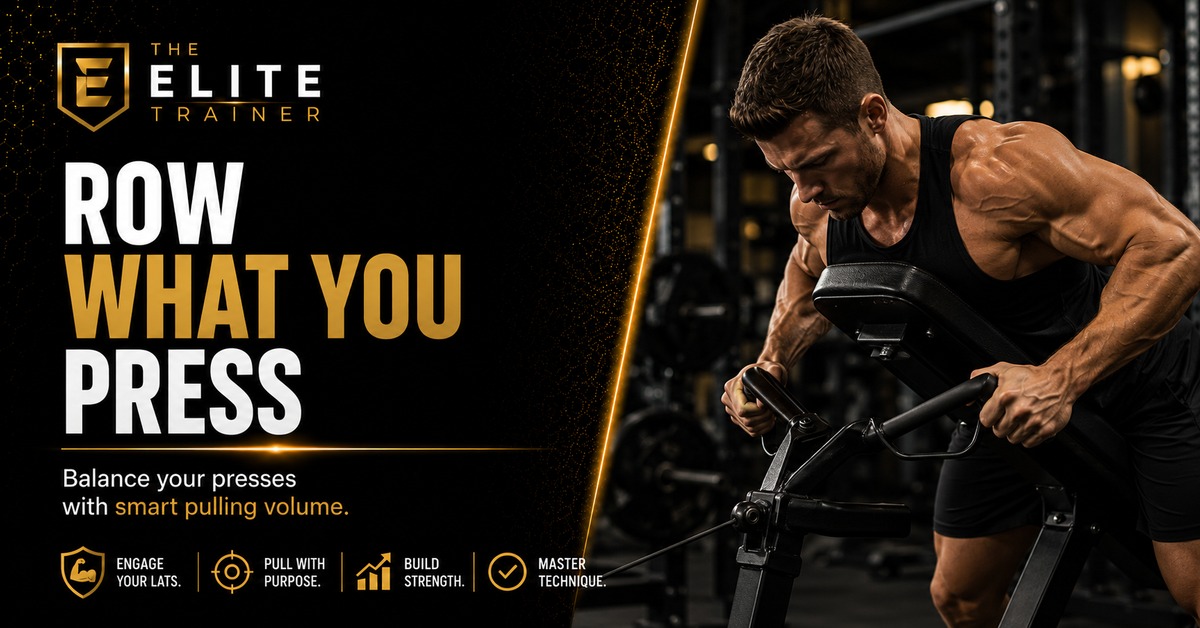
Mirror muscles get plenty of love, but the back side of the body deserves equal billing. If you press heavy, you’d better row heavy too.
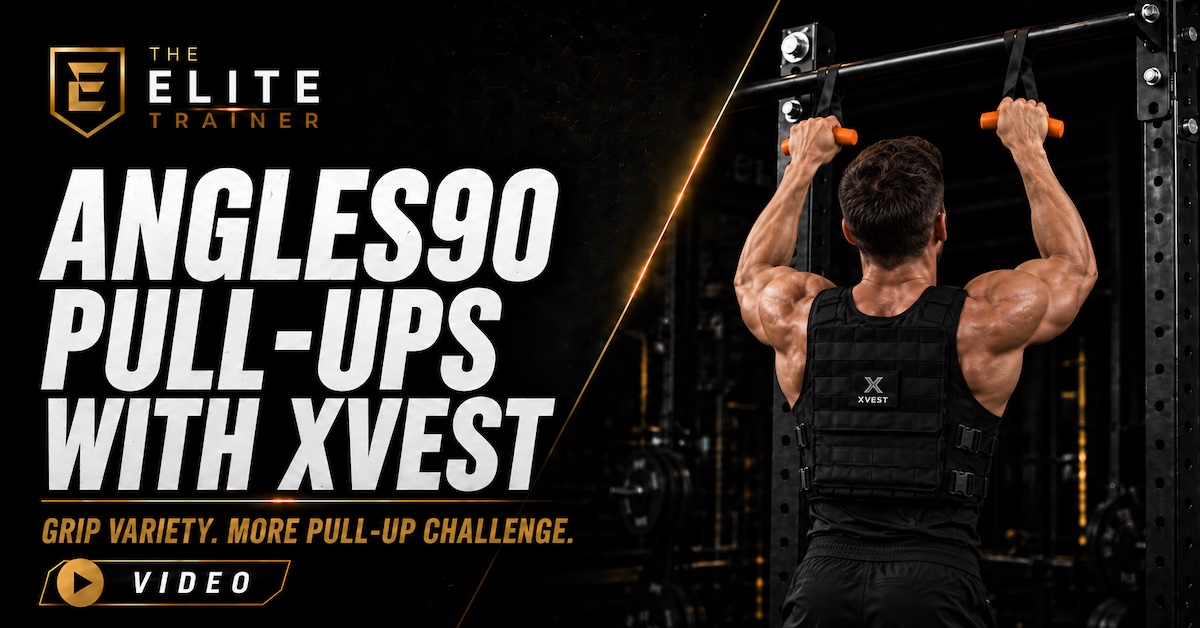
Angles90 grips can make pull-ups easier on the joints, but loading them with a belt can create clearance issues. Pairing them with an Xvest solves the problem and keeps weighted pull-ups moving smoothly.
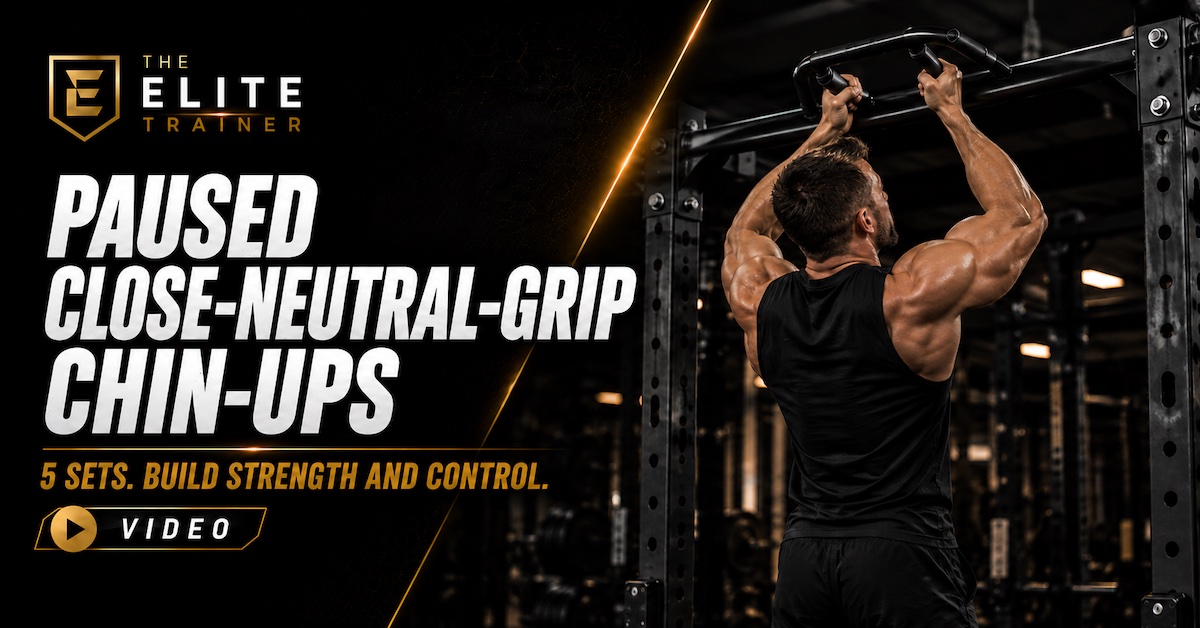
Paused chin-ups reduce momentum, reinforce control, and increase tension where many lifters cheat. This close-neutral-grip variation also gives the shoulders and spine a brief reset at the bottom of each rep.
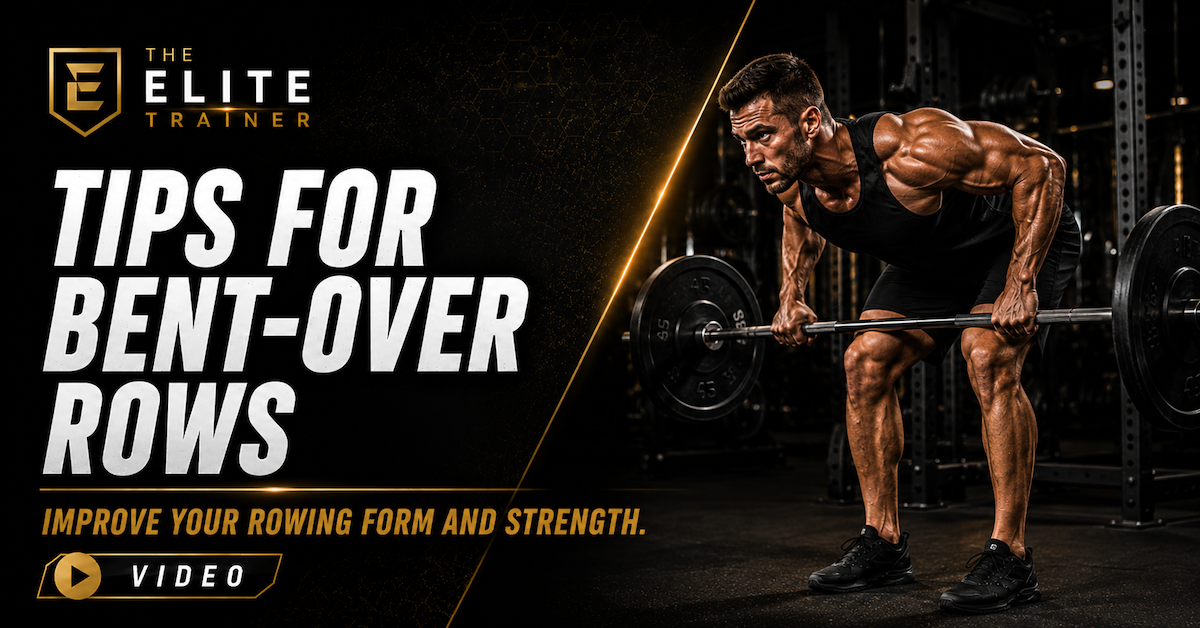
Bent-over rows demand a stable torso if you want the back to do the work. John Paul shows how a forehead-supported setup and a barbell pad can improve form, comfort, and consistency.
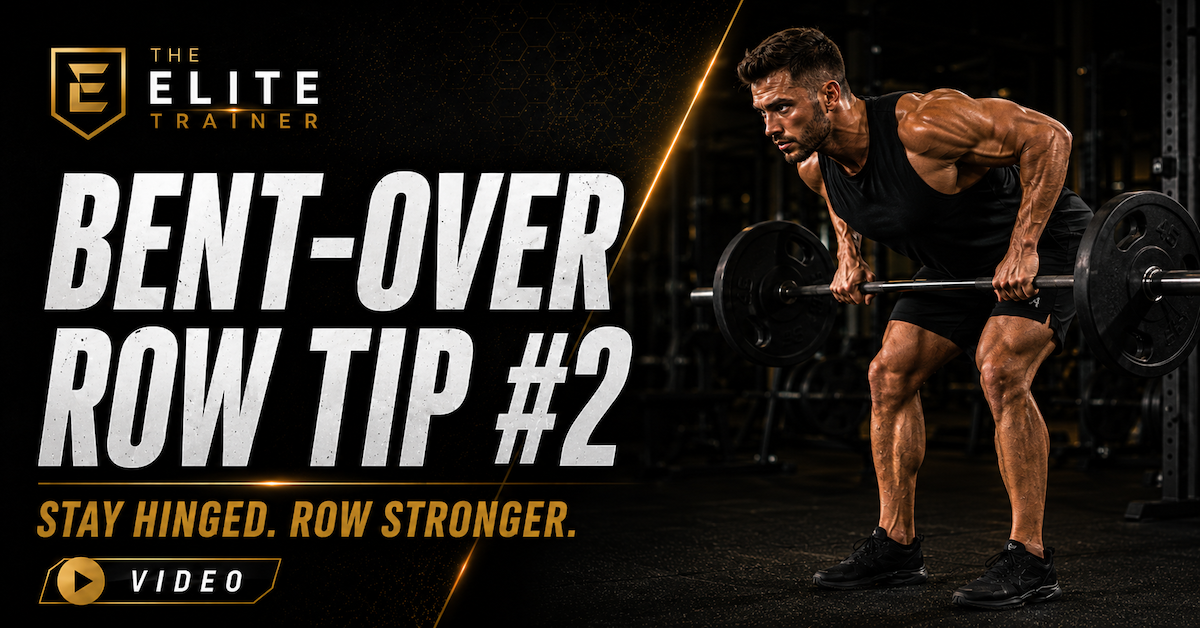
A barbell pad can make forehead-supported bent-over rows more comfortable and consistent. This simple adjustment helps maintain torso position while keeping the stress where it belongs: on the back.