

At 55, the grey hair may suggest one thing, but strength, leanness and physical capability can tell another story. A personal look at aging, health, discipline and the habits that keep the “old man” outside the door.
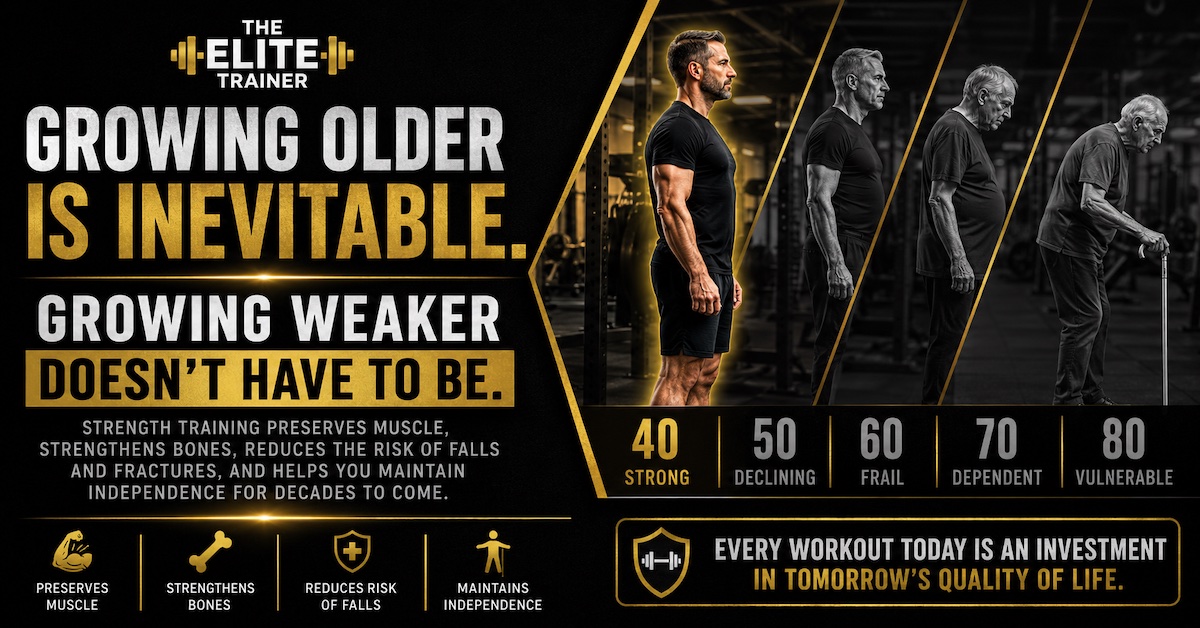
Growing older is inevitable, but growing weaker doesn’t have to be. Discover how strength training preserves muscle and bone, reduces fall risk, and protects your independence for decades to come.
Recent and classic research can change how coaches think about sleep, training, nutrition, toxins, longevity, and daily movement. Here are several findings worth putting on your radar.
Lifting weights may be the closest thing the fitness world has to a fountain of youth. Muscle, strength, metabolism, body fat, blood pressure, and bone density all deserve attention as we age.
Family, connection, and shared meals can nourish more than the body. The Roseto Effect offers a powerful reminder that community belongs in the health conversation.

A backhanded compliment turns into a sharp reminder that staying in shape is built on boring habits most people avoid. Sleep, food, training, and discipline still beat wishful thinking.
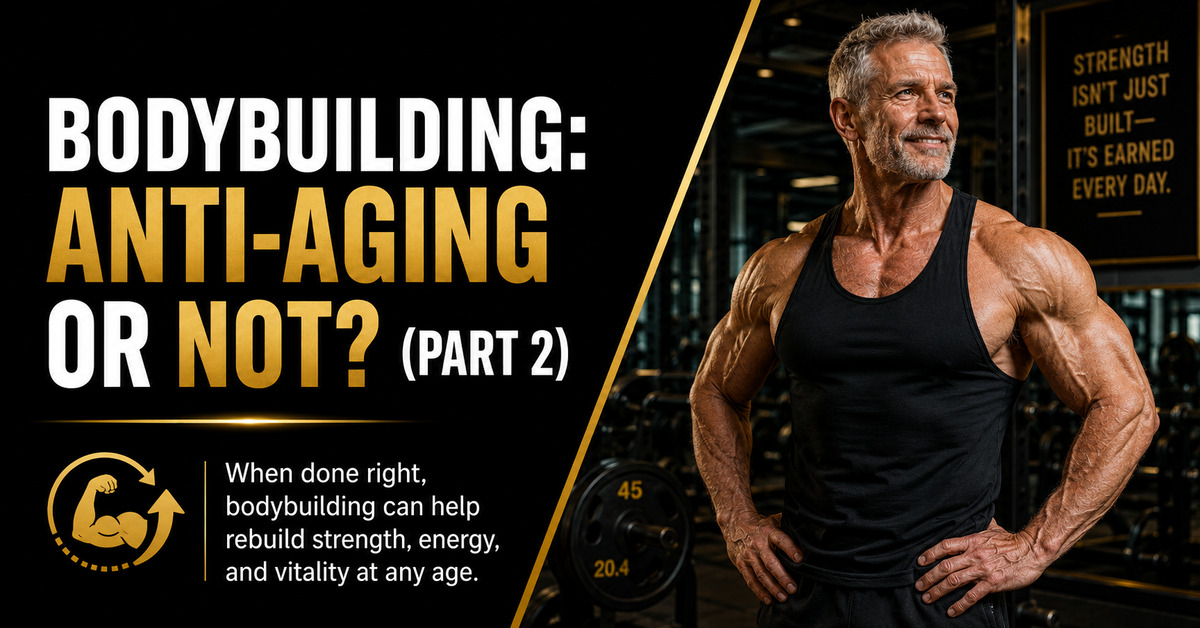
Part 2 shifts from warning to strategy by showing how smart bodybuilding can support strength, vitality, and aging well. John Paul highlights why rebuilding the body later in life is not optional—it is essential.
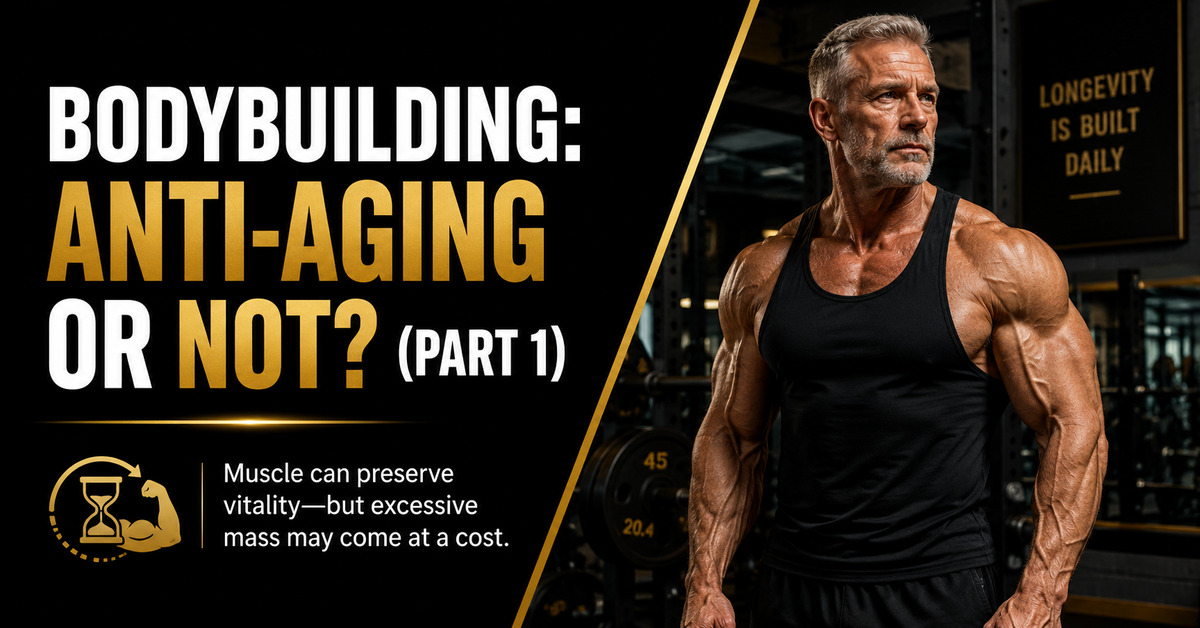
Bodybuilding can fight age-related muscle loss, but taken to extremes, it may carry a cost. Part 1 opens the debate on muscle mass, longevity, and the line between health and excess.
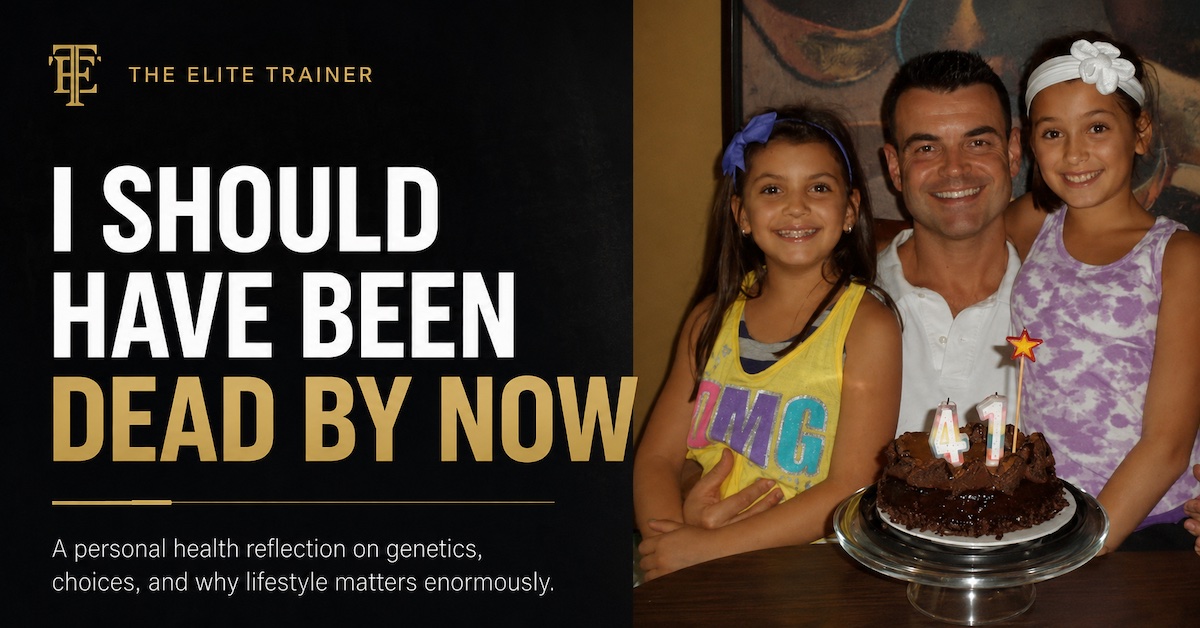
A personal health reflection that pushes back against fatalistic thinking about genetics. The article argues that lifestyle, nutrition, training, and environment can matter enormously—even when family history looks grim.
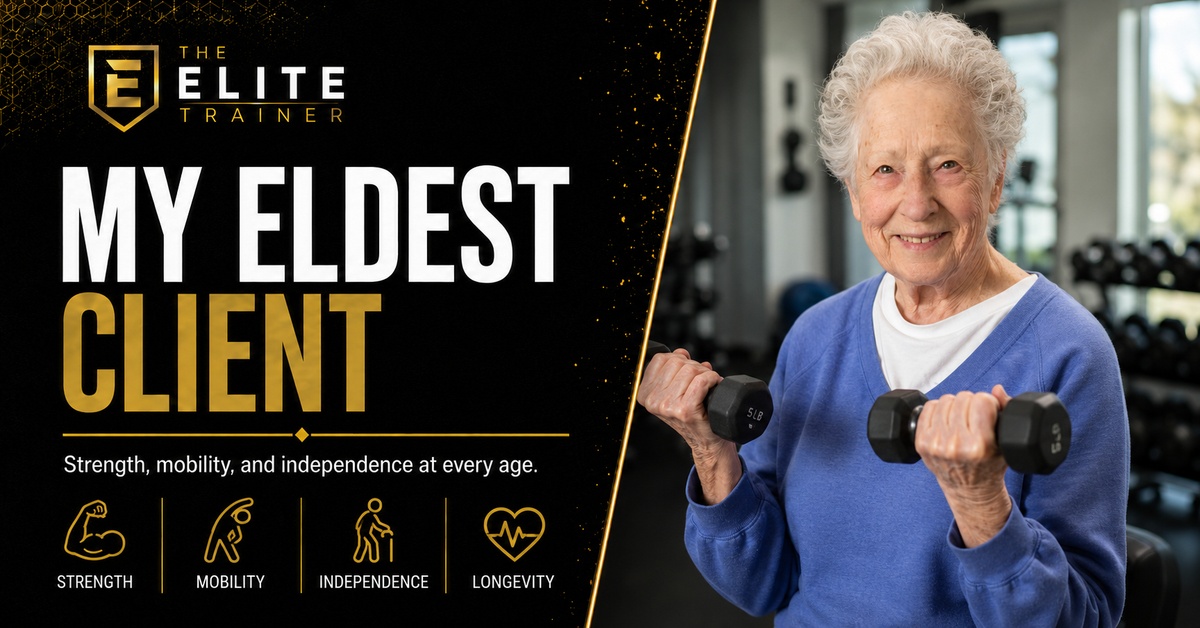
A client story that makes the case for training hard and thinking long-term, even into advanced age. It reinforces one of the site’s core beliefs: strength, movement, and vitality matter at every stage of life.