

A semi-wide squat stance can shift emphasis toward the inner thighs and create a different lower-body stimulus. Stance width becomes a training tool instead of a random preference.
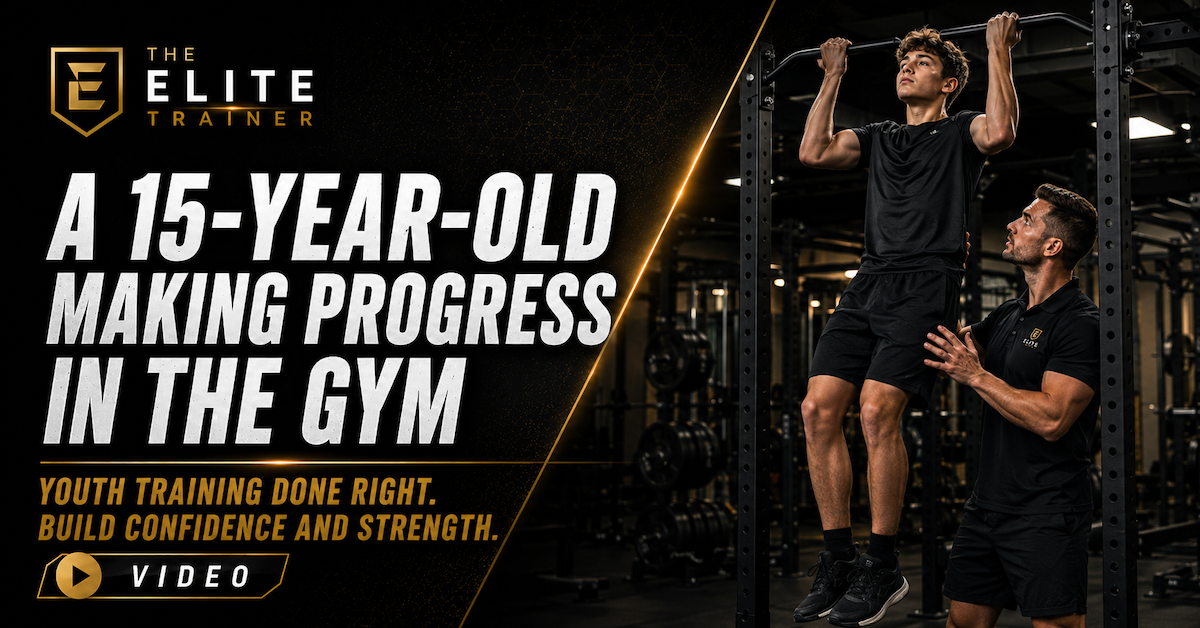
Progress shows up fast when the program is built properly and the athlete puts in the work. Assisted progressions lead into stronger squats and improved chin-up performance.
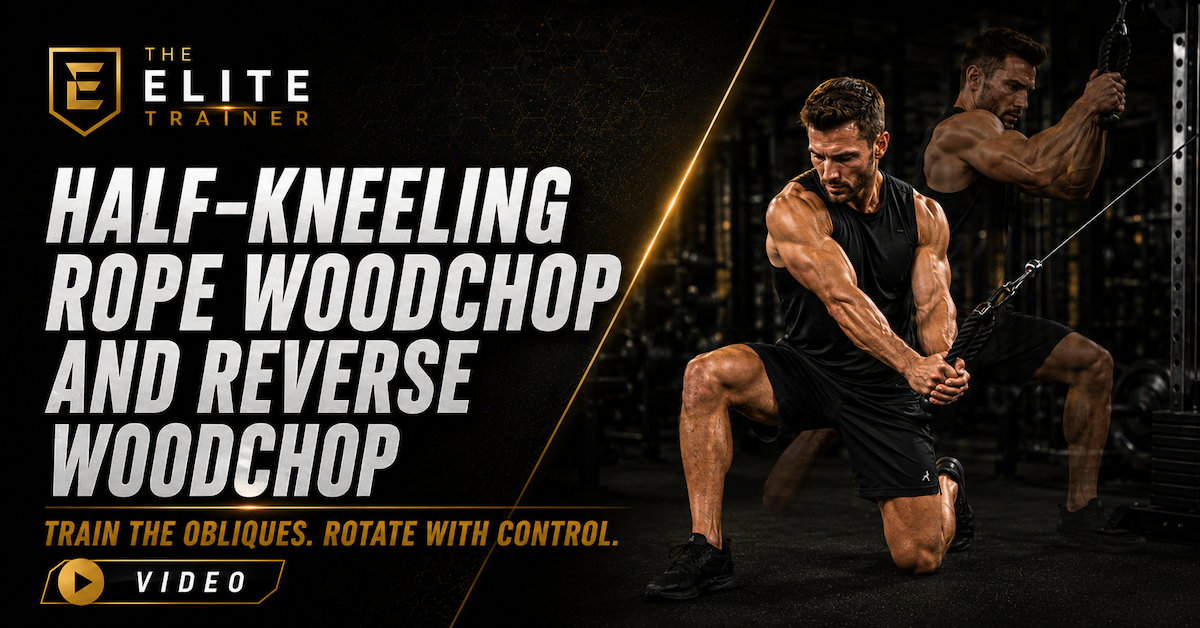
Half-kneeling rope woodchops train the obliques while encouraging a stable, spine-friendly core position. The reverse woodchop adds variety and challenges control through a different diagonal pattern.
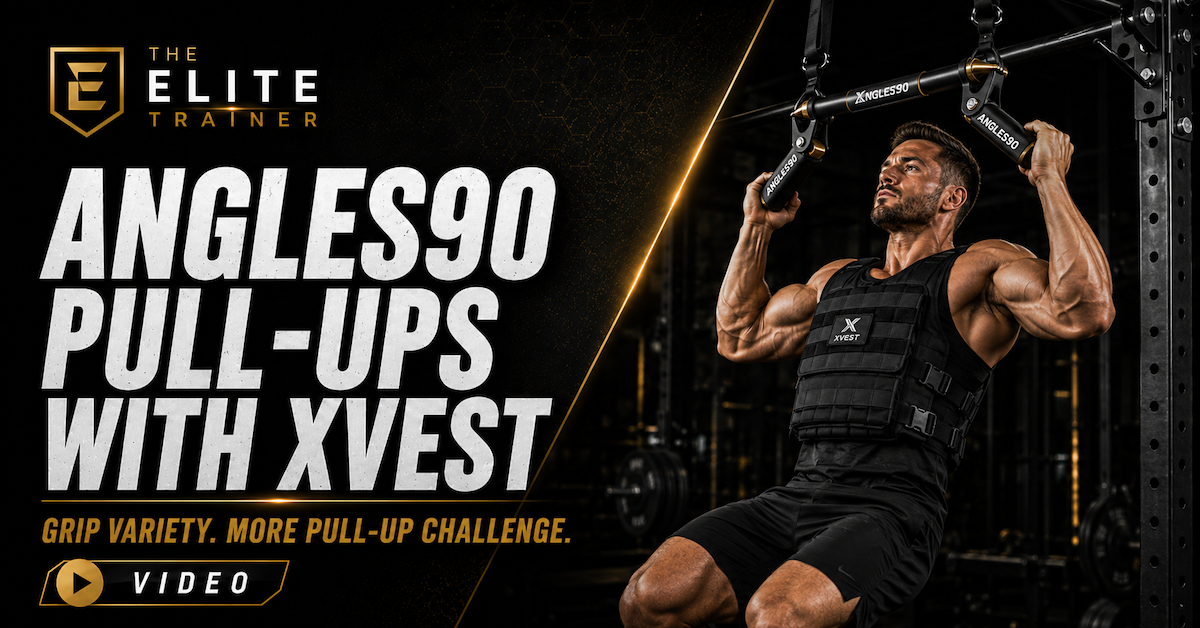
Angles90 grips can make pull-ups easier on the joints, but loading them with a belt can create clearance issues. Pairing them with an Xvest solves the problem and keeps weighted pull-ups moving smoothly.
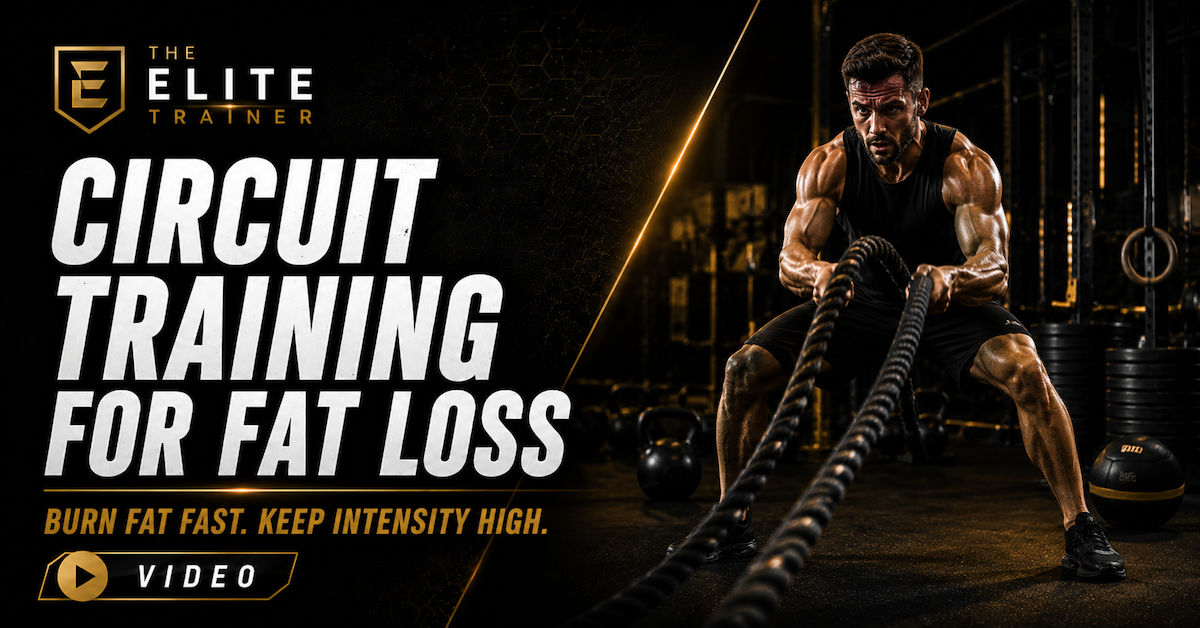
Circuit training can be more than random sweat work when the goal is fat loss without sacrificing muscle. Modern Muscle Moulding blends strength and conditioning for efficient body-composition training.

Three less-common gym movements get the spotlight here: an incline Telle forward raise, low-pulley split squat, and glute-ham variation. Each one brings a specific training purpose beyond standard exercise selection.
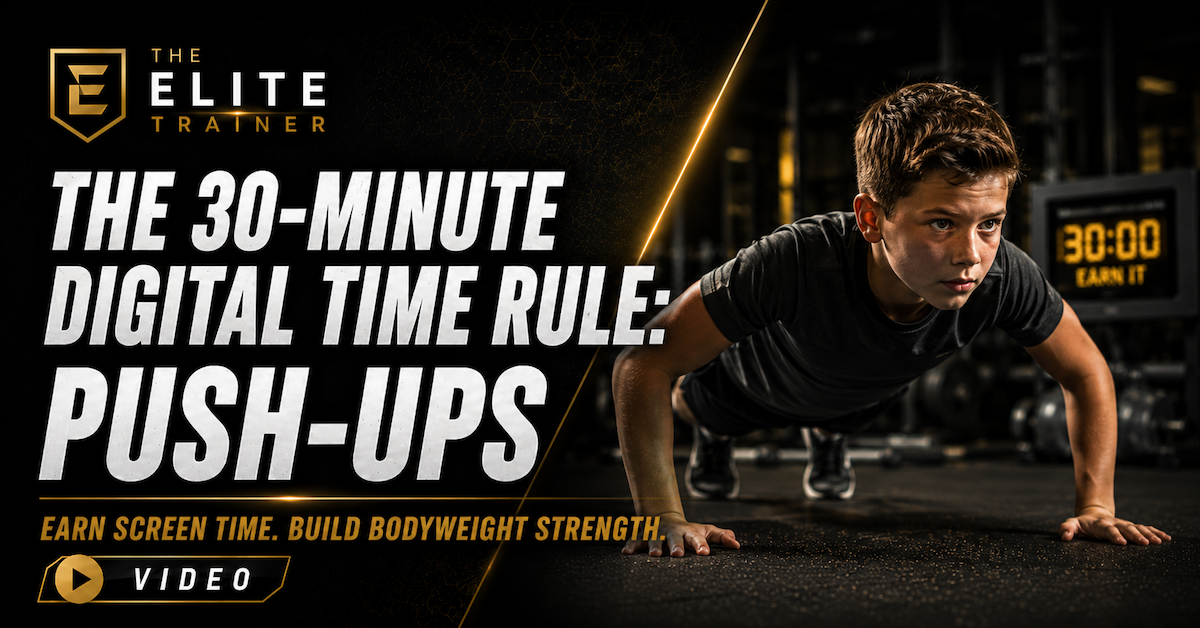
Screen time does not have to mean motionless time. The 30-minute digital rule turns device use into a trigger for push-ups, posture awareness, and regular movement breaks.
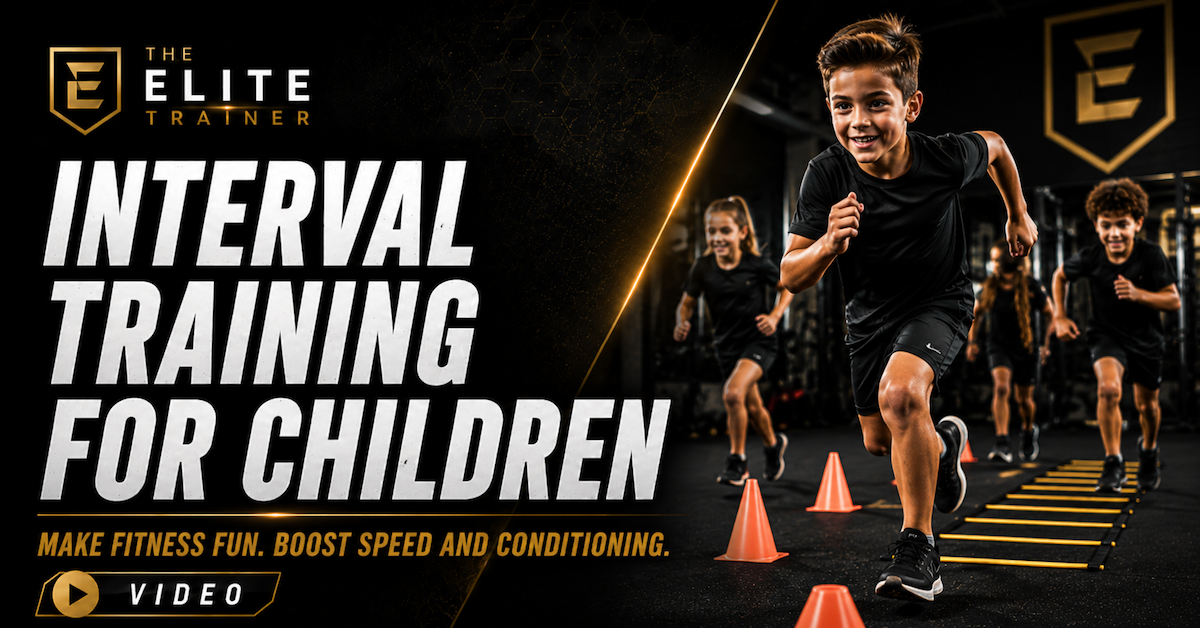
Kids train harder when exercise feels like play. Obstacle-course style intervals can build fitness, coordination, and positive movement habits without turning training into punishment.
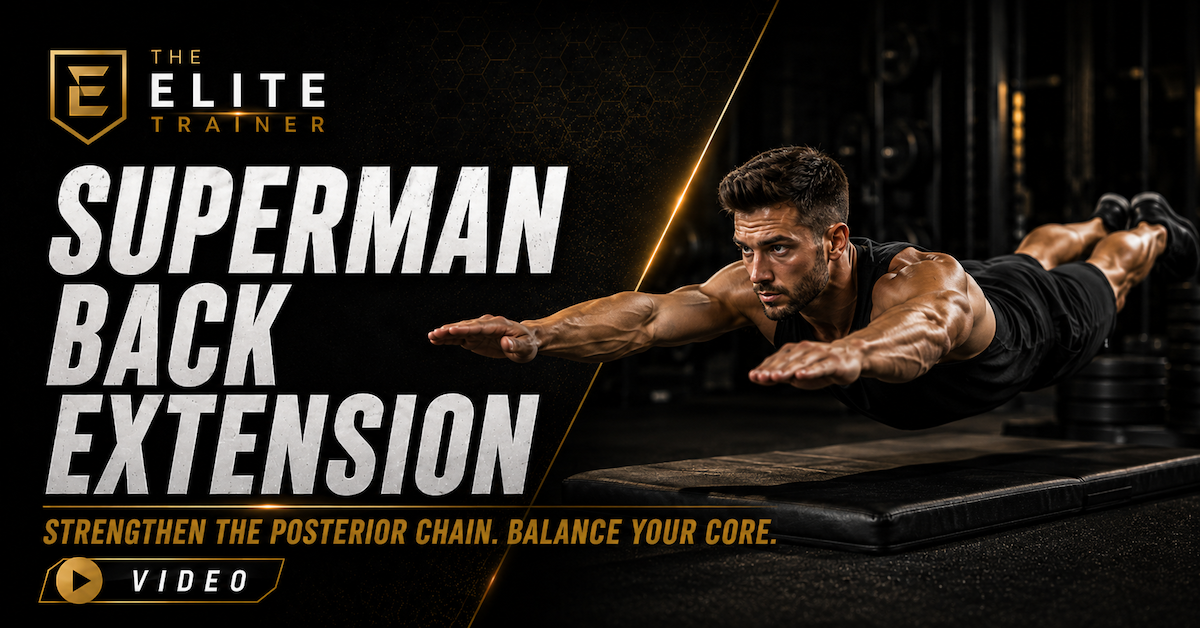
The Superman Back Extension trains the posterior chain as a strong counterbalance to abdominal work. Performed on a hyperextension bench or GHR, it challenges the spinal erectors, glutes, and upper-back control.
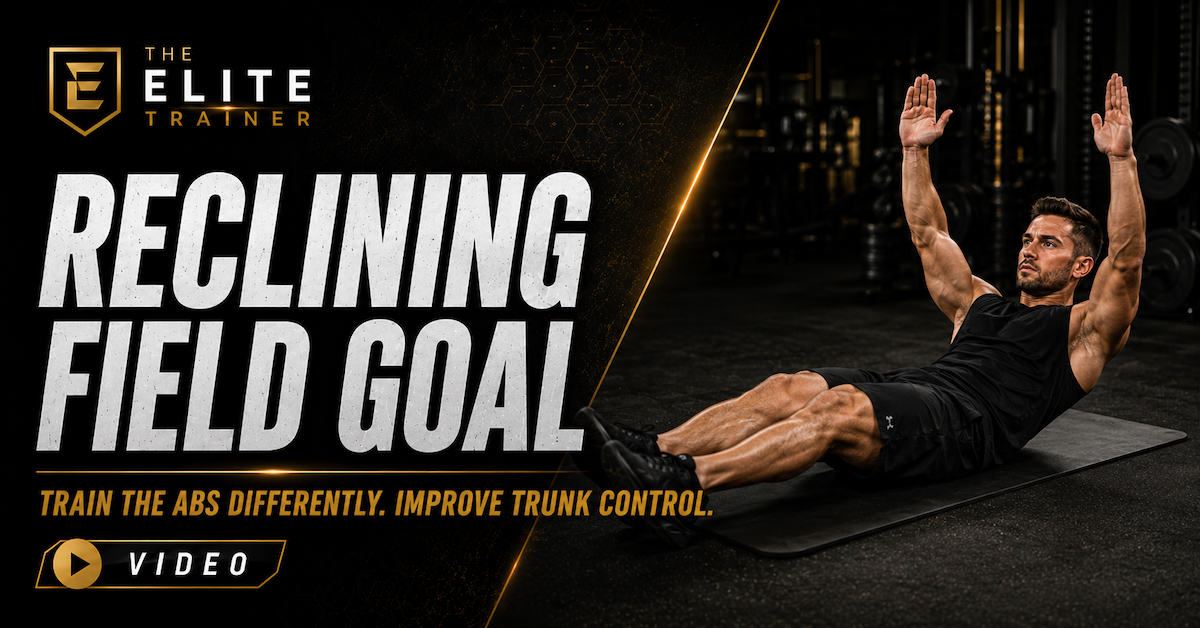
The Reclining Field Goal is a unique abdominal exercise built around contraction, control, and precision rather than endless reps. John Paul introduces the movement through Nelson Montana’s unconventional approach to ab development.