
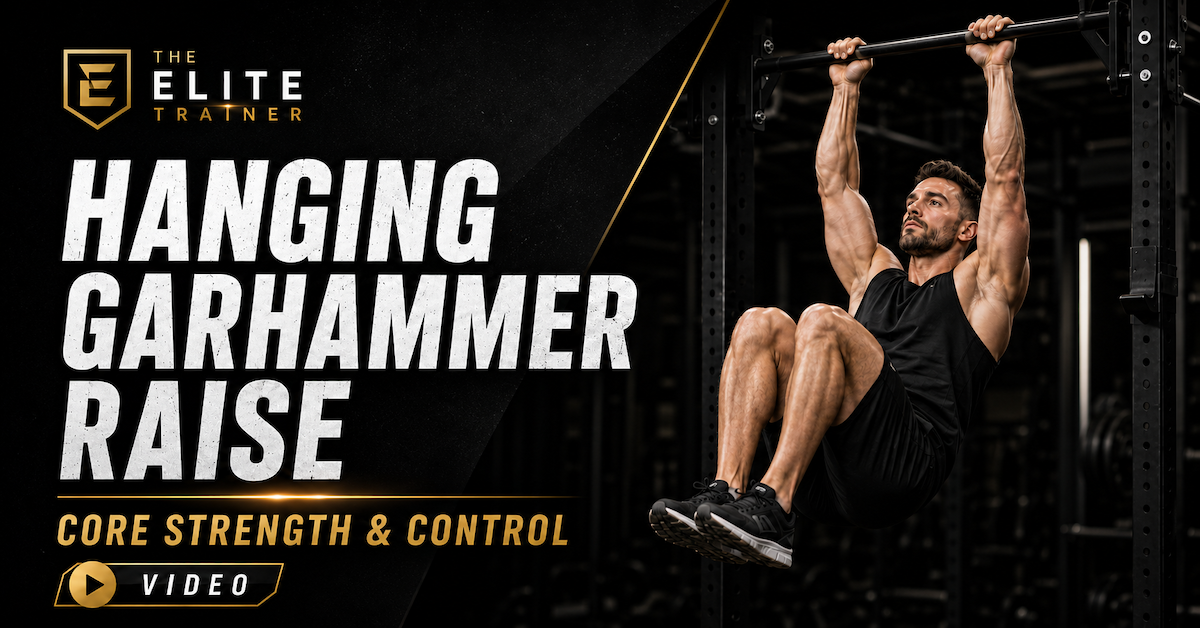
The hanging Garhammer raise puts the lower abs in the spotlight while reducing the hip-flexor takeover common in many hanging leg-raise variations. Start from the floor if needed, then earn the hanging version.
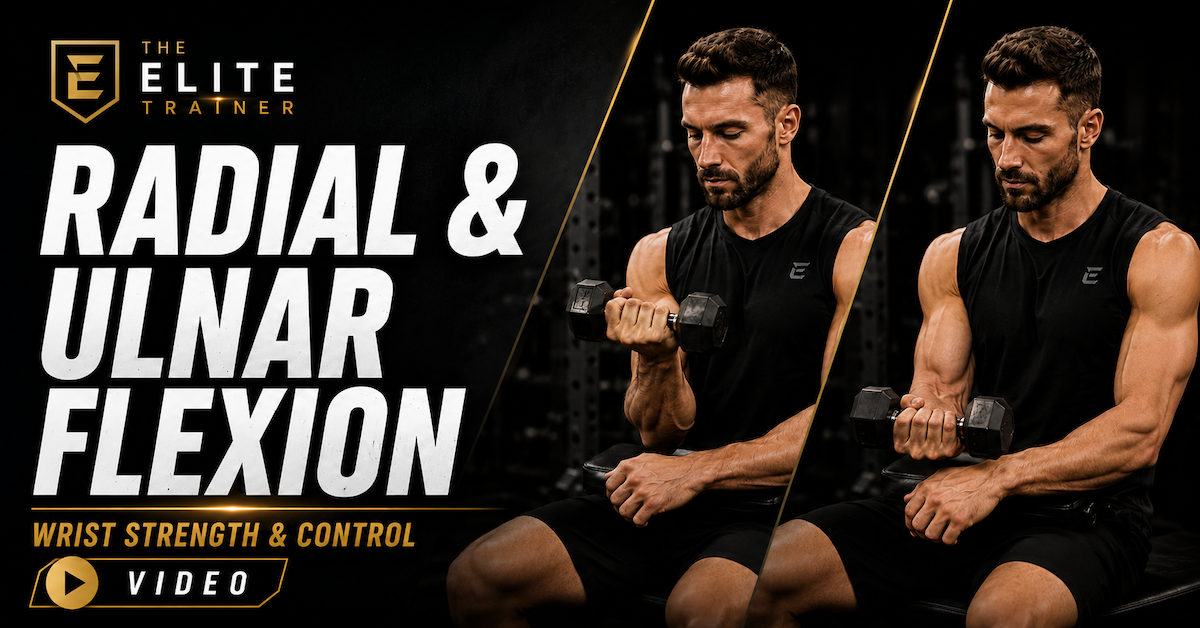
Radial and ulnar flexion are not glamorous, but balanced wrists and forearms need more than curls and extensions. These neglected movement patterns deserve periodic programming.

The tibialis anterior rarely gets the attention it deserves. A simple band pull gives this overlooked shin muscle direct work for better lower-leg balance.
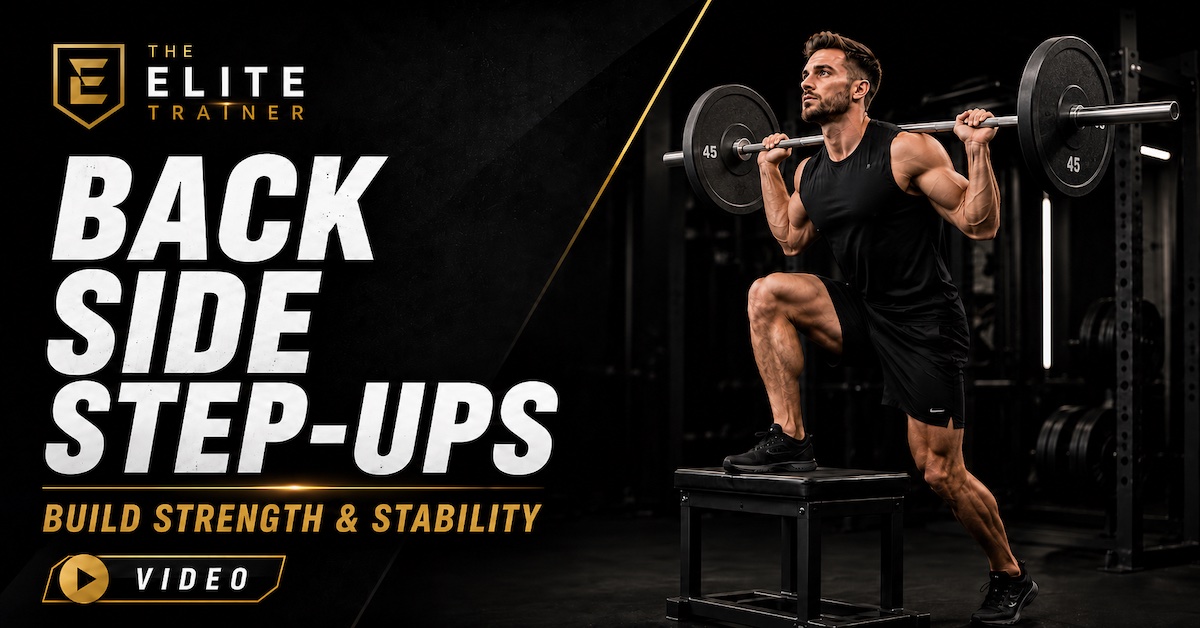
Back side step-ups demand the right step height, calf flexibility, and strict control—no hip drop, no push-off, no cheating. Height comes before load, every time.

The standing one-arm rope French press gives the triceps constant cable tension without the awkward head-dodging of dumbbell variations. Better clearance, better stretch, and cleaner isolation.
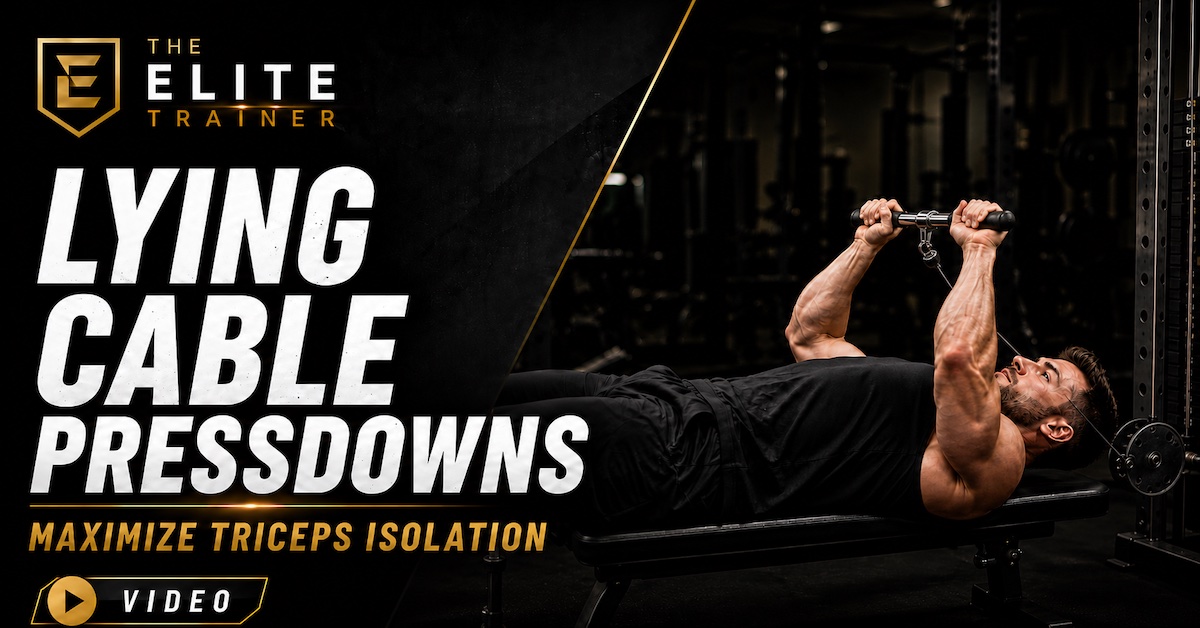
Standing pressdowns often become a full-body heave. Lying cable pressdowns strip out the body English so the triceps have nowhere to hide.

A thick bar, a deficit, and a controlled tempo turn a modest-looking deadlift into a grip-strength nightmare. This variation is built to carry over to stronger pulling without relying on straps.
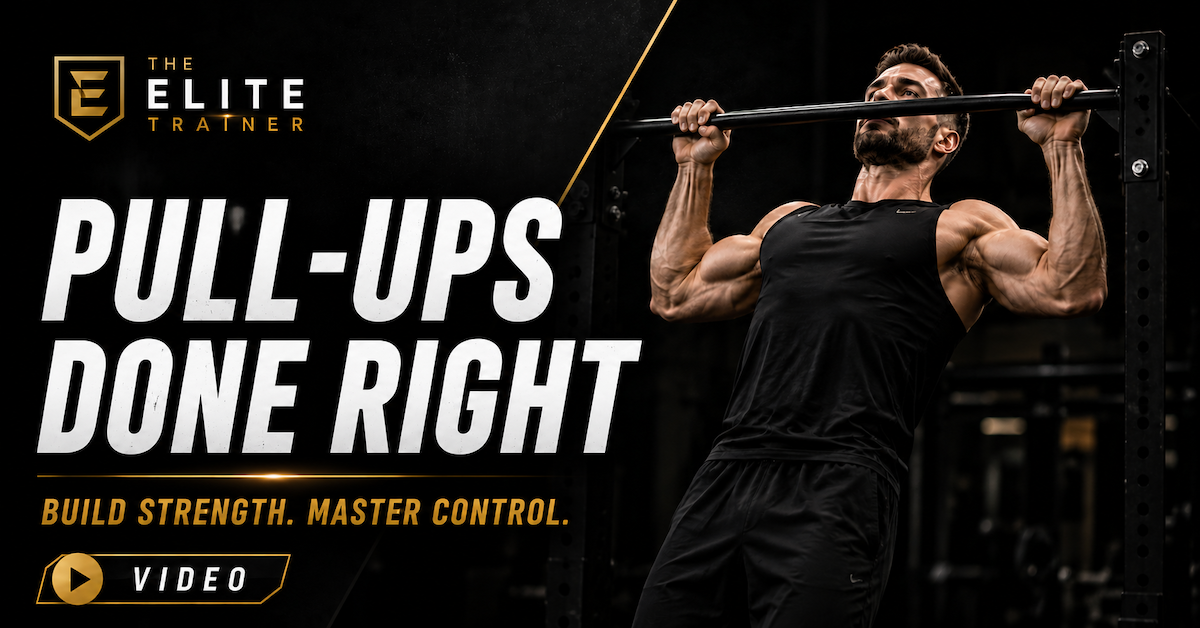
More ugly pull-ups are not better pull-ups. Fewer high-quality reps, smart set structure, and eccentric work can build strength with less wear and tear.
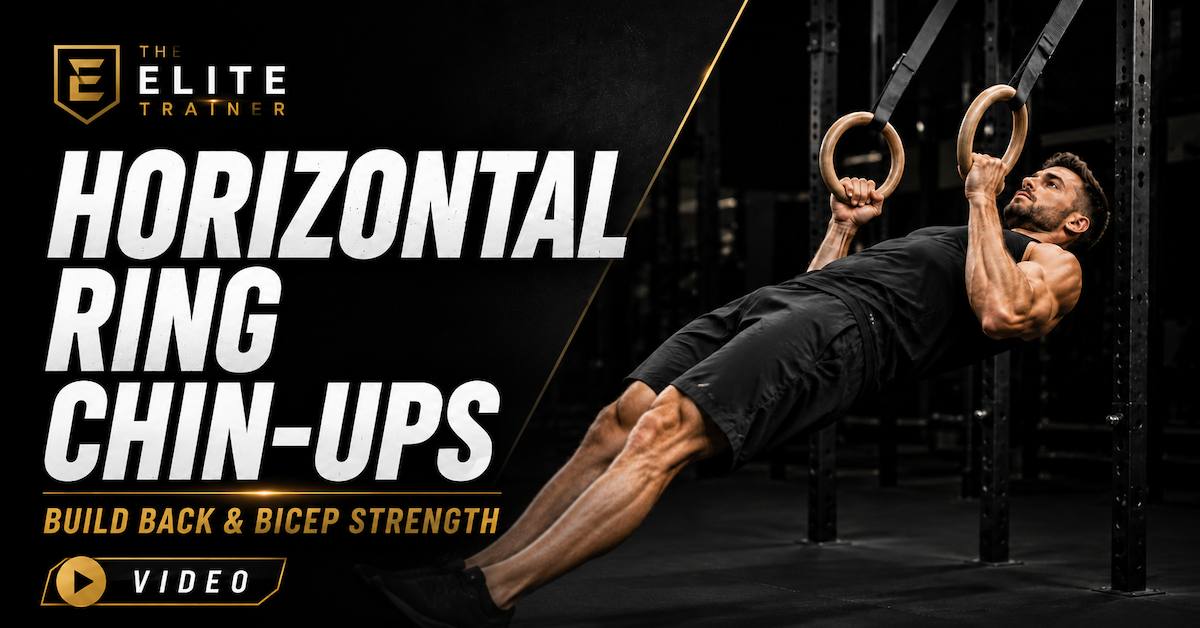
Horizontal ring chin-ups, or inverted rows, reward strict form and punish sloppy range. Brace the core, set the shoulder blades, pause at the top, and progress only when quality stays high.
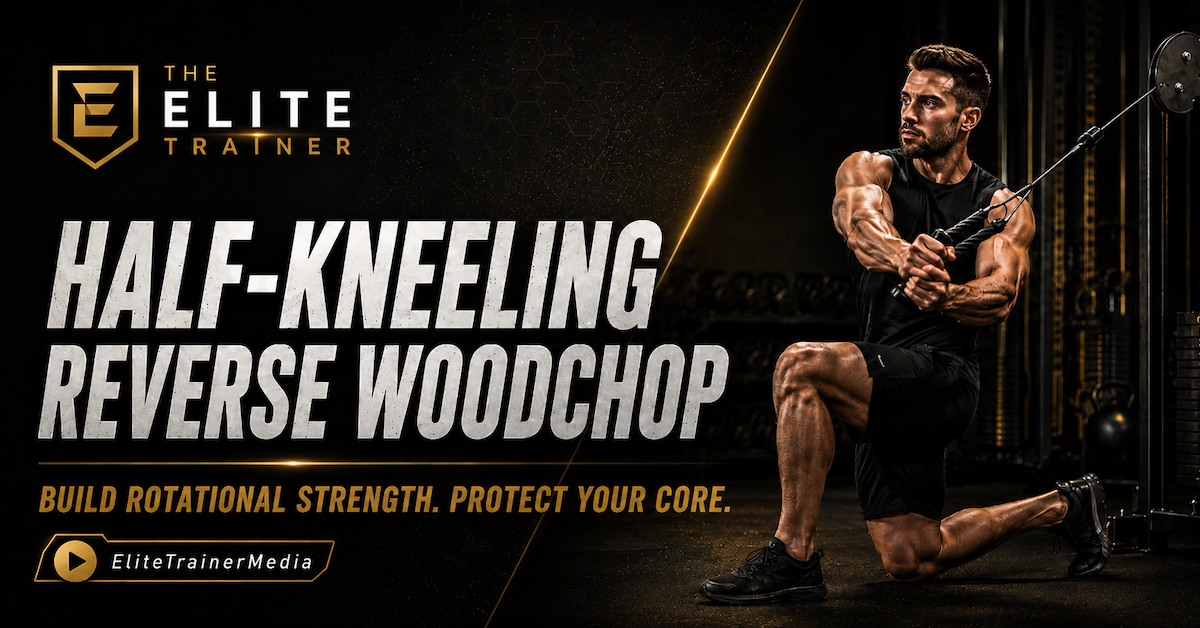
The half-kneeling reverse woodchop trains rotational strength and core stability without turning the lower back into the victim. No cable station? A dumbbell can still get the job done.