
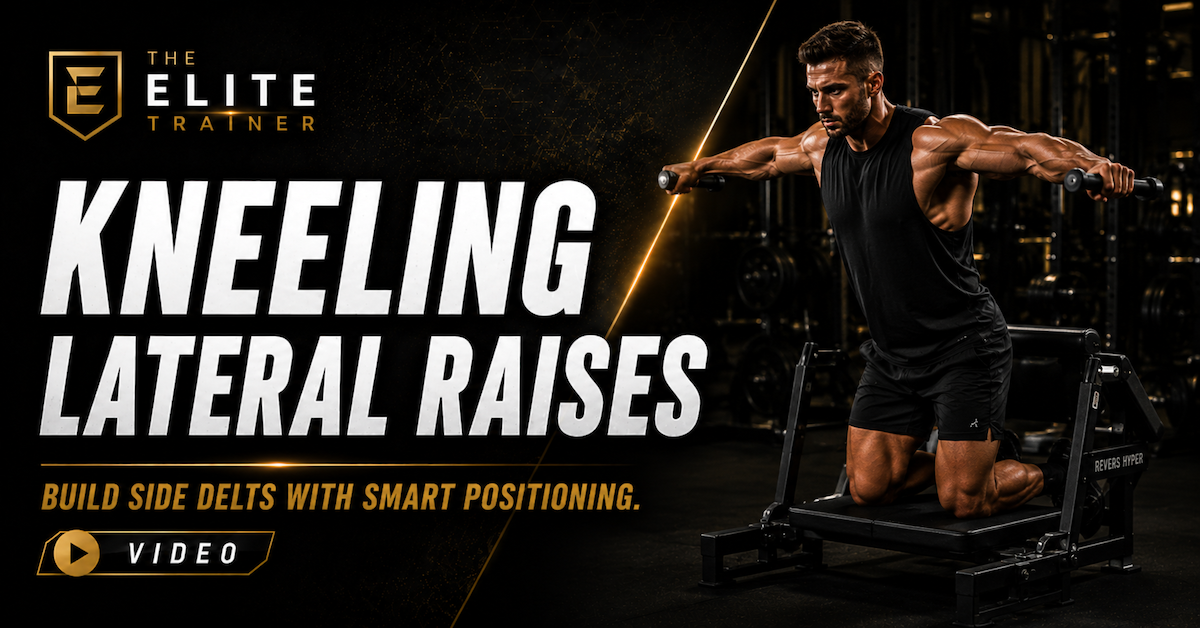
A reverse hyper machine can double as an unexpected tool for lateral raises when the setup is right. This variation gives trainers another way to challenge the delts with a unique line of resistance.
Assessment is valuable, but not every client needs a full testing battery before training begins. John Paul challenges trainers to know when to assess, when to observe, and when experience beats overtesting.

The cable pull-through can be useful for training the hip extensors, but many clients turn it into a back-extension and arm-pulling exercise. This clip shows why coaching the setup matters.
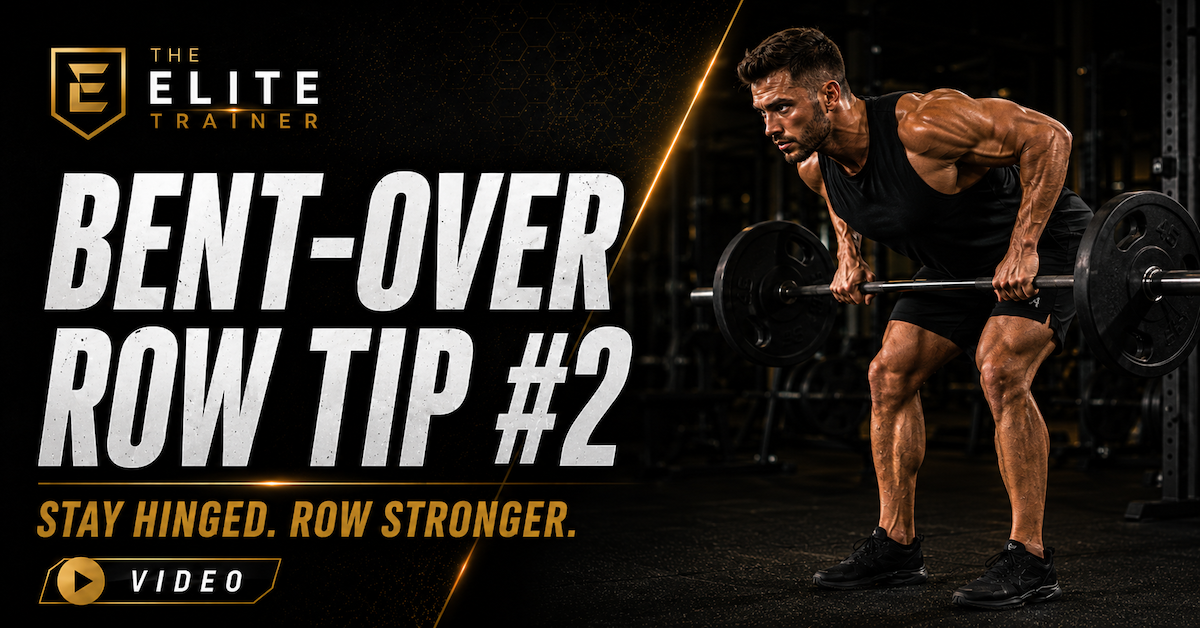
A barbell pad can make forehead-supported bent-over rows more comfortable and consistent. This simple adjustment helps maintain torso position while keeping the stress where it belongs: on the back.
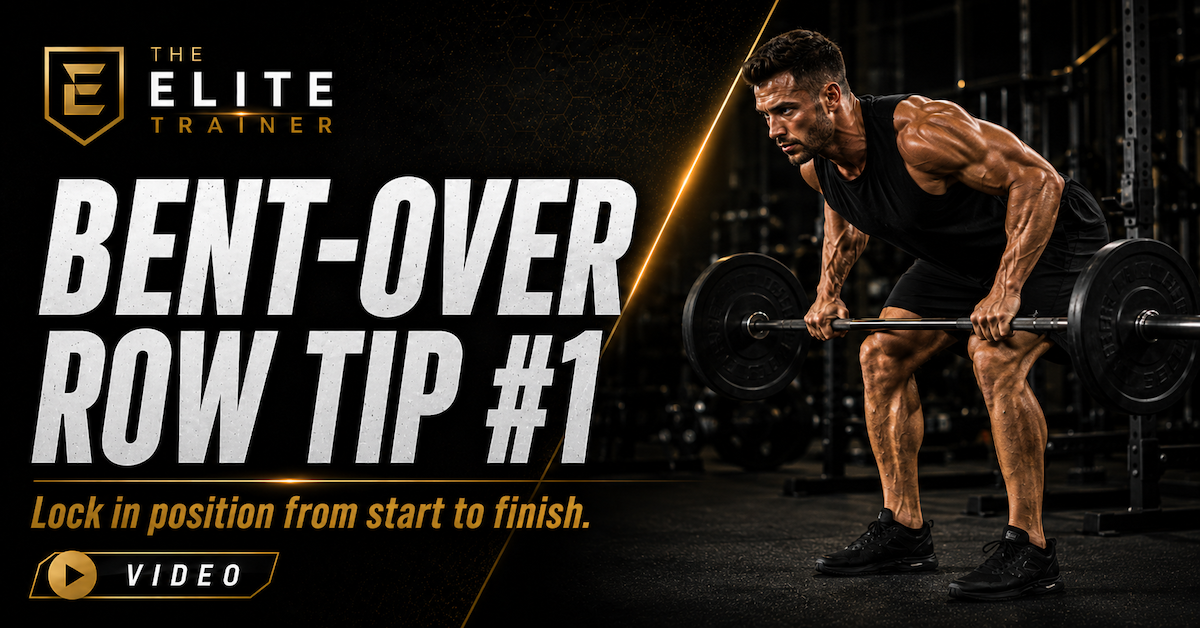
If your bent-over rows turn into upright rows by the end of the set, this setup can help. Resting the forehead against an incline bench keeps the torso angle honest and reduces lower-back stress.
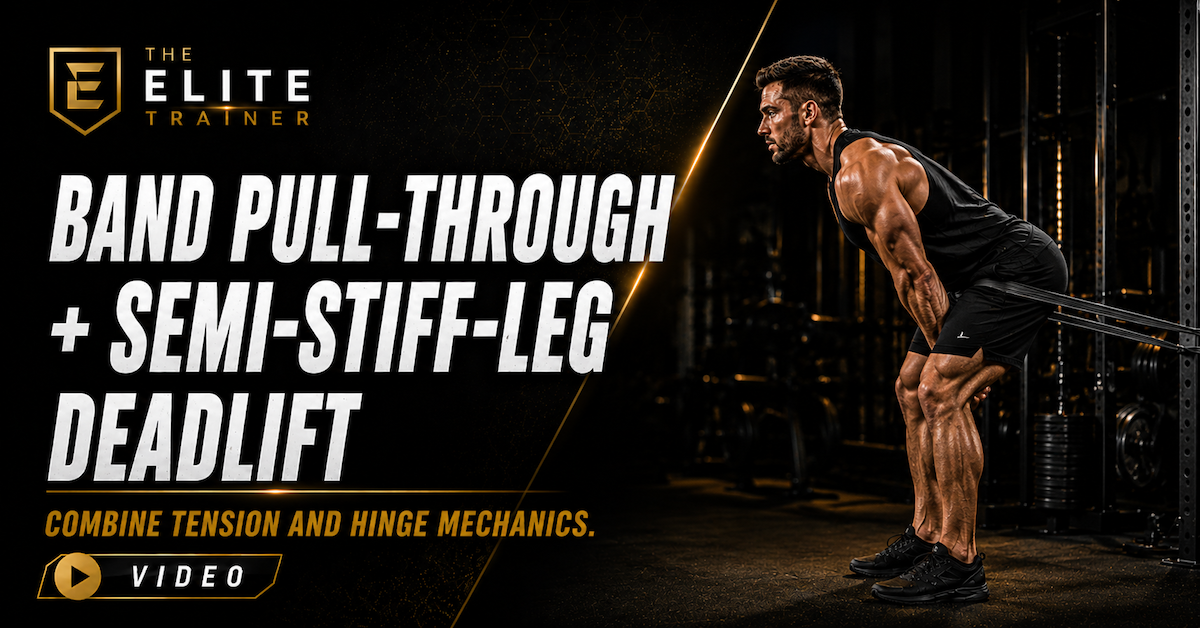
Combining a band pull-through with a semi-stiff-leg deadlift creates a strong posterior-chain sequence. The setup reinforces hip drive first, then adds vertical loading for greater glute and hamstring demand.

The band pull-through helps teach the hip hinge while keeping the focus on the glutes and hamstrings. It is a smart starting point for clients who struggle to perform cable pull-throughs without compensating.
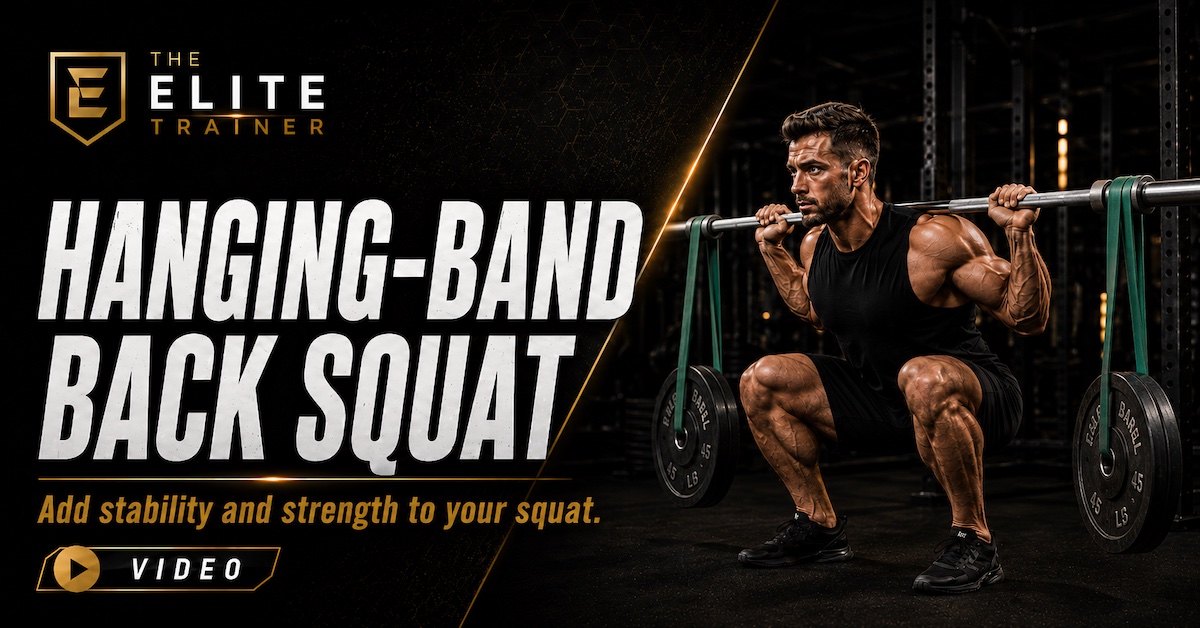
The hanging-band back squat creates an unstable, oscillating load that challenges control, bracing, and stabilizer activation. It is an advanced variation for experienced lifters who want a different squat stimulus.
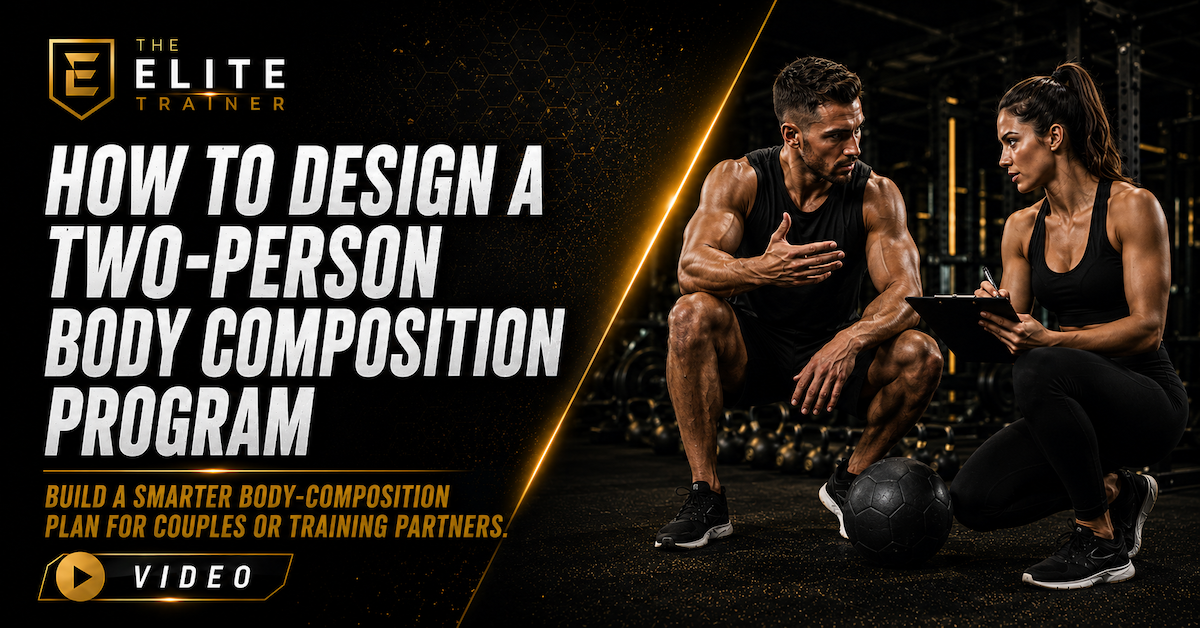
Training two clients at once can be efficient, profitable, and effective when the program is structured properly. John Paul explains how to organize a two-person body composition session without compromising either client.
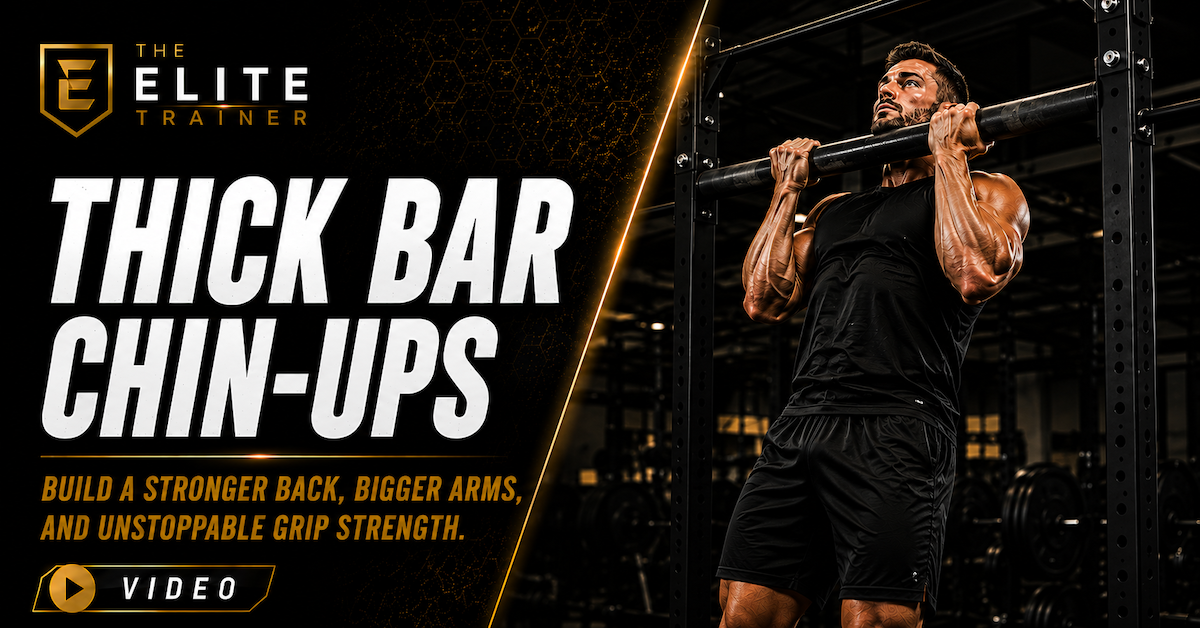
Aiden performs weighted semi-supinated chin-ups on a thick bar as part of karate preparation. The clip highlights grip strength, upper-body pulling power, and the need to use thick-bar work intelligently.