
Injury
Don’t Do Tire Flips
Tire flips may look hardcore, but the risk can outweigh the reward. A closer look at mechanics, biceps injuries, and strongman data explains why this exercise deserves caution.

Tire flips may look hardcore, but the risk can outweigh the reward. A closer look at mechanics, biceps injuries, and strongman data explains why this exercise deserves caution.

Rest and ice are not the only options after an injury. The METH method puts movement first and uses active recovery to support a smarter return to function.

Behind every book is a story, and Invincible is no exception. Get the background on how a seminar on injury prevention became a webinar, then a full book for serious lifters.

Readiness scores are useful, but they don’t replace what the bar tells you. Sometimes the smartest training decision is to shut it down and come back stronger tomorrow.
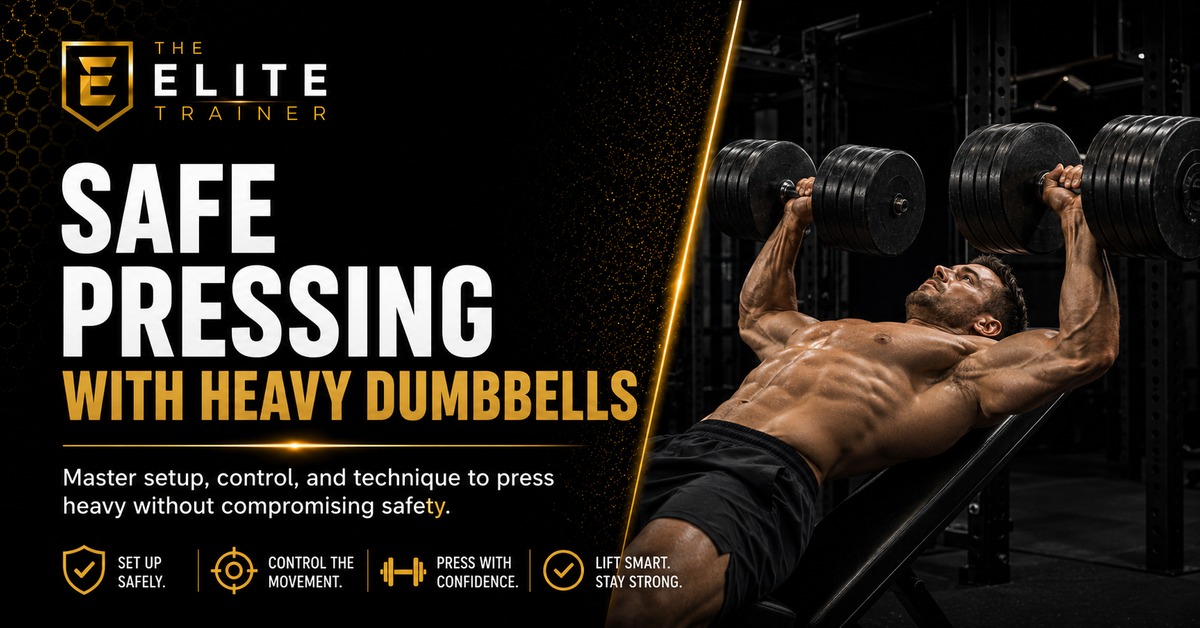
Heavy dumbbell pressing is often most dangerous before and after the set. This video shows how to get into position, finish safely, and avoid the dumbbell-dumping chaos that gets lifters hurt.
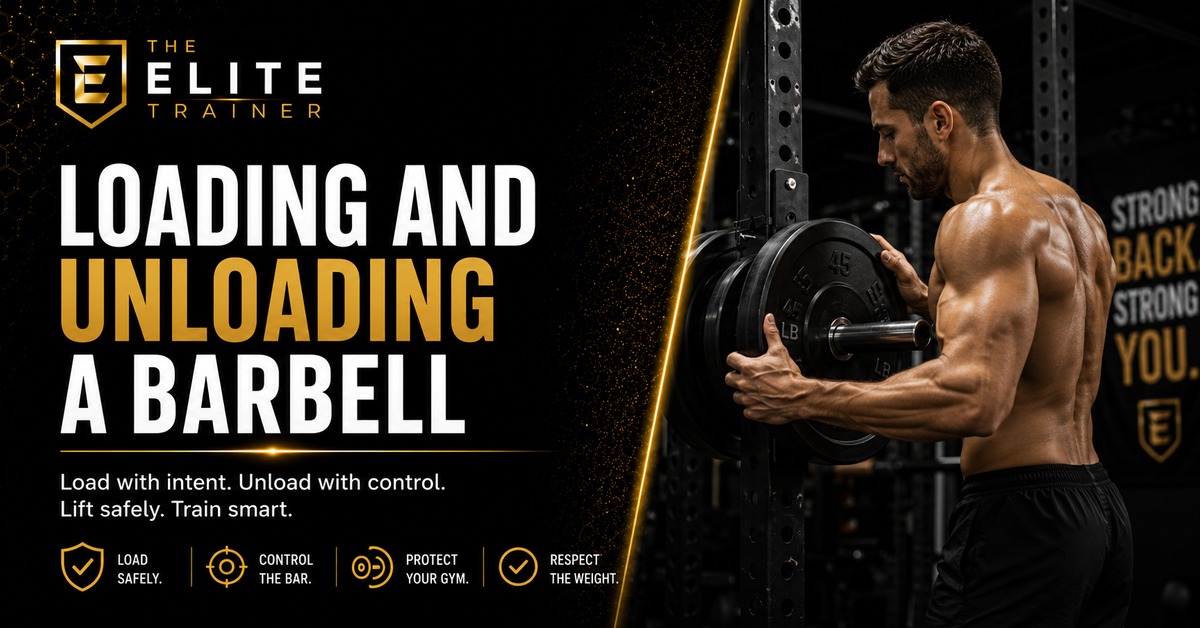
Barbell safety doesn’t end when the set is over. Loading and unloading plates the right way can prevent one of the most common gym injuries.

BPC-157 has developed a strong following among lifters looking for injury-support strategies. Here’s why the peptide keeps coming up in recovery conversations.

Pressing with flared elbows and a pronated grip can beat up the shoulders over time. A neutral-grip setup offers a smarter way to train hard.
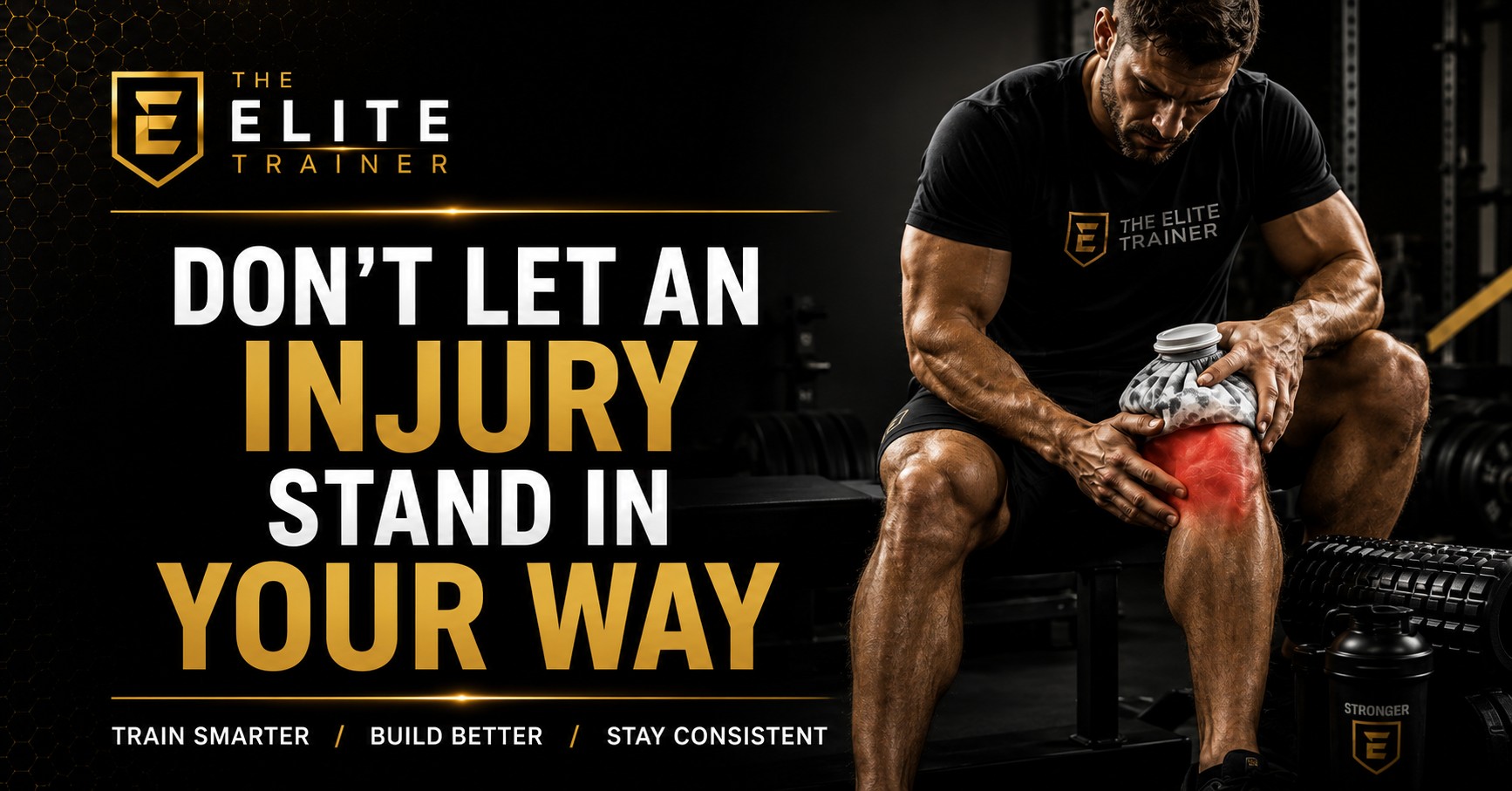
Injury can derail progress, but it doesn’t have to end the story. Jessica’s comeback shows what smart coaching, patience, and hard work can rebuild.
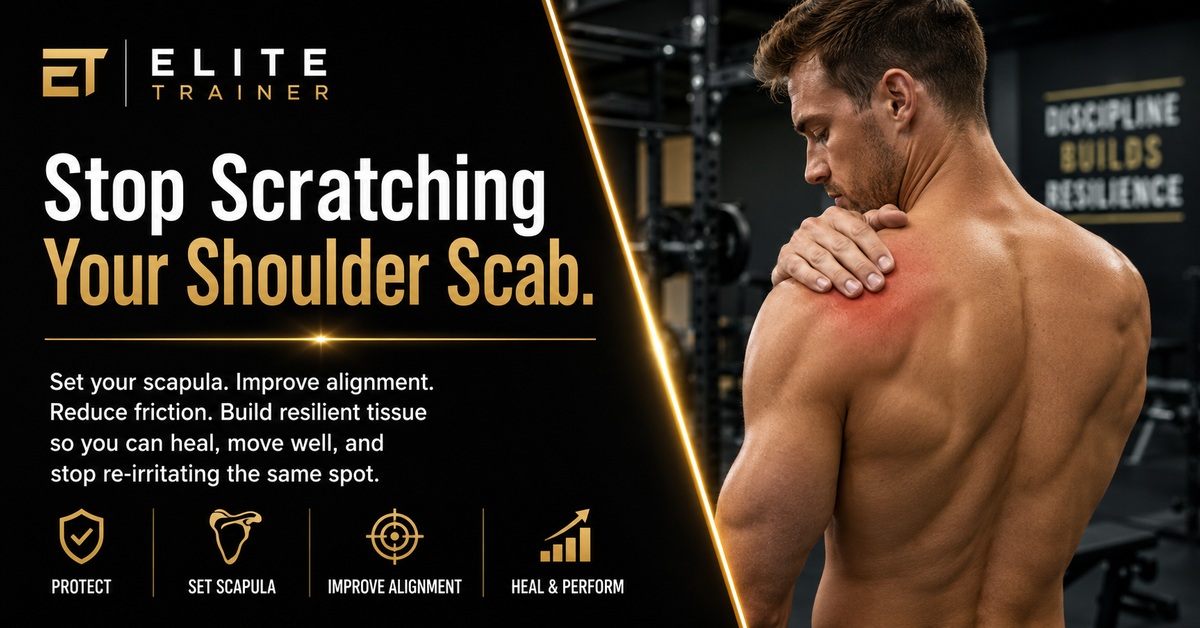
Shoulder irritation often persists because lifters keep provoking the same tissues. Stabilizing the scapula and respecting shoulder position can stop the cycle from repeating.