0 to 10 on Chin-Ups and Dips
Chin-ups and dips are skills that reward real training, not random exercise. Amanda’s progress from zero to ten reps shows what consistent programming, recovery, and patience can do.

Chin-ups and dips are skills that reward real training, not random exercise. Amanda’s progress from zero to ten reps shows what consistent programming, recovery, and patience can do.

Twenty-rep squats hit differently at the end of a hard leg session. Done after the main work, they can build muscle, test mental toughness, and create a massive conditioning effect.

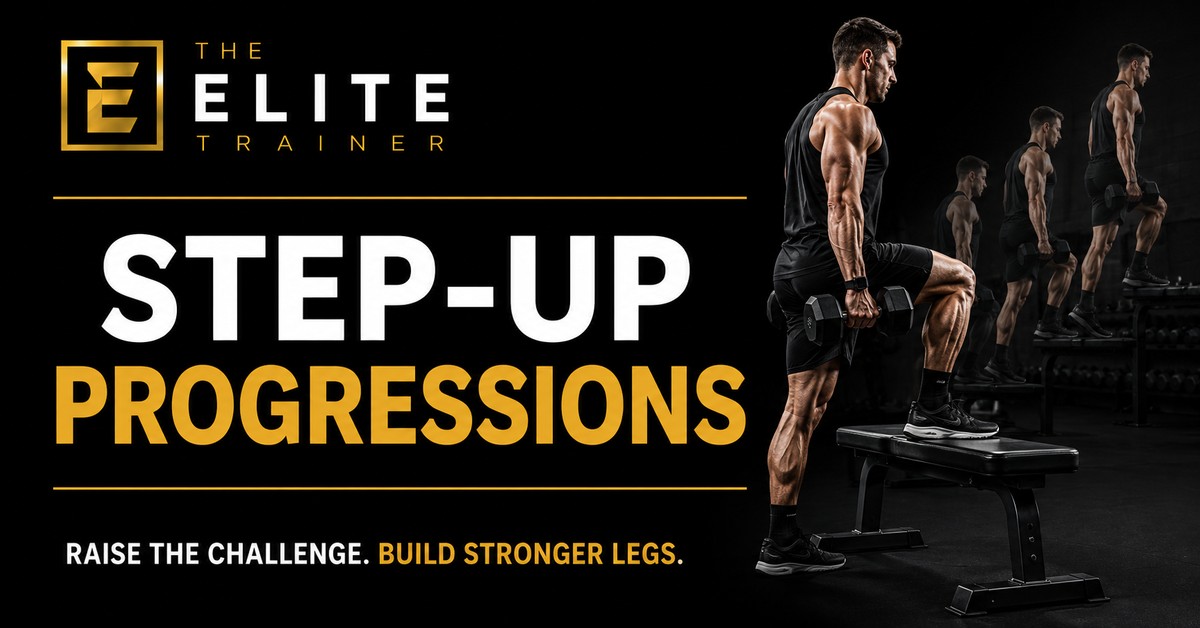
Step-ups are only as useful as the way you progress them. Explore how changing height, direction, loading, and support can turn a simple lower-body exercise into a stronger training tool.

Weighted pull-ups and dips do more than build the upper body. Used with strict form, these big movements force the abs to stabilize hard and can deliver a serious core-training effect.

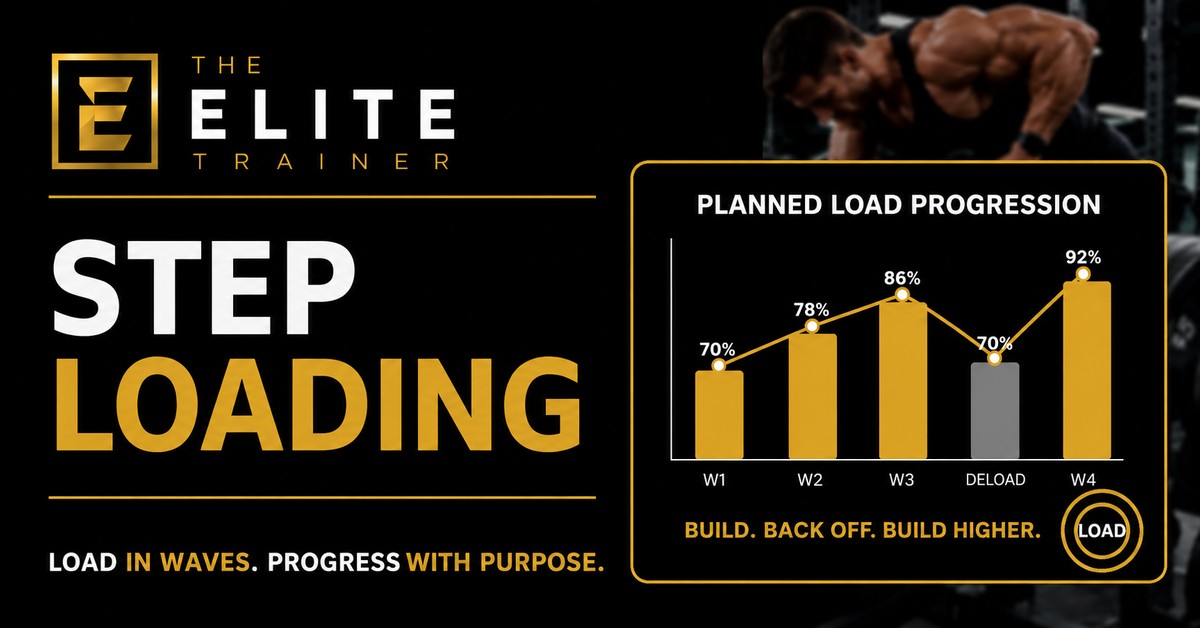
Progression doesn’t need to be complicated. Step loading gives lifters a simple way to add weight over several workouts while keeping reps steady and effort under control.

One-arm chin-up training needs a progression, not wishful thinking. Mixed-grip work and wrist-grip chin-ups give lifters a practical path toward the goal.

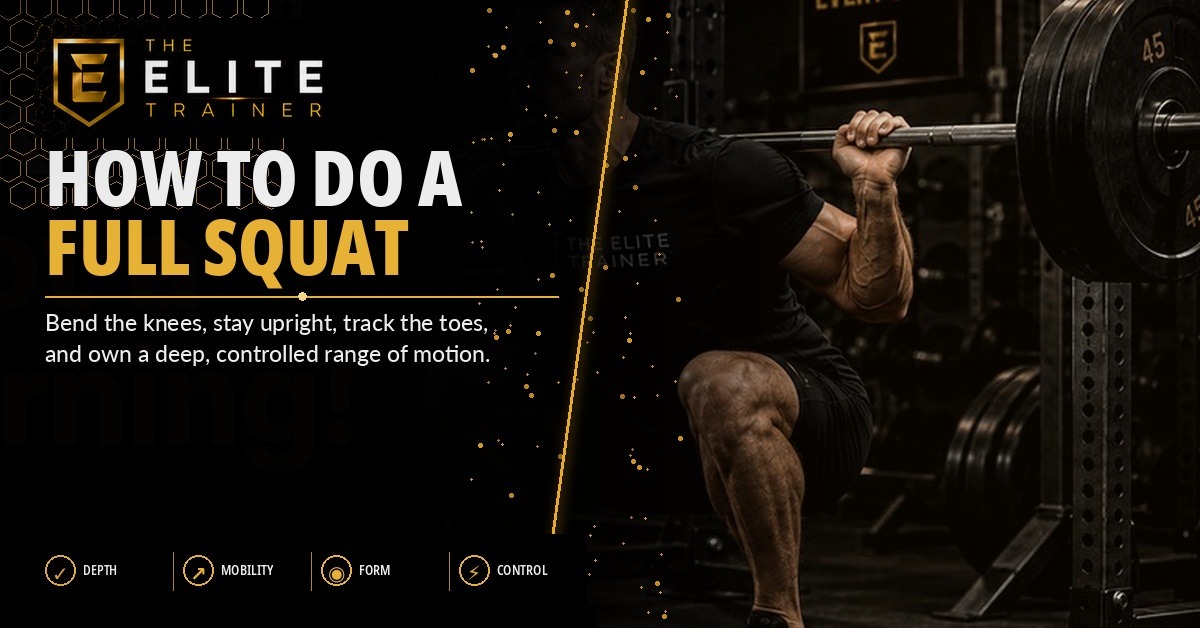
Full squats reward mobility, control, and honest range of motion. Partial reps may move more weight, but depth changes the work being done.

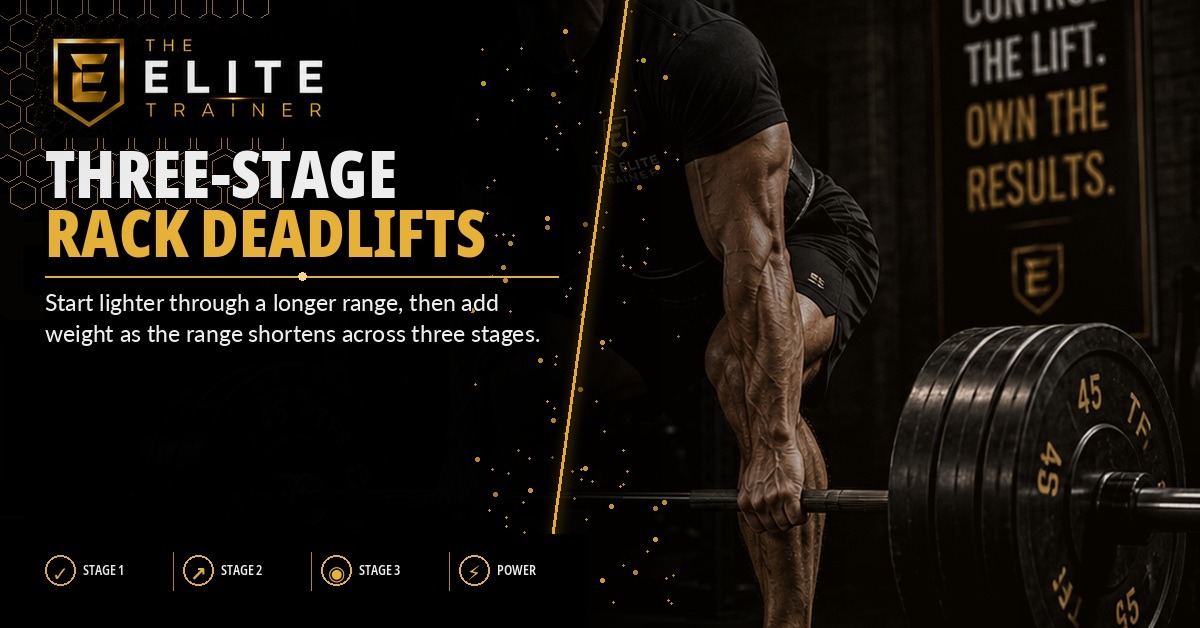
Rack deadlifts don’t have to be one-dimensional. This three-stage sequence manipulates range of motion and loading to build the pull from different positions.

Chin-ups and dips respond to patient progression, smart loading, and consistency. Amanda and Heather’s progress shows how eccentric work can build real upper-body strength.

Happy shoulders are built by respecting the small stabilizers, not just hammering the big lifts. Add the right C-series work and your upper body training becomes more complete.