Training
Go the Distance with Lower Body Training
Heavier isn’t the only way to increase work. Expanding range of motion in squats and deadlifts can add distance, challenge, and long-term strength potential.

Heavier isn’t the only way to increase work. Expanding range of motion in squats and deadlifts can add distance, challenge, and long-term strength potential.
The Goerner deadlift looks unimpressive until you try it. Lifting with limited fingers turns light weight into a serious grip-strength challenge.
Supersets let you do more quality work in less time. Pairing movements intelligently can support fat loss, hypertrophy, and a tougher conditioning effect.
Calves get some attention, but the shins are often ignored. Pairing calf work with tibialis anterior training helps build a more balanced lower leg.
Unstable loading can turn familiar lifts into a new challenge. The hanging-band method adds control, tension, and a healthy dose of chaos to strength training.

Isometronics are brutal, effective, and usually limited by rack setup. This variation offers a workaround when you don’t have the ideal pin configuration.
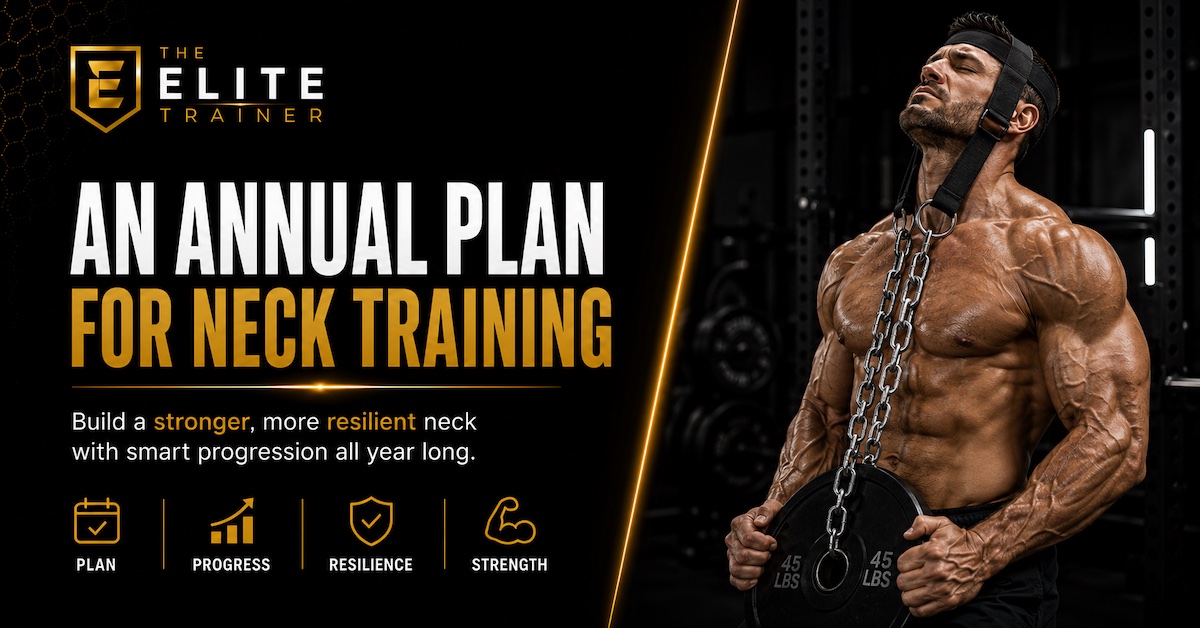
Neck training deserves more than an afterthought. Rotate eccentric, isometric, and dynamic methods through the year to build a stronger weak link.
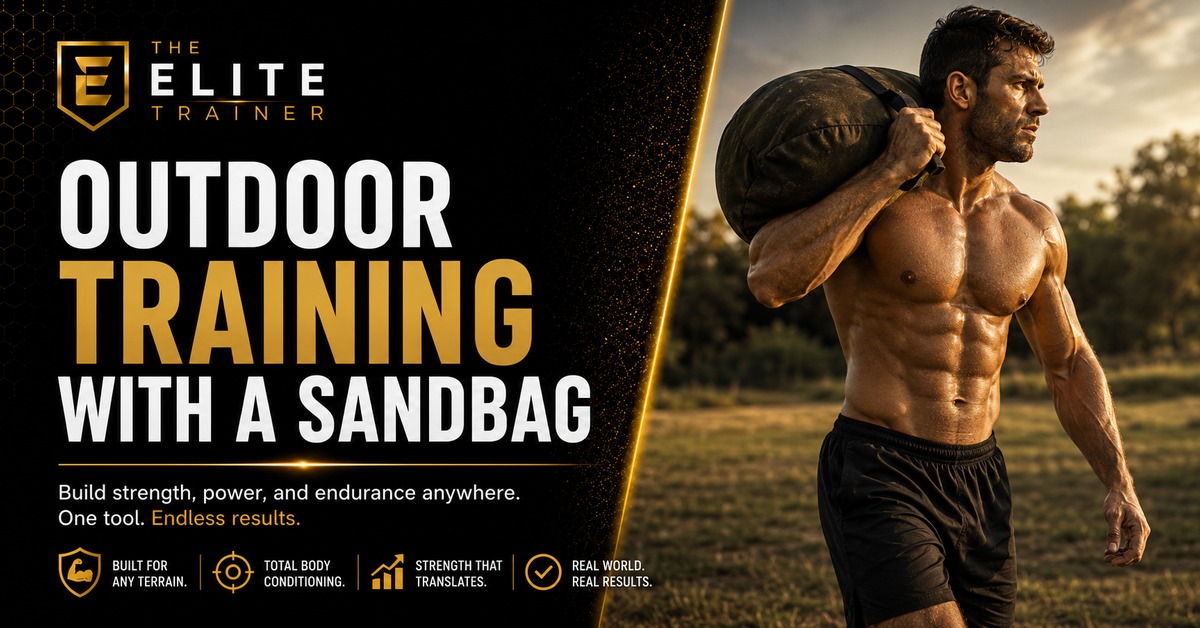
Sandbags turn outdoor training into a full-body challenge for strength, stability, grip, and conditioning. The equipment is simple, but the training effect is anything but.

Pairing lower-body and upper-body movements with short rest periods can create a powerful body-composition workout that builds muscle while driving up training density.

Deloading does not mean skipping the warm-up. When intensity stays high and work sets drop, smart ramp-up sets become even more important.