
Training
Take Advantage of the COVID-19 Shutdown
Unexpected downtime can become a serious training opportunity when food, sleep, and recovery finally line up. Triple-split training turns extra time into muscle-building momentum.

Unexpected downtime can become a serious training opportunity when food, sleep, and recovery finally line up. Triple-split training turns extra time into muscle-building momentum.

Quality reps beat junk volume. Controlled tempo, full range of motion, and deliberate execution can make lighter loads brutally effective.

Build your push-up numbers by manipulating rest intervals instead of grinding to failure. The method is simple, measurable, and perfect for home training.

Training couples can work when the program respects two different bodies, histories, and goals. Smart modifications let clients train together without forcing identical workouts.
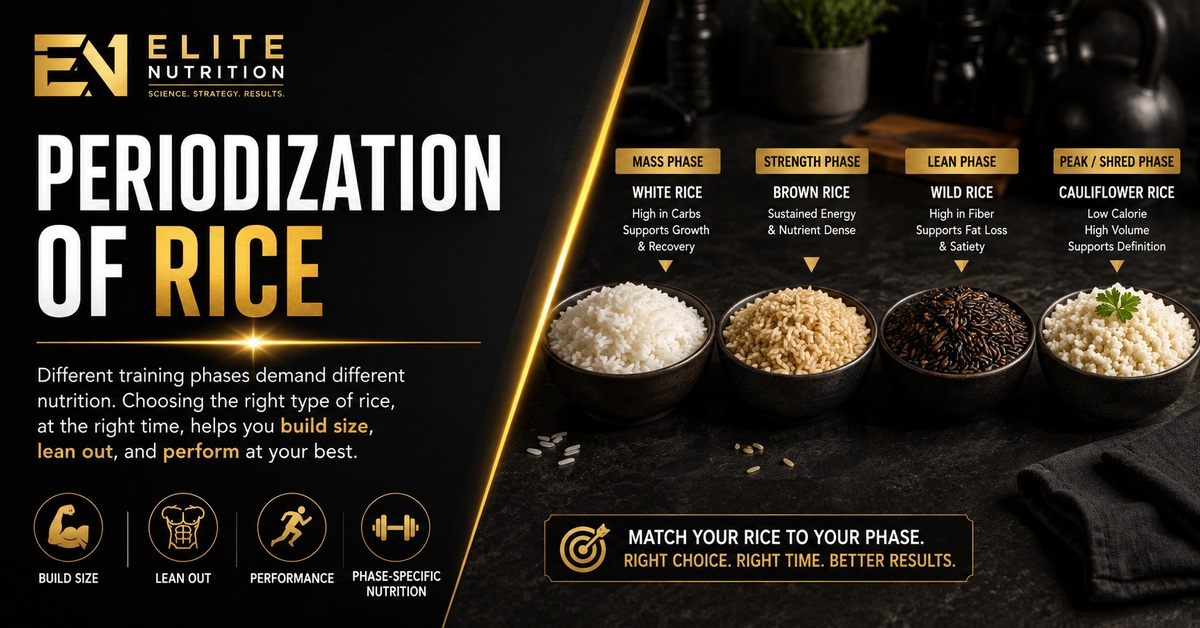
Nutrition and training can follow the seasons. White rice, wild rice, cauliflower rice, mass phases, and fat-loss phases all fit into a periodized approach.

Reciprocity training pairs opposite-limb movements to challenge coordination and neural drive. Revisit an old Poliquin-inspired method with a more practical eye.

Cardio and lifting can work together, but timing matters. Match aerobic work to the goal—fat loss, muscle gain, or restoration—and concurrent training becomes a tool instead of a conflict.

A client-strength story built around push-ups, progressive practice, and the power of small improvements repeated over time.

A useful reminder that recovery between sets is not dead time—it is a chance to stay warm, stay focused, and keep performance moving.

A practical revisit of Olympic lifting for athletes, separating the sport of weightlifting from what athletes actually need for performance.