
Not every great invention in the iron game involves sophisticated engineering, cutting-edge technology or an elaborate piece of machinery. Sometimes, all it takes is a little piece of metal and a magnet. In my opinion, PlateMate remains one of the best little inventions in the history of strength training.
For those unfamiliar with PlateMate, these small magnetic weights attach to compatible dumbbells, weight plates and machine weight stacks, allowing you to increase resistance in smaller increments than conventional gym equipment typically permits. It’s a simple concept known as microloading, and its value becomes apparent when you do the math.
When Five Pounds Is Too Much
Going from a 15-pound dumbbell to a 20-pound dumbbell represents a 33% increase in resistance. Going from 30 to 35 pounds represents roughly a 17% increase. Same five pounds, very different challenge.
This is particularly relevant for beginners, individuals with lower levels of absolute strength, and experienced lifters who are approaching their strength potential on certain exercises. On movements such as lateral raises, arm curls and external rotations, five pounds can be the difference between a beautifully executed set and an ugly one.
Attach a 1.25-pound PlateMate to each end of a compatible 15-pound dumbbell, however, and you now have a 17.5-pound dumbbell. Suddenly, that next step becomes much more manageable.
As I discussed in Keeping Up with Current Research: November 2026, a recent study published in the Journal of Strength and Conditioning Research found that progressively increasing resistance produced greater muscle growth than maintaining a fixed load and repetition count over eight weeks of arm training in previously untrained women.
Progressive overload doesn’t necessarily mean adding weight every workout, nor does it mean sacrificing technique to accommodate the next dumbbell on the rack. Sometimes the smallest increase is exactly what you need to keep moving forward.
A Little Off Balance
What makes PlateMate particularly interesting is that it can do more than simply increase resistance. By attaching one to only one end of a dumbbell and manipulating your grip, you can deliberately shift the centre of mass and change the mechanical demands of an exercise.
Take the seated twisting dumbbell curl, for example. By positioning your hand toward the outer plate and adding a PlateMate to the opposite end, you increase the resistance to forearm supination as you curl the weight. A similar principle can be applied in reverse during a lying twisting dumbbell triceps extension to challenge forearm pronation.
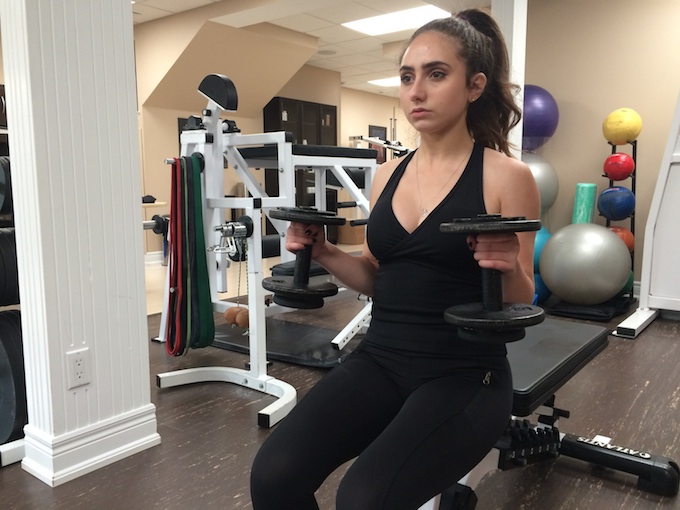
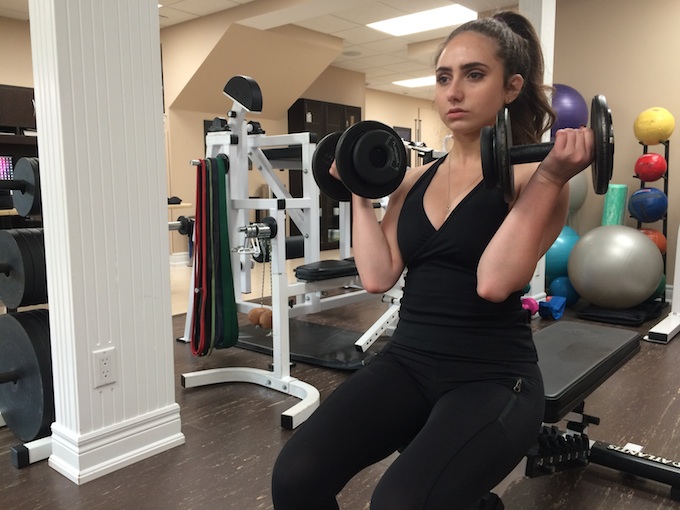
These are two of my favourite applications of this loading technique, which I covered years ago in One PlateMate, an Offset Grip, and Two Arm Exercises.
You can also get creative with shoulder training. On a dumbbell lateral raise, position your thumb and index finger against the front plate and attach a PlateMate to the rear plate, closest to your little finger. The resulting imbalance challenges you to maintain the orientation of the dumbbell and offers an interesting way to emphasize the rear deltoid without deliberately tipping the weight forward as you raise it. For more on this technique, see Offset-Grip Dumbbell Lateral Raise.

Small Investment, Big Returns
PlateMate is equally useful on compatible selectorized machines, where the increments between weight-stack settings can be frustratingly large. Just make sure you select the appropriate PlateMate model for your equipment and that it attaches securely.
In an industry constantly trying to reinvent the wheel, there’s something refreshing about a simple, relatively inexpensive training tool that continues to solve a very real problem. You don’t always need new exercises, a new program or more sophisticated equipment to make progress. Sometimes, you just need a little more weight.
After all these years, PlateMate is still a pretty great mate to have in the gym.

AbMat vs. Swiss Ball Crunch: Which One Builds Better Abs?
AbMat or Swiss ball? Both allow a fuller abdominal crunch than the floor, but stability, ball placement, loading and technique can dramatically change the exercise. Here is how to use each one properly.
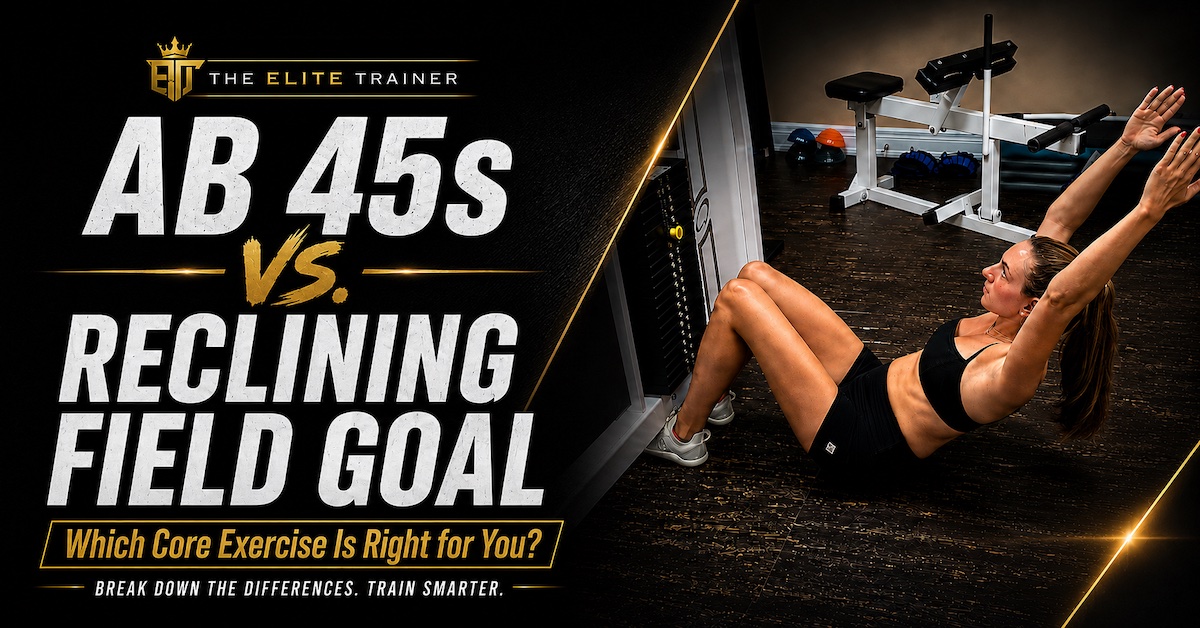
Ab 45s vs. the Reclining Field Goal: Which Core Exercise Is Right for You?
Ab 45s and the Reclining Field Goal may look similar, but they create very different core-training demands. Discover which exercise places greater emphasis on the hip flexors, which is easier to scale, and how to choose the right one for your goals.
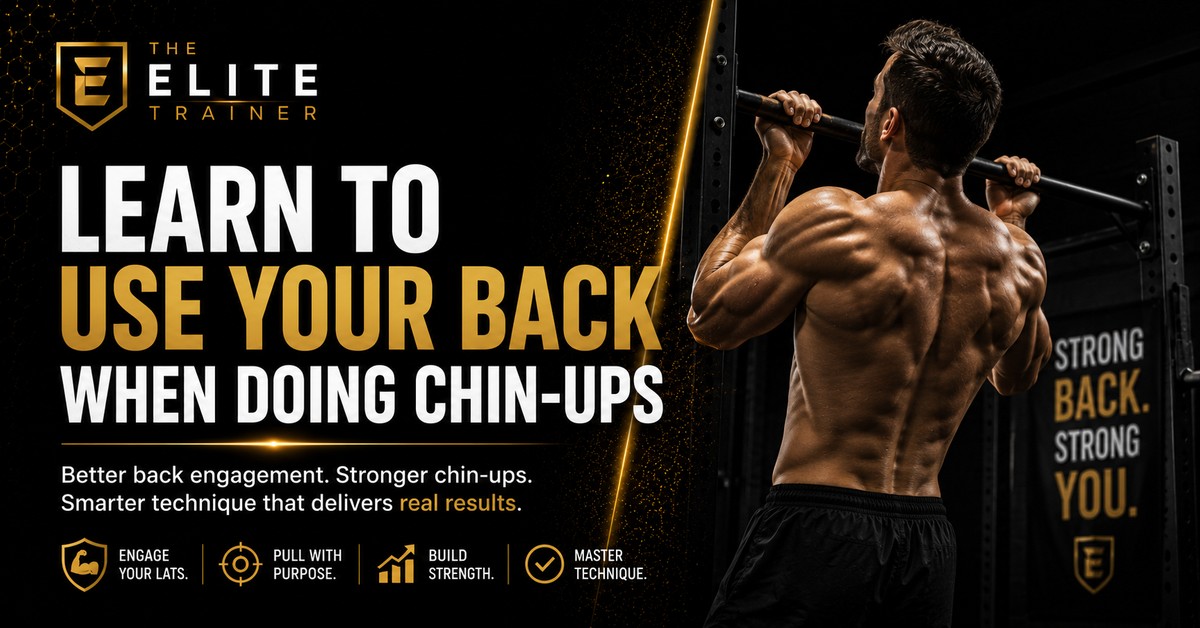
Learn to Use Your Back When Doing Chin-Ups
Chin-ups are a back exercise first, but many lifters turn them into an arm-dominant grind. Better intent, setup, and execution help the lats do the job they are built to do.