
Load, healing, collagen, and hormonal balance all matter when training connective tissue. This deeper dive looks at tendon science through the lens of performance and long-term durability.
Tendon recovery is more complex than rest, ice, or generic mobility. Hormones, loading, aging, and biomechanics all shape how connective tissue adapts over time.
Tendons need their own training strategy, not just leftover attention after the main workout. A focused 10-minute protocol can help build resilient tissue and support long-term performance.

Abdominal hollowing may look neat in theory, but heavy lifting needs real bracing. Learn why a stronger core strategy can improve stability when the weight gets serious.

Want to boost flexibility, prevent injuries, and optimize performance? Stretching is an essential tool—but only if done correctly. Follow these key do’s and don’ts to stretch smarter, not harder.
Heavy lifting demands a core that can brace, stabilize, and protect the spine. The McGill-inspired warm-up brings together proven trunk exercises to prepare the body for serious training.
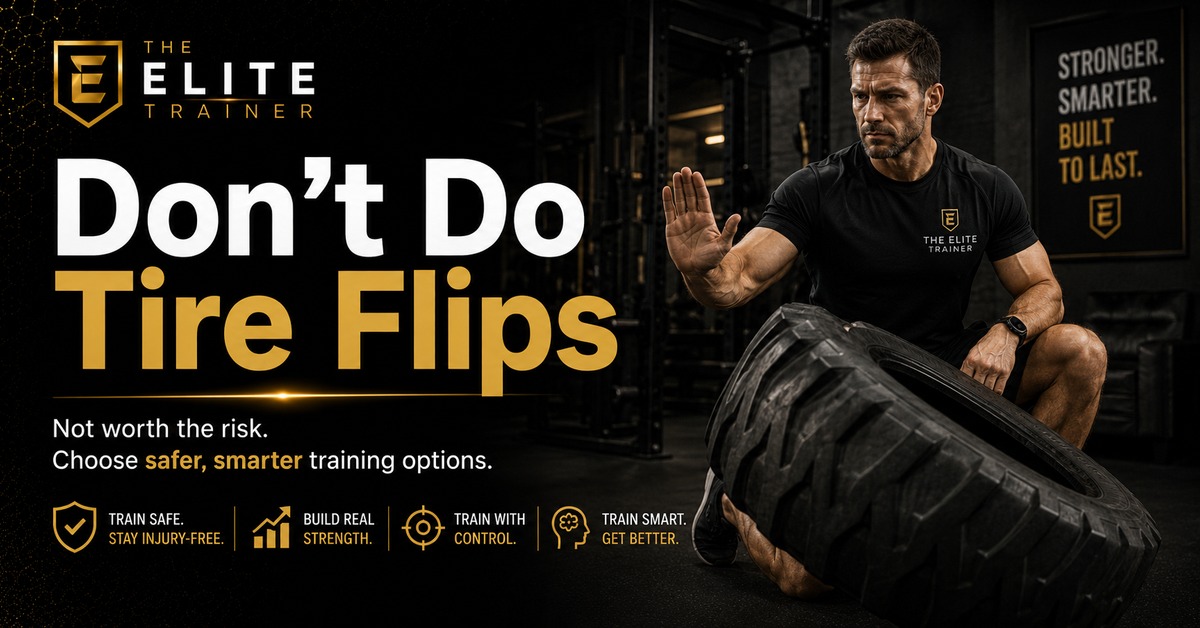
Tire flips may look hardcore, but the risk can outweigh the reward. A closer look at mechanics, biceps injuries, and strongman data explains why this exercise deserves caution.

Rest and ice are not the only options after an injury. The METH method puts movement first and uses active recovery to support a smarter return to function.
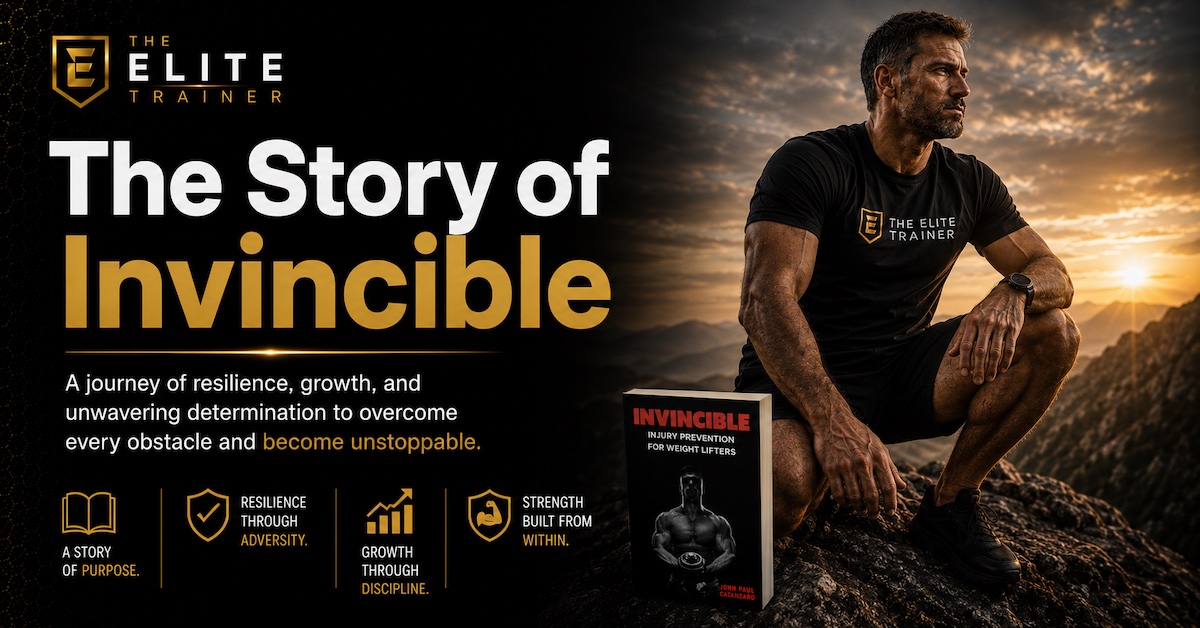
Behind every book is a story, and Invincible is no exception. Get the background on how a seminar on injury prevention became a webinar, then a full book for serious lifters.

Readiness scores are useful, but they don’t replace what the bar tells you. Sometimes the smartest training decision is to shut it down and come back stronger tomorrow.